



The SDGs are off track: Investing in parental well-being could accelerate progress
More than a decade on from the UN’s introduction of the Sustainable Development Goals, its vision still hasn’t been fully realized. The forward-looking …
Read by thousands of impact pros daily

TGIF, Agents of Impact! You deserve a break, and so do we. ImpactAlpha will be on our summer publishing hiatus to let the …
🎧 This Week in Impact. Host Brian Walsh takes up ImpactAlpha’s top stories with editor David Bank. Up this week: How Temasek, Singapore's $400 billion state-owned investment fund, positions itself as a generational investor; a look at three impact investing “beach reads,” out this week; and sustainable farm and timberland manager Alder Point lands $4 million from the Rockefeller Foundation to ramp up land acquisitions in rural communities.
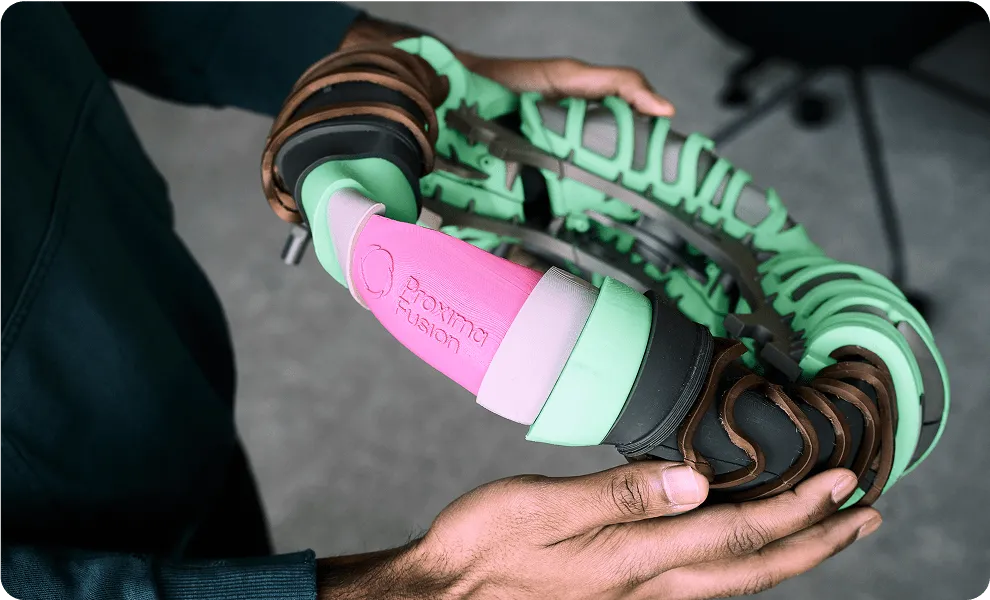
Race to commercialize fusion power goes thermonuclear. Add tokamak vs. stellarator to the list of legendary technology battles like VHS vs. Betamax, Windows vs. Mac, and Anthropic vs. OpenAI. The competition among startups racing to commercialize fusion power is heating up like the plasma in the magnetic fields of a fusion reactor. Those magnets can be donut-shaped, as in tokamaks, or twisted, in the case of stellarators. This month, Munich-based Proxima Fusion announced it had raised $468 million from investors including Google and RWE, the German utility, at a valuation of $2.7 billion, for its stellarator approach. Next week, Massachusetts-based Commonwealth Fusion Systems is expected to announce major new financing to build out its tokamak-based fusion reactor. Commonwealth has already raised nearly $3 billion, including an $863 million round last year, and has a valuation estimated at between $8 billion and $12.5 billion. Google is an investor in Commonwealth as well.
Djalal Khimdjee, formerly with Proparco, will take the helm of Africa50's Principal Investment Fund in August… Reinvestment Fund appointed Frank Fernandez, formerly with the Community Foundation for Greater Atlanta, as president and CEO, starting in September. He succeeds Donald Hinkle-Brown, who is launching a new consulting firm called Emergent Impacts.
Built to help you raise, allocate, and co-invest with confidence.
Find the alpha in impact.
Provocative opinions and insightful analysis from the community

More than a decade on from the UN’s introduction of the Sustainable Development Goals, its vision still hasn’t been fully realized. The forward-looking …


Preliminary figures shared by the McKinsey Health Institute at the recent Brain Economy Summit in Houston value collective US brain capital investments at …


The Principles for Responsible Investment’s 2026 Transparency Reporting window closes July 29. As signatories ourselves and consultants to private fund managers across the …


When I first started working in venture capital in India, what stood out to me was how differently the market functioned once I …


In May 2025, in Mokwa, Niger State, a devastating flood swept through homes in the early hours of the morning. Over 500 people …
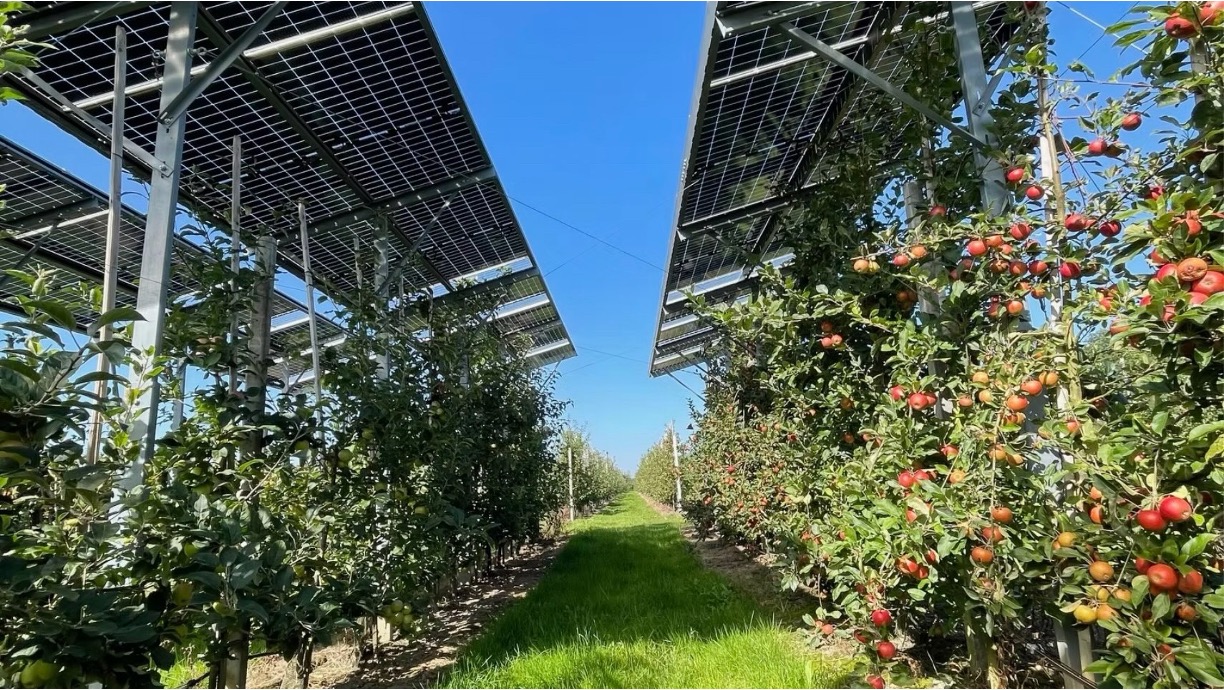

I have spent more than two decades financing renewable energy projects and providing blended finance to agri-SMEs in Africa. I have watched as …
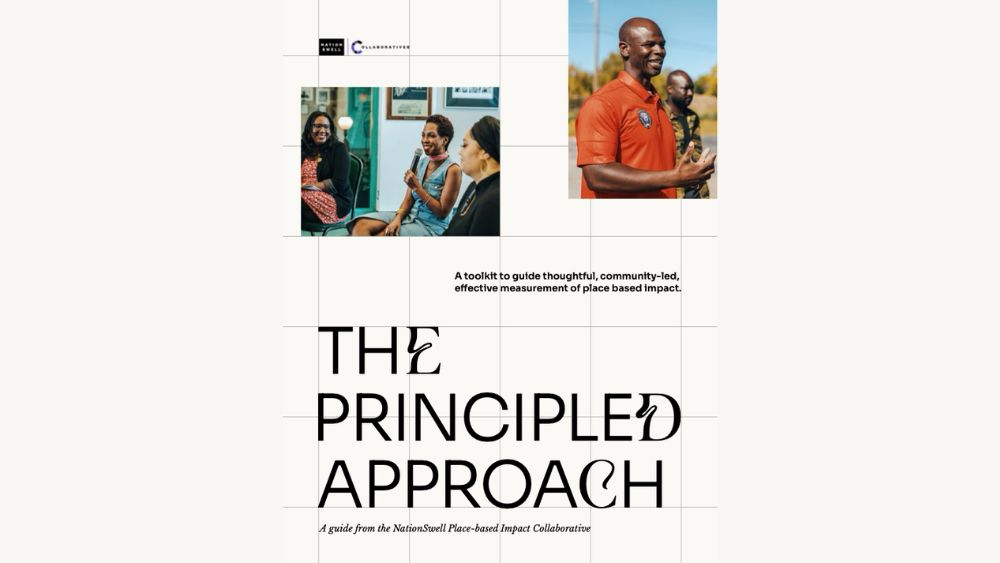

Few things are more likely to make an impact leader screw up their face in discomfort than talking about measurement. It doesn’t matter …
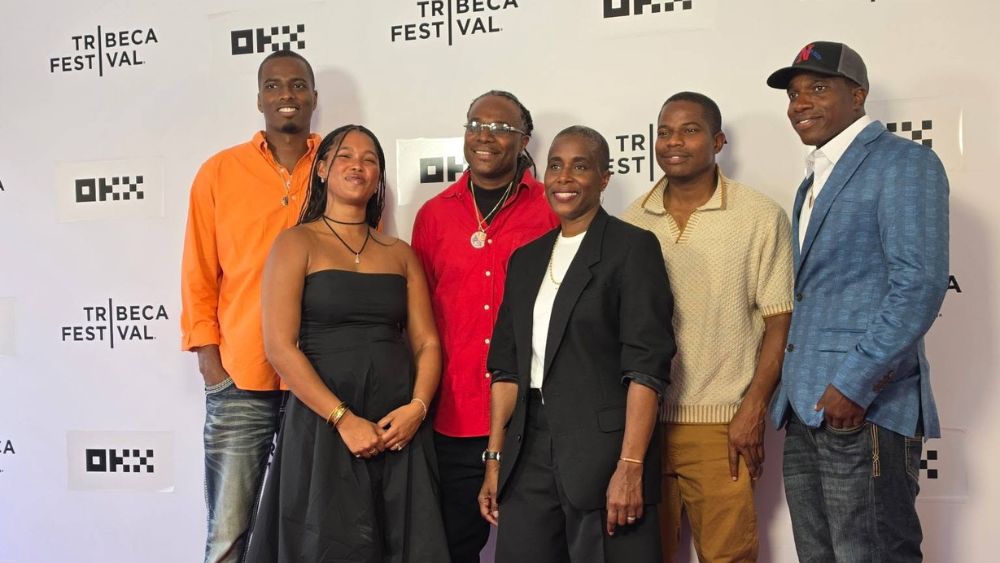

The US was once a nation of farmers. In 1870, nearly half of the employed US population worked in agriculture. Today, there are …


Climate change, biodiversity loss, inequality, and financing gaps are deeply interconnected. No single organization, investor or source of capital can address them alone. …
The deals, people and strategies optimizing AI for the public interest. In partnership with Siegel Family Endowment.


In much of impact investing, AI is being treated as no longer optional. New tools promising faster diligence, cleaner reporting, and more efficient …
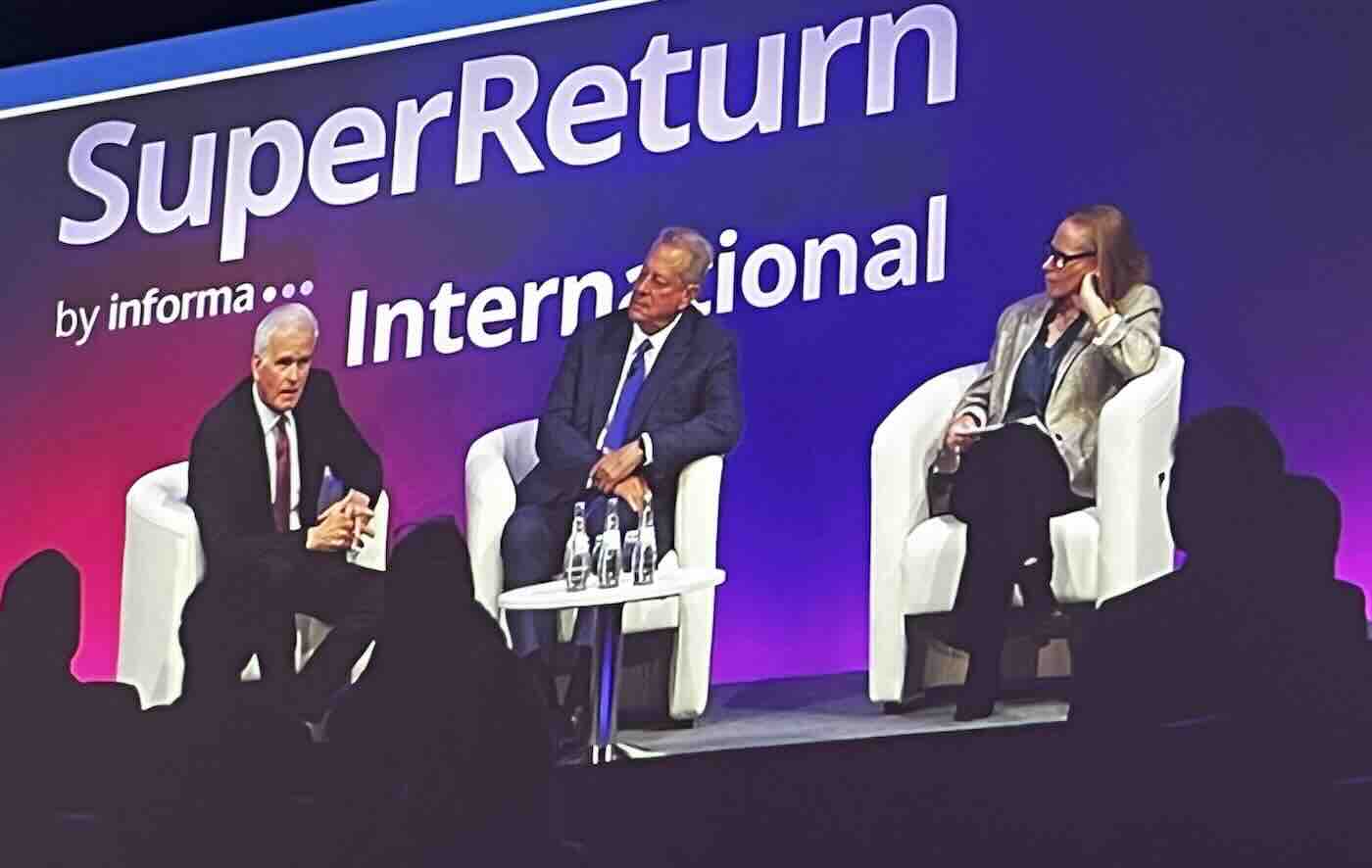

Artificial intelligence has been called the technology shift of a lifetime. For Generation Investment Management, it could also be the sustainability shift of, …


When SpaceX completed its IPO last month, many investors celebrated one of the most successful technology investments in modern history. The company raised …


For decades, impact investing has expanded our understanding of value. We learned that capital can generate financial returns while improving lives, strengthening communities, …
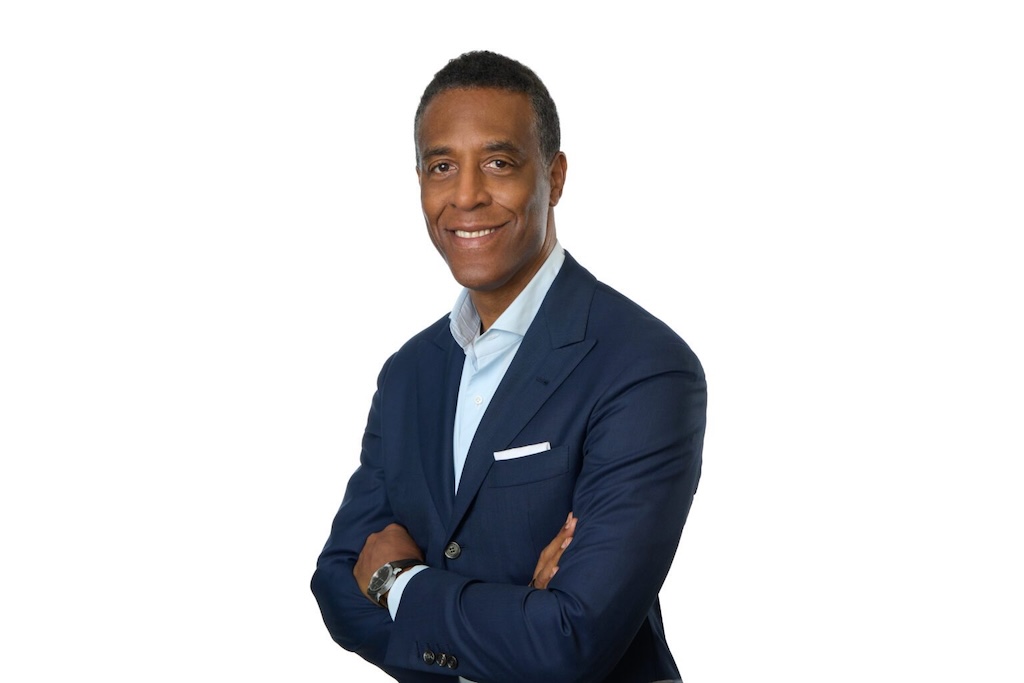

Rey Ramsey has spent his career refusing the options he’s been handed. Instead, he’s expanded the range of available choices, in housing, technology, …
Host Joy Anderson welcomes her brother, the philosopher Joel Anderson, to discuss how AI is changing the way we work. While AI can …


A growing chorus of stakeholders is calling for “broad-based ownership” of AI. But what does that mean in practice? And what would move …

Recently, Alphabet announced the ubiquitous Google search bar will be completely powered by artificial intelligence. This comes as the parent company of Google …


Detroit, Mich. – Detroit is shedding its underdog stance for a more inclusive pitch: the Motor City as an AI-era launchpad where tech innovation …
Strategies for investing in the ownership economy, wealth-creation and shared prosperity, in partnership with Sorenson Impact Foundation.


The growing number of ‘alternative ownership enterprises’ shows how varied the approaches to growing employee ownership have become. Since 2024, Transform Finance has …

The Gihekdagye Friendship Centre, an Indigenous social services organization, provides cultural and educational programming, health and wellness services, housing assistance and homelessness outreach …
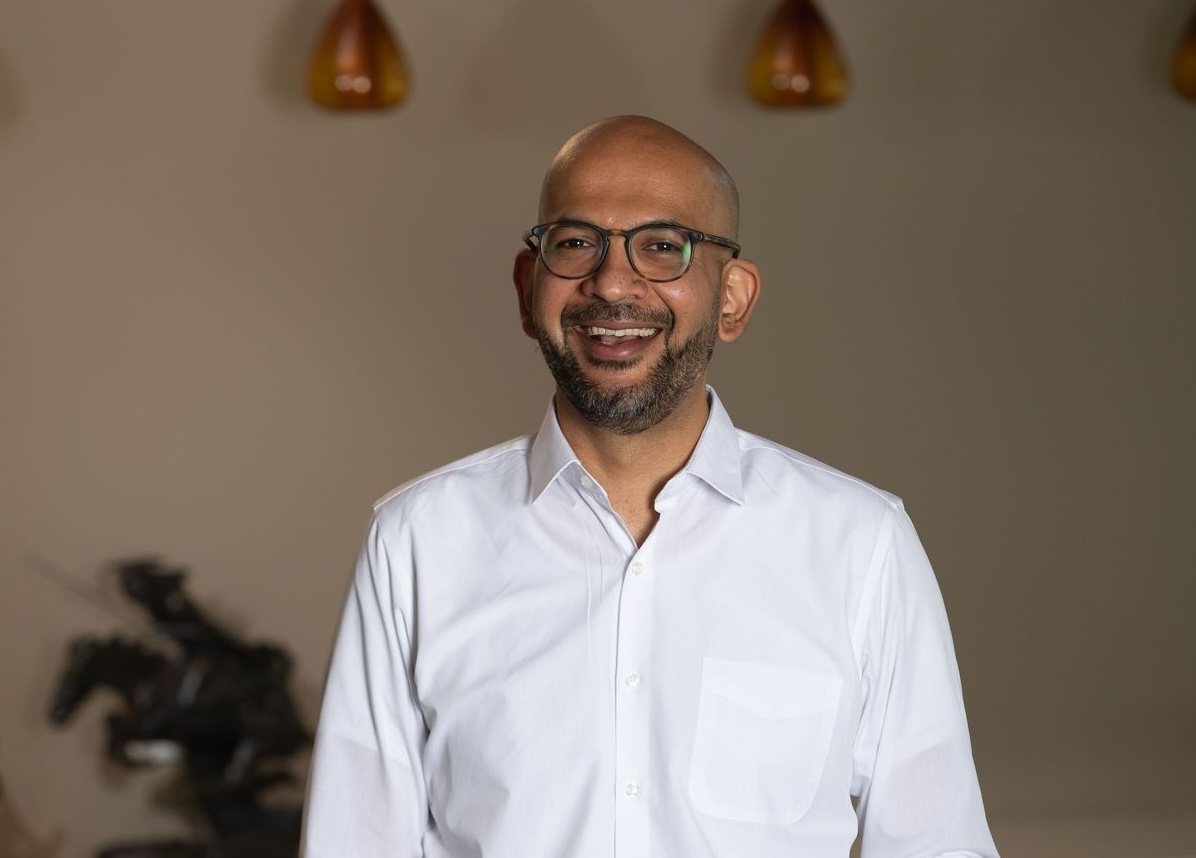

As we celebrate the nation’s 250th, there’s been a lot of talk lately about the American dream, and I’ve gotten to be in …


Ownership has long been at the center of the American dream. Home ownership is a hallmark of the middle class and small business …
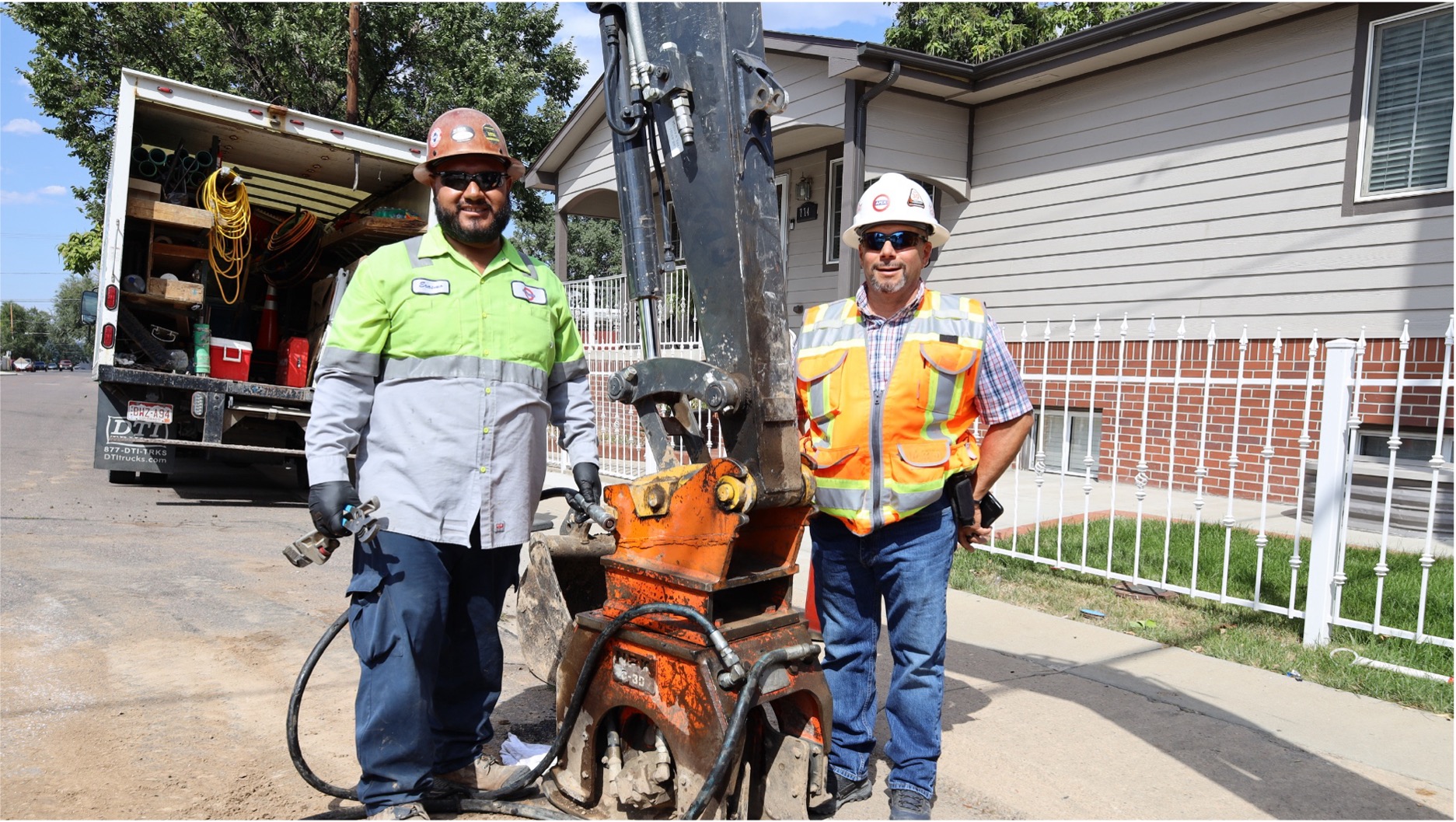

A recent McKinsey report puts the stakes of the Great Ownership Transition in stark terms. By 2035, roughly 6 million small and medium-size …
A growing chorus of stakeholders is calling for “broad-based ownership” of AI. But what does that mean in practice? And what would move …
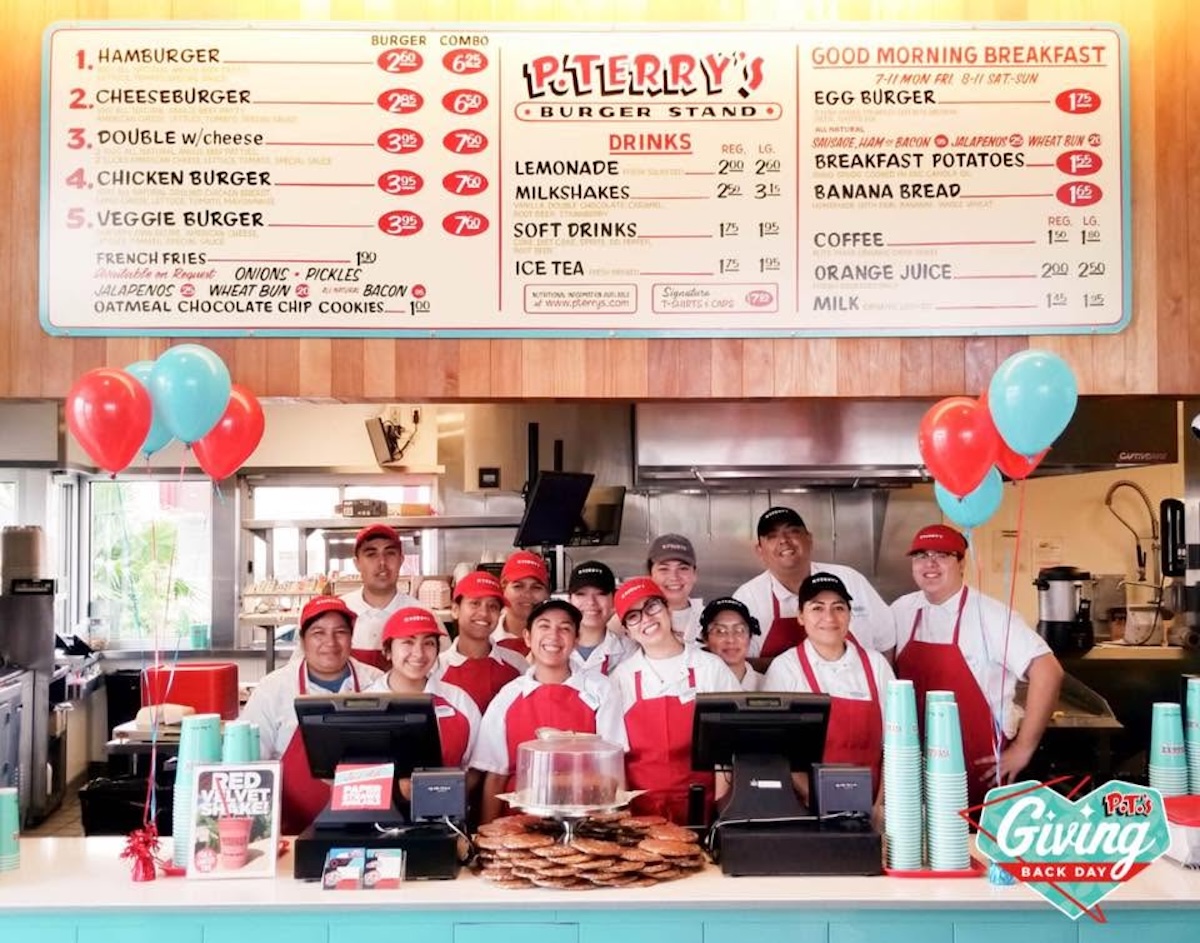
It was Patrick Terry’s childhood dream to own a burger stand. He and his wife Kathy opened one on a corner in Austin, …


Calvert Impact has long backed, or created, strategies that expand economic opportunity in underinvested communities. But ownership, the Bethesda, Maryland-based nonprofit impact investing …

Tobias Harris is trying to keep his Detroit Pistons alive in the NBA playoffs, where they trail his former team, the Orlando Magic, …
Build your impact career on ImpactAlpha

There is no denying that impact finance is one of the most sought after spaces in finance right now, but what does it …


Bold leaders. Taking action. Driving impact.
Agents of Impact who subscribe get access to what makes ImpactAlpha invaluable: