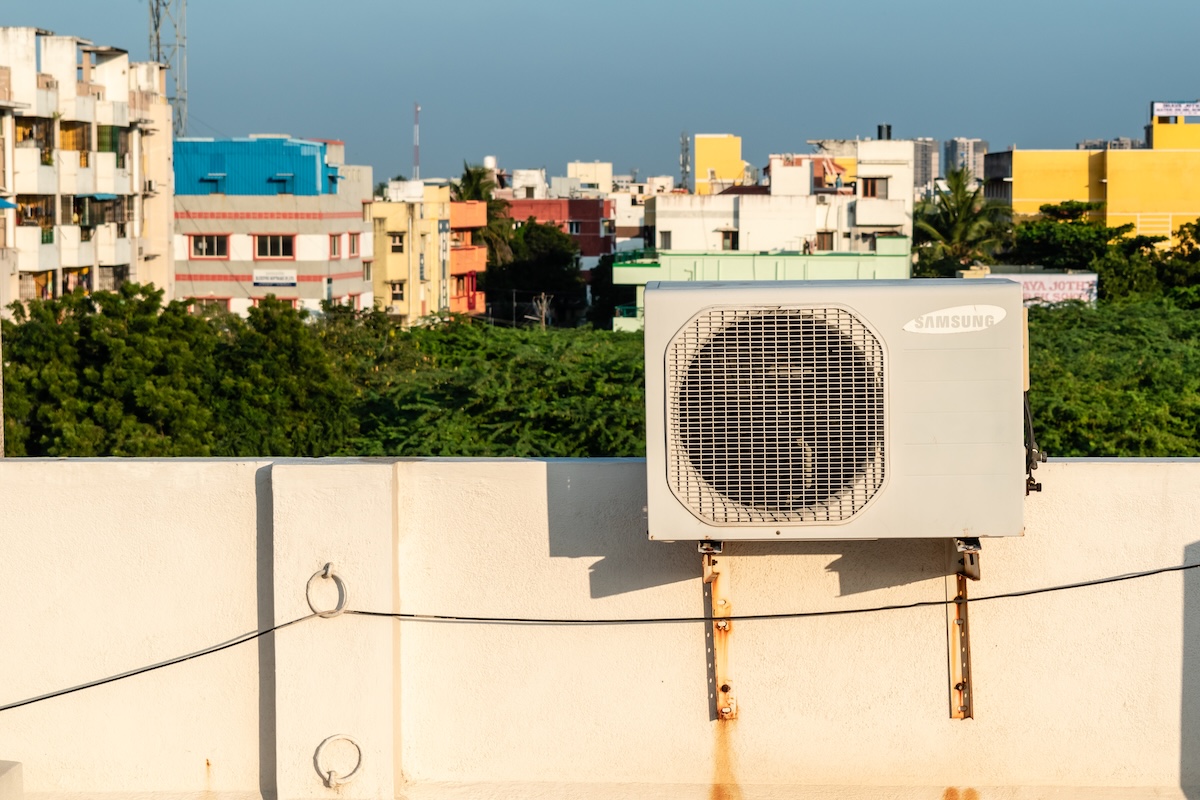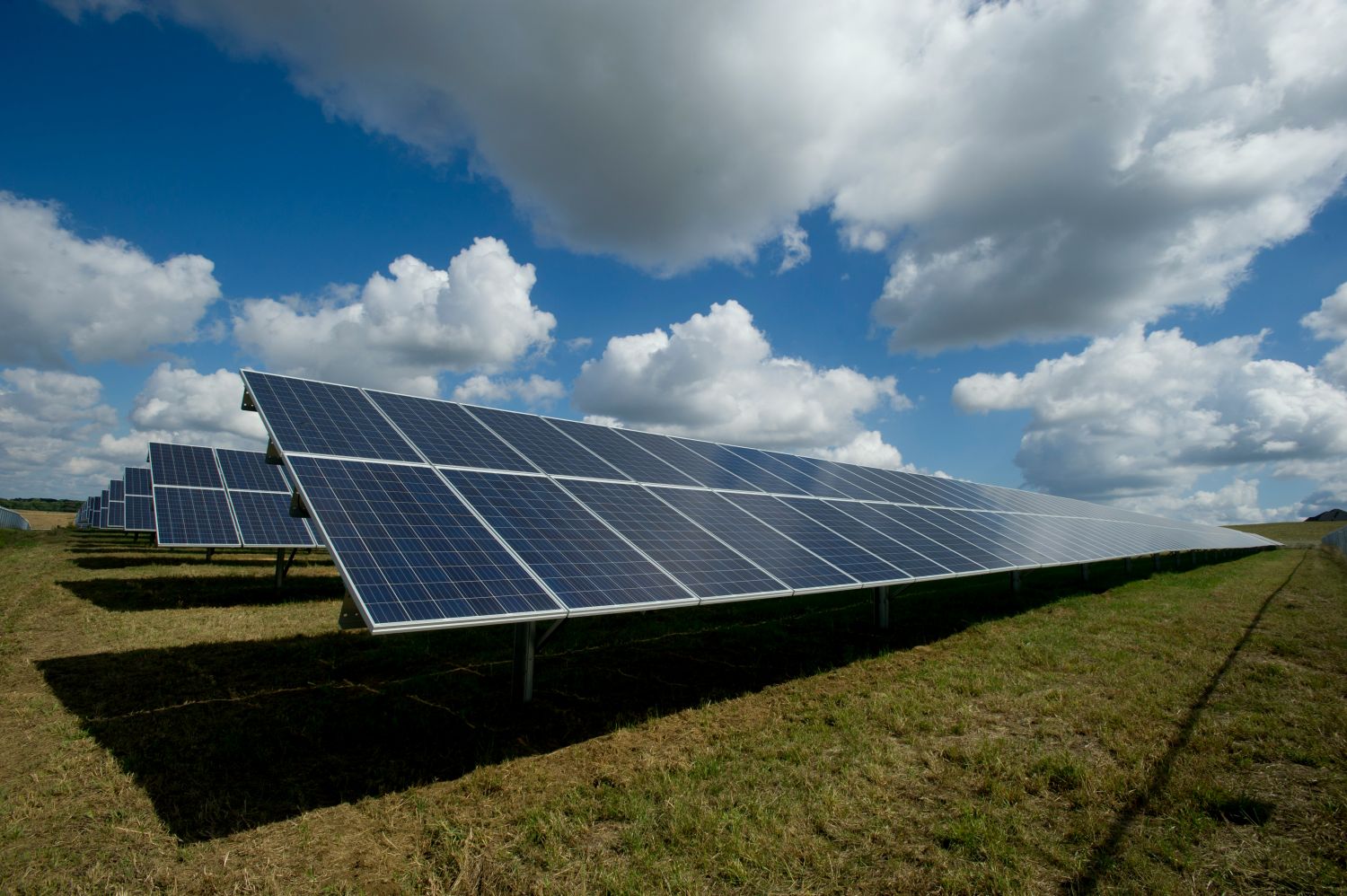

In Thailand, there was a $50 million debt commitment for rooftop solar. In Turkiye, a $155 million loan for public facilities’ earthquake resilience. And in Colombia and Peru, a $24.4 million equity investment in energy-efficient affordable housing.
The deals were made by the World Bank and regional multilateral development banks, or MDBs, as part of their climate finance pledges. The UK-based nonprofit, Publish What You Fund, has painstakingly tallied nearly 4,700 such deals by 11 multilaterals between 2021 and 2023 to foster greater transparency in the aid and development finance sectors.
The organization compared its findings to what the banks published in their joint summary report on climate finance in September. It was able to identify deal information for $253 billion – $54 billion short of the $307 billion the banks said they invested in climate initiatives over that time.
The missing deals are “untraceable at the project level,” representing a major lack of transparency in public and quasi-public funding streams as the COP30 climate summit gets underway in Belém, Brazil, warns Publish What You Fund’s Gary Forster.
“All of these numbers are getting bigger because the climate commitments and the scale of the climate problem is getting bigger,” Forster says. “You should be able to click on a number and see what’s behind it.”
Publish What You Fund’s downloadable spreadsheet contains climate deals from the six of the 11 MDBs that make their deal information public. They include the Asian Infrastructure Investment Bank, the Asian Development Bank, the European Bank for Reconstruction and Development, the European Investment Bank, and the Inter-American Development Bank’s and the World Bank Group’s sovereign investment portfolios.
The African Development Bank, the Council of Europe Development Bank, the Islamic Development Bank, the New Development Bank do not provide disaggregated deal data. Neither do the private finance divisions of the InterAmerican Development Bank (IDB Invest) and the World Bank (the International Finance Corp. and the Multilateral Investment Guarantee Agency).
Publish What You Fund has been pushing back against MDBs’ and development finance institutions’, or DFIs, claims that they’re unable to disclose investment-level data because of client confidentiality. That six MDBs publish their deal data in full “shows that non-sovereign climate finance data can be published at the project level without breaching client confidentiality,” the Publish What You Fund team writes. “MDBs that publish nothing on private sector climate finance are therefore making a choice, not facing an unavoidable constraint.”
Mobilizing climate capital
As COP30, dubbed the “implementation COP,” gets underway this week, pressure is on wealthy nations and development banks to ratchet up climate finance commitments, especially for nature preservation and adaptation and resilience in low-income and vulnerable countries.
In a significant first, the World Bank’s private finance group, the International Finance Corp., securitized $510 million of its debt investments to free up capital for new lending in emerging markets.
“The repackaging of IFC loans into rated securities creates a new asset class for emerging markets that meet institutional investment standards. This approach opens the door to the world’s largest pools of capital – pension funds, insurance companies, and asset managers to invest more substantially in emerging markets,” the World Bank said in a statement.
As the host of COP, Brazil recently pledged $1 billion to the new Tropical Forests Forever Facility, in a bid to mobilize $24 billion from other governments and $100 billion from private investors to pay heavily forested nations, including Brazil, to prevent deforestation. Brazil’s national development bank, BNDES, recently launched a five-billion-real ($918 million) initiative for climate funds.
The GAIA Climate Loan Fund, a blended adaptation-finance loan vehicle from Japanese financial giant MUFG Bank, Canadian development finance institution FinDev Canada and the Green Climate Fund, has raised $600 million toward a $1.5 billion goal. It will invest in “markets most severely impacted by, and least equipped to respond to, climate change.”
British International Investment, FMO and Norfund say they have mobilized over $3 billion in private climate capital in the past year through organizations like Pentagreen Capital, which supports sustainable infrastructure in Southeast Asia, and projects like the Kenhardt solar and battery facility in South Africa.
$600 billion more
A report last month by S&P Global Ratings found that a reassessment of MDBs’ credit risks could lead to $600 billion to $800 billion in additional development lending.
The credit ratings agency undertook a major revision of how it rates risk for major MDBs. Pretty much all major multilaterals were assigned AAA ratings and could withstand that rating with increased lending activity, S&P said.
“The shift reflects a long-overdue recognition that MDBs are structurally different from commercial banks. Their preferred creditor status, diversified portfolios, callable capital and shareholder support significantly reduce risk,” commented Misheck Mutize, a ratings agency expert with the African Union. “Rating methodologies didn’t fully account for these unique safeguards, effectively undervaluing MDB balance sheets and constraining their ability to lend more to participating countries.”
S&P’s revision to its credit methodology was based in part on a new release of emerging market loan data from the secretive Global Emerging Markets, or GEMs, risk database. GEMs for the first time published recovery rates for sovereign and sovereign-guaranteed debt over the past 40 years. The average annual default rate was less than 0.8%, with a 95.1% recover rate.
Lending to private entities in emerging markets over the past 30 years carried a default rate of less than 3.6% and a recovery rate of 72.2%.
“With 30 years of default frequencies and recovery rates, and now even further levels of disaggregation, GEMs shows that emerging market investments should be within the risk appetite of a broad range of investors,” commented Federico Galizia of the IFC.
GEMs, an initiative of nearly 30 MDBs and DFIs and the largest database of emerging market credit risk statistics, has been under pressure to be more open in order to encourage private lending in underserved markets. A release of aggregated market and sector data last year was deemed “insufficient to allow for the type of in-depth analysis that forms part our credit rating process,” by S&P.
If other major ratings agencies also now reexamine their ratings methodologies, says Mutize, “the cumulative impact could be transformational for global development finance, especially at a time when fiscal pressures and climate transitions demand more affordable capital.”
Quantity vs. quality
S&P’s move underscores the importance of data transparency, says Forster. “Once you start to win on transparency, more people change their behavior.”
Of the MDBs surveyed by Publish What You Fund, IADB and the Asian Development Bank provide the most user-friendly bulk data files for their climate finance investments.
The European Investment Bank provides the most granular deal data, though it only converted its climate finance deal data into a downloadable spreadsheet format in 2023. Prior years were disclosed in PDF format. Publish What You Fund noted that other banks often provide data in “inaccessible, locked away in formats that prevent effective use.”
The European Bank for Reconstruction and Development last year released its climate investments in a downloadable format, while the African Development Bank last year started labeling its climate investments for the first time, which will make them possible to input and analyze in future reports, noted Publish What You Fund’s team.
The MDBs pledged in their latest summary joint report to launch an interactive climate finance data platform at COP30.
“If successful, this platform could address many of the concerns raised,” writes the Publish What You Fund team. “If not, the recommendations in this report provide a timely guide for what stakeholders require from project-level climate finance disclosure.”
Forster is concerned that much of the discussion around development finance climate commitments and data disclosures over-emphasize financial risk. The deals that Publish What You Fund has included in its dataset are, on the surface at least, potentially impactful projects, he says.
“There are no super dodgy projects in there,” he shares. “Especially the biggest projects, they’re often major infrastructure and national-scale programs, and you can feel how important those projects are to recipient countries. It gives you confidence that we’re investing in the right stuff.”
There is too little information and data, however, about the real impact of these investments, he adds. “A big part of the climate story is that we need to bring in the private sector. But we are talking way more about money than we are about impact, and that runs the risk of us creating no impact.”