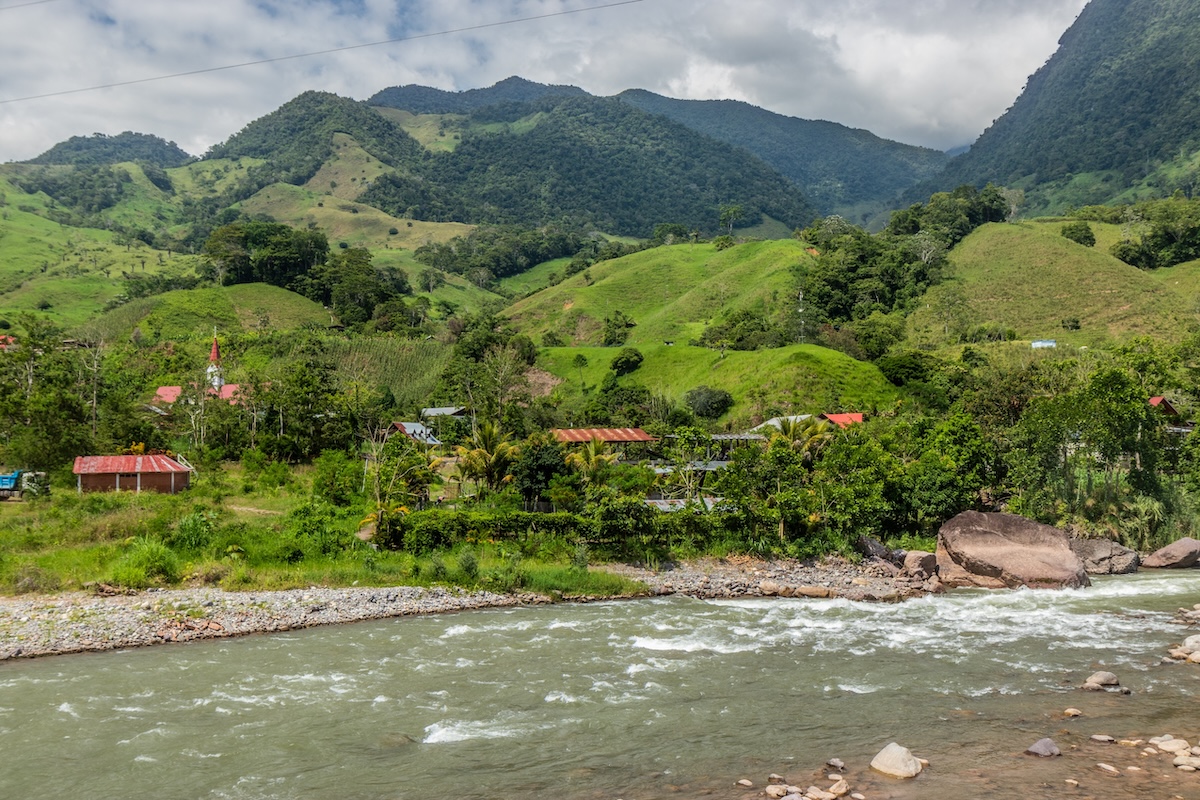
In May 2025, in Mokwa, Niger State, a devastating flood swept through homes in the early hours of the morning. Over 500 people died. Among those affected was a young man named Ndagi, who joined other youths in searching the rubble for survivors and helping relocate families to safety. For him, climate change was not a policy paper. It was not a distant projection or an international negotiation. It was the loss of relatives, the destruction of homes, the interruption of livelihoods and the painful uncertainty of where families would sleep the next night.
That tragedy in Mokwa is not an isolated event. Across Nigeria, farmers are confronting irregular rainfall and declining yields; coastal communities are facing erosion and rising waters; businesses are losing productive hours to unreliable energy; and cities are struggling with flooding that overwhelms drainage systems and infrastructure.
For Nigeria, climate action is not an abstract environmental aspiration. It is about whether a farmer can harvest despite changing rainfall patterns; whether a family can access affordable and reliable electricity; whether a young person can find dignified work in a modern economy; whether our cities can withstand floods; and whether Africa’s largest economy can industrialize without reproducing the environmental vulnerabilities of the past.
Nigeria is not asking investors to finance ambition alone. We are inviting them to co-finance a growing pipeline of commercially viable, climate-resilient projects supported by law, public policy, accountable institutions and a legislature committed to delivery. Examples include the DARES project, Project 300, the Light Up Project managed by the REA and the local manufacturing project managed by NASENI.
In the past five years, Abuja has ensured that laws, regulations and fiscal structures are ready for global investment. As the deputy speaker of Nigeria’s House of Representatives since 2023, I have seen these reforms firsthand. The scale of the opportunity is substantial. Nigeria’s updated Energy Transition Plan estimates that approximately $500 billion in capital investment above business-as-usual spending will be required to achieve net zero by 2060. This is an opportunity to build new markets, modernize infrastructure, create green jobs, unlock innovation and deliver long-term returns.
Nigeria’s climate investment opportunity
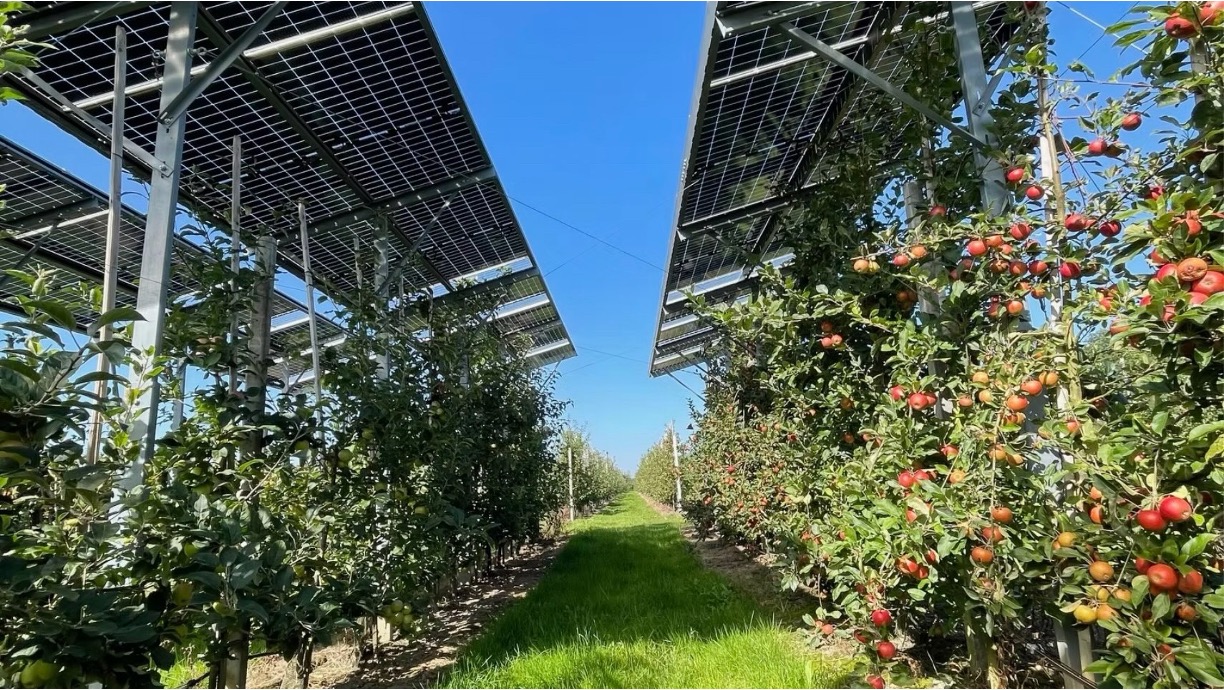
The opportunities before investors are practical, immediate and diverse. They include distributed renewable energy, solar mini-grids, battery storage and clean cooking solutions. They also include climate adaptation: flood-control systems, resilient drainage, coastal protection, nature-based solutions, climate-resilient housing and infrastructure that can protect communities and productive assets from the growing effects of climate change.
This mix of investments is especially important because Nigeria’s climate challenge is both a mitigation challenge and an adaptation challenge. Our people are already living with the consequences of extreme weather, flooding, land degradation, food insecurity and climate-related displacement.
At home the government has embarked on significant economic reforms. President Bola Ahmed Tinubu is on record explaining how the removal of the fuel subsidy has redirected vital public resources toward infrastructure. This action is part of a broader effort to reposition Nigeria as a more competitive, productive and investable economy.
We recognize that investors require more than encouraging macroeconomic indicators. They require predictability, transparency, enforceable contracts, efficient approvals, credible institutions and mechanisms that reduce risk. That is why Nigeria is committed to steadily strengthening the legal, regulatory and institutional conditions required to reduce investment risk and improve investor confidence.
Nigeria’s Climate Change Act also provides Nigeria with an important legal framework for climate governance, carbon budgeting, emissions reporting, climate-action planning and the development of market-based mechanisms that can support low-carbon growth. We see lawmakers not as observers of the climate crisis, but as architects of the legal certainty and public accountability required for a resilient, competitive and sustainable economy.
From policy to bankable projects
Policy must now become projects, and projects must become transactions. Nigeria is therefore inviting international investors to develop innovative financing structures. We require finance models that combine public, private and concessional capital. We seek green guarantees, first-loss facilities, political risk insurance, local-currency financing, project preparation support and credit enhancement instruments that can reduce the cost of capital for viable green projects.
The transition to a low-carbon economy is one of the defining challenges of our time. But Nigeria refuses to view that transition through the lens of limitation. We see it as a historic opportunity to modernize our infrastructure, expand energy access, create sustainable jobs, strengthen food systems, build resilient communities and accelerate inclusive economic growth.
Nigeria brings to the table a large market, a young and innovative population, a growing body of climate legislation, expanding subnational opportunities and a legislature committed to ensuring that policy translates into delivery. We can combine sound legislation, credible institutions, subnational innovation and international capital to transform the goals of the Paris Agreement into practical progress for the people of Nigeria.
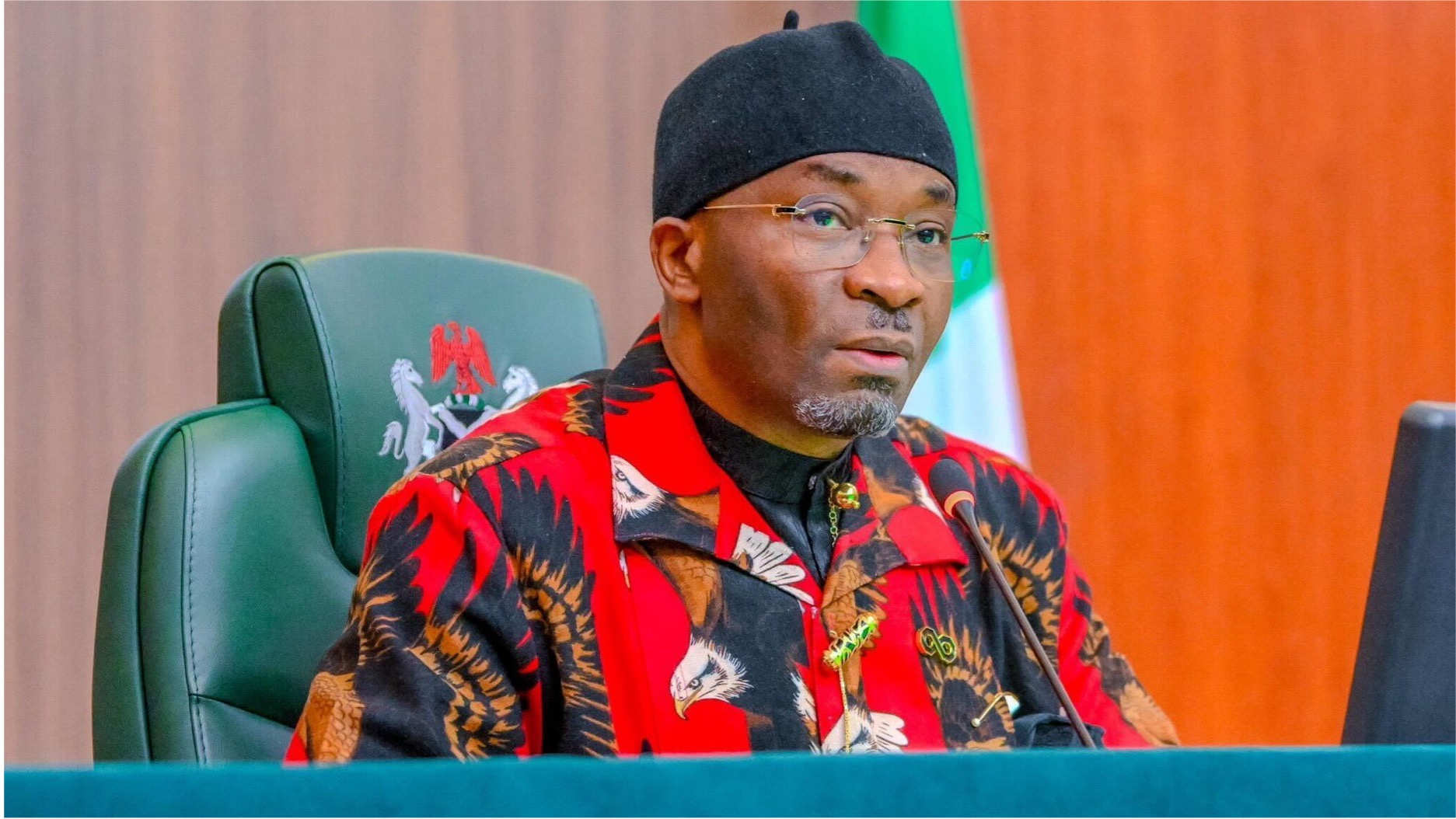
Benjamin Okezie Kalu is a Nigerian politician who has served as the Deputy Speaker of the House of Representatives of Nigeria since 2023. He represents the Bende federal constituency.
Guest posts on ImpactAlpha represent the opinions of their authors and do not necessarily reflect the views of ImpactAlpha.