The US was once a nation of farmers.
In 1870, nearly half of the employed US population worked in agriculture. Today, there are about 3.5 million farmers operating in the US, the vast majority of which are independent family farms. Of those, Black farmers represent just 1%, or about 45,000, down from 1 million in the 1920s, and operate less than 1% of total US farmland.
That’s what makes the story of Nelson and Sons Farm, led by the four Nelson brothers, so captivating. These fourth-generation farmers grow corn, soybeans, cotton, and other crops across about 4,000 acres of land in rural northern Louisiana, including land from the Henderson project, a federal Reconstruction era initiative that allocated land to formerly enslaved people to help expand economic opportunities for Black people.
The Nelsons have dreams of becoming among the biggest farmers in America – not just to provide a legacy and livelihood for their descendents, but to show what Black economic empowerment could look like.
“As farmers, we have to come together,” said Courtney “Chops” Nelson, who often shares updates on farm life on his TikTok channel. “We know it’s important to open up opportunities for more young Black farmers in Louisiana and across the nation.”
But climate change, rising costs, risk-averse investors and family tension makes this dream – and those of many other family-owned farms across the country – more difficult to achieve than ever.
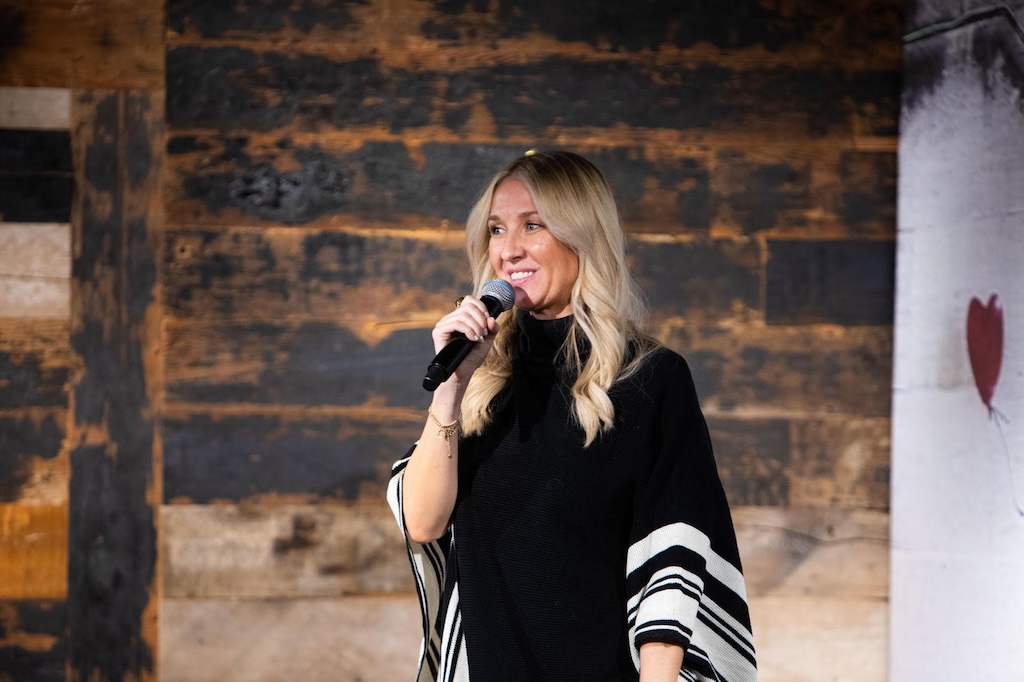
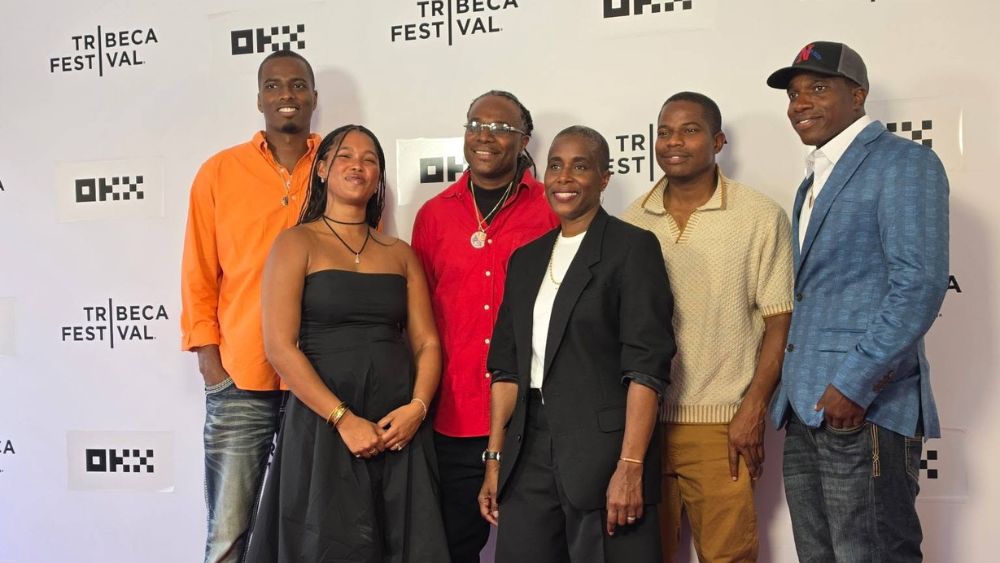
“Harvest,” a new documentary from mother-daughter duo Natalie Baszile and Hyacinth Parker, brings a raw and emotional lens to the Nelson family story. The film, which premiered at the 2026 Tribeca Festival – and took home second place in the Audience Awards for the Documentary category – is powerful precisely because the story feels so familiar.
There are countless farming families and communities that have come on hard times as Big Agriculture deepens its roots and macro forces like climate change and trade wars threaten farmers’ livelihoods. The story of the Nelson brothers is therefore a story about rural America, and how dependent farmers are on resilient social and environmental systems.
From the land to the screen
Baszile first met the Nelsons while working on a TV show based on her award-winning novel, Queen Sugar, about a fictional Black woman who inherits a sugarcane farm in Louisiana. The TV show, which also had the name Queen Sugar and ran for 7 seasons and 89 episodes on the Oprah Winfrey Network, boasted Ava DuVernay as creator and Oprah herself as executive producer.
Inspired by the positive reception to the book and TV series, Baszile started working on an anthology about Black farming in America that involved touring the country and interviewing Black farmers about their lives. That 2021 book, “We Are Each Other’s Harvest: Celebrating African American Farmers, Land, and Legacy,” traced the stories of farmers across generations and explored how they tackled new and old challenges related to food justice, sovereignty, and economic reparations.
The Nelsons were one of the farming families featured in the book and came off as so engaging and charismatic that Baszile started to explore the potential for a docuseries.
“It was clear they could carry a story,” said Parker, who joined her mother on the project after a stint working on the award-winning Welcome to Wrexham docuseries. “They took to the camera so easily.”
With evidence of a ready-made audience and a compelling topic, funders were eager to support the project. The Redford Center funded a sizzle reel. Kat Taylor, the cofounder of Beneficial Bank and TomKat Ranch Educational Foundation, came on as one of the executive producers, because the themes of economic opportunity and sustainable food systems were aligned with much of her philanthropic work. Dawn Porter, an award-winning filmmaker known for directing films like “John Lewis: Good Trouble” and “The Way I See It,” also came on as executive producer. The Ford Foundation, which had earlier provided funding to DuVernay to produce her 2023 narrative film Origin, provided funding to Baszile and Parker help turn the docuseries into a film.
Part of the appeal for funders was in giving a voice – and a story – to the kinds of marginalized communities that are often talked about, but rarely heard from. The Nelson brothers brought a unique perspective to the story and a willingness to be transparent about both their struggles and aspirations.
“I think people feel fatigued by having to think about all these issues,” said Baszile. “That’s why this film is character-driven first. It’s like a Trojan horse, where we sneak the message in but do it in a way that balances joy and inspiration.”
“Just because it’s about something important, doesn’t mean people will watch it,” said Parker. “It also needs to be fun and entertaining.”
Digging for a financial solution
Much of the documentary focuses on the financial challenges of operating a family farm in a world in which climate change, trade wars, and geopolitical turmoil brings unexpected costs and risks. The Nelsons grapple with a late-season flood that delays planting of crops, a heatwave that threatens to decimate crops, and trade wars – and literal wars – that increase costs for fertilizer and diesel fuel.
It’s such a precarious industry that most family farms are just hoping to recoup their costs each year. The only real path to profits is to reach scale (i.e., increased acreage and diversified crops), but to reach scale means putting together enough good harvests to be able to afford more land and better equipment. It’s the kind of Catch-22 that has many family farms instead selling off their land and equipment to industrial-scale producers or real estate developers.
The Nelson brothers have a long-term goal of owning 10,000 acres of farmland each and to offer low-cost opportunities for new Black farmers just starting out. But the only way to reach this target – let alone survive a few downyears – is through outside financing.
One of the more hopeful scenes in Harvest features a video conference between the brothers and the team at Potlikker Capital, a charitable loan fund that specializes in supporting historically underserved agricultural producers and processors nationwide. Potlikker clearly understands the issues facing the Nelsons – expensive equipment, volatile weather, unpredictable yields – and is willing to offer a $250,000 a very low-interest loan to help the farm make it through tough times.
It’s a picture-perfect example of how impact investors can use their capital to generate positive, real-world outcomes – and the kind of example that is rarely seen in films or TV shows featuring financial professionals.
But the next we hear of Potlikker, near the end of the film, the terms of the loan have changed. Now Potlikker is offering 4% interest – still low compared to most banks or other alternative lenders, but a higher cost – and is asking the Nelson brothers to put up their farm equipment as collateral.
It’s a steep price to pay for a family business that is already living on the margins. Fortunately, the Nelson brothers are able to secure funding from elsewhere. The dream lives on.
It’s unclear what changed between these two scenes. Perhaps something got lost in translation. Perhaps the team at Potlikker was uncomfortable with the amount of risk they were taking, which could have detrimental effects on the rest of their portfolio. Perhaps the ability of the Nelson brothers to repay the loan changed due to unforeseen circumstances, like a late rain forcing them to replant much of their crop.
The challenge for impact investors in these types of situations isn’t just about landing on the right terms, but about finding a way to build trust and transparent communication with both current and potential investees. One bad interaction is all it takes for borrowers to swear off private capital, especially if they expect it to always come with strings attached.
But whatever the reason, this subplot offered a stark reminder that innovative finance isn’t always the silver bullet that impact investors sometimes make it out to be. And the core plot of the documentary – one rooted in Black economic empowerment and the challenges of life in rural America – are a reminder that the farming community is one of the biggest stakeholders in the work ahead to create sustainable and equitable livelihoods for all.
After all, it’s not just the seeds we plant, but how we nurture our shared social and environmental systems.