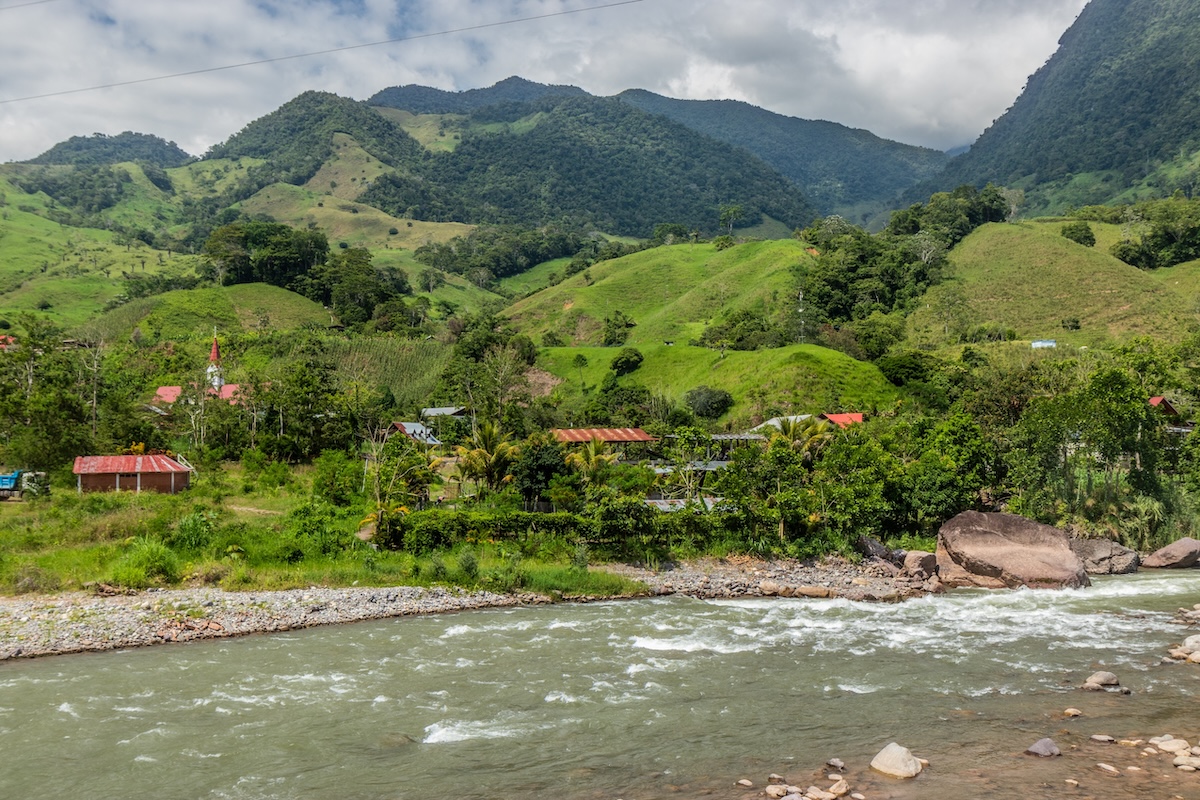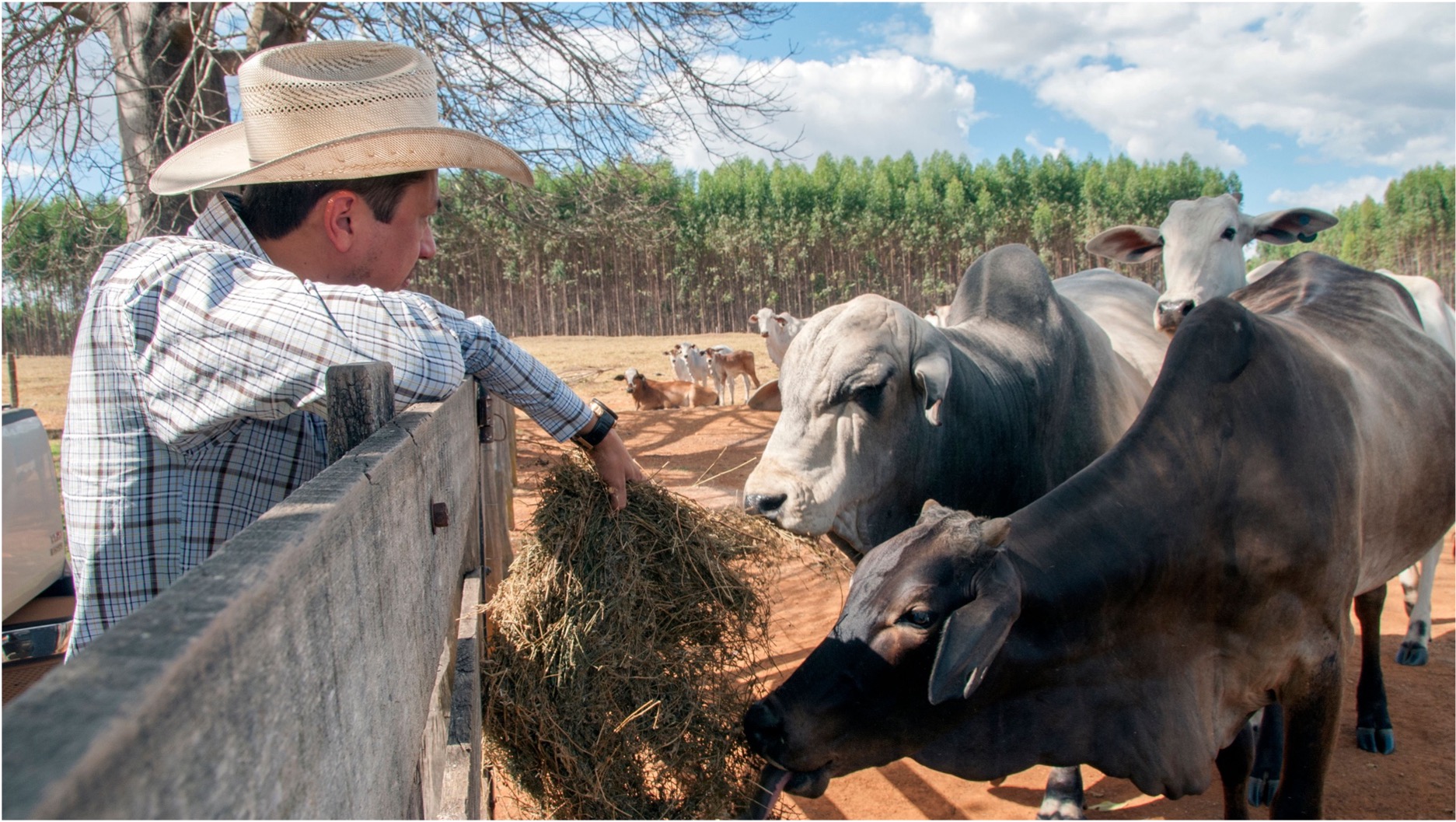

The Amazon biome is the largest remaining tropical rainforest in the world. It houses at least 10% of the world’s plant and animal species, and 20% of the world’s liquid freshwater. Yet over the last 50 years, an estimated 17% of the Amazon forest has been lost to deforestation and a further 17% has been degraded. This destruction is primarily driven by unsustainable and often illegal forms of land use, such as forest clearing and cattle ranching.
Should high deforestation rates continue, a recent study in Nature estimates that climate tipping points may be breached in the coming decade, “triggering unexpected ecosystem transitions,” and endangering food production, ecosystems and livelihoods in the Amazon.
Impact Earth’s Amazon Biodiversity Fund was created to help solve this problem. It invests in projects and companies that have a transformational, positive impact on biodiversity and communities in the Brazilian Amazon. By the end of 2025, it reached its target commitment of $40 million invested in 11 nature-based enterprises and projects across the Amazon, with ticket sizes of $1-5 million.
Our investments include conservation projects led by indigenous communities, such as the REDD+ program implemented by Rio Terra in Rondônia, agroforestry projects that support smallholder farmers in the transition to climate-smart practices and better market access — such as Café Apuí & Belterra — and downstream processing companies that embed Amazonian biodiversity into consumer goods, such as Mahta.
The funding gap
In the five years since we launched the fund, the funding landscape for nature-based projects and companies has changed dramatically. When we launched in 2020, there were few, if any, funds committing tickets above $1 million to the Amazon. Since then, finance for nature has surged, with global nature finance reaching $228 billion annually, according to UNEP’s State of Finance for Nature report.
Yet while investment in nature is flowing, many nature-based enterprises in the Amazon continue to face severe funding gaps. A report by USAID and Cross Boundary in late 2024 found that capital availability below $10 million was scarce to nonexistent.
Despite all the progress made, many investors continue to view earlier-stage opportunities as uniquely risky or immature and do not allocate capital. As a result, nature-based entrepreneurship is throttled, while the communities facing the highest risks — whether from climate shocks, land invasion or disempowerment — struggle to access the funding needed to reach the minimum scale at which they can access growth capital, above $10 million.
In our experience, nature-based ventures in the Amazon are not inherently riskier than other regions or sectors. They face challenges that are similar to early-stage companies elsewhere. For example, they often require support to improve governance, planning and operations — delivered through technical assistance and in-kind support.
Nature-based ventures do, however, carry some risks that are unique. These are environmental and social risks, many of them exogenous and with no clear analog in other sectors. For instance, local climate risks or illegal land invasion are common across the Amazon. The causes of these risks are outside the direct control of nature-based enterprises. That said, even exogenous risks can be mitigated. Many innovative risk-mitigation solutions have reached the market in the past five years, such as sophisticated early warning systems or parametric insurance.
How nature-based finance scales
When nature-based investments target a specific funding gap and are paired with tailored non-financial support, we have seen firsthand how they achieve success and go on to attract funding from later-stage investors who commit tickets above and beyond the $10 million threshold.
The sub-$10 million funding gap we see in the Amazon isn’t unique to the region. It’s a structural barrier across the world’s most biodiverse tropical biomes. From the Congo Basin to Southeast Asia, the same pattern emerges: Later-stage capital crowds in on proven models, while earlier-stage ventures struggle to access capital. This is a market failure in the nature-based finance ecosystem as a whole.
Meeting global commitments for nature requires not just bridging the funding gap identified by UNEP — a 2.5x annual capital increase by 2030 — but smarter deployment of that capital targeting structural gaps below $10 million, paired with tailored non-financial support.
When funding fills these gaps — as ABF has demonstrated in the Amazon — nature-based entrepreneurship thrives, creating ripple effects that benefit communities, ecosystems and the global climate.
Nick Oakes is the co-founder and managing partner of Impact Earth.
Guest posts on ImpactAlpha represent the opinions of their authors and do not necessarily reflect the views of ImpactAlpha.