In early May, Norwegian battery cell producer Morrow Batteries filed for bankruptcy. A year earlier, it was Sweden’s Northvolt. Some 17 European battery production projects have been cancelled or delayed.
Slower than expected EV sales and competition from low-cost Chinese and Korean suppliers has dimmed Europe’s hopes of building a homegrown industry to supply batteries for electric vehicles.
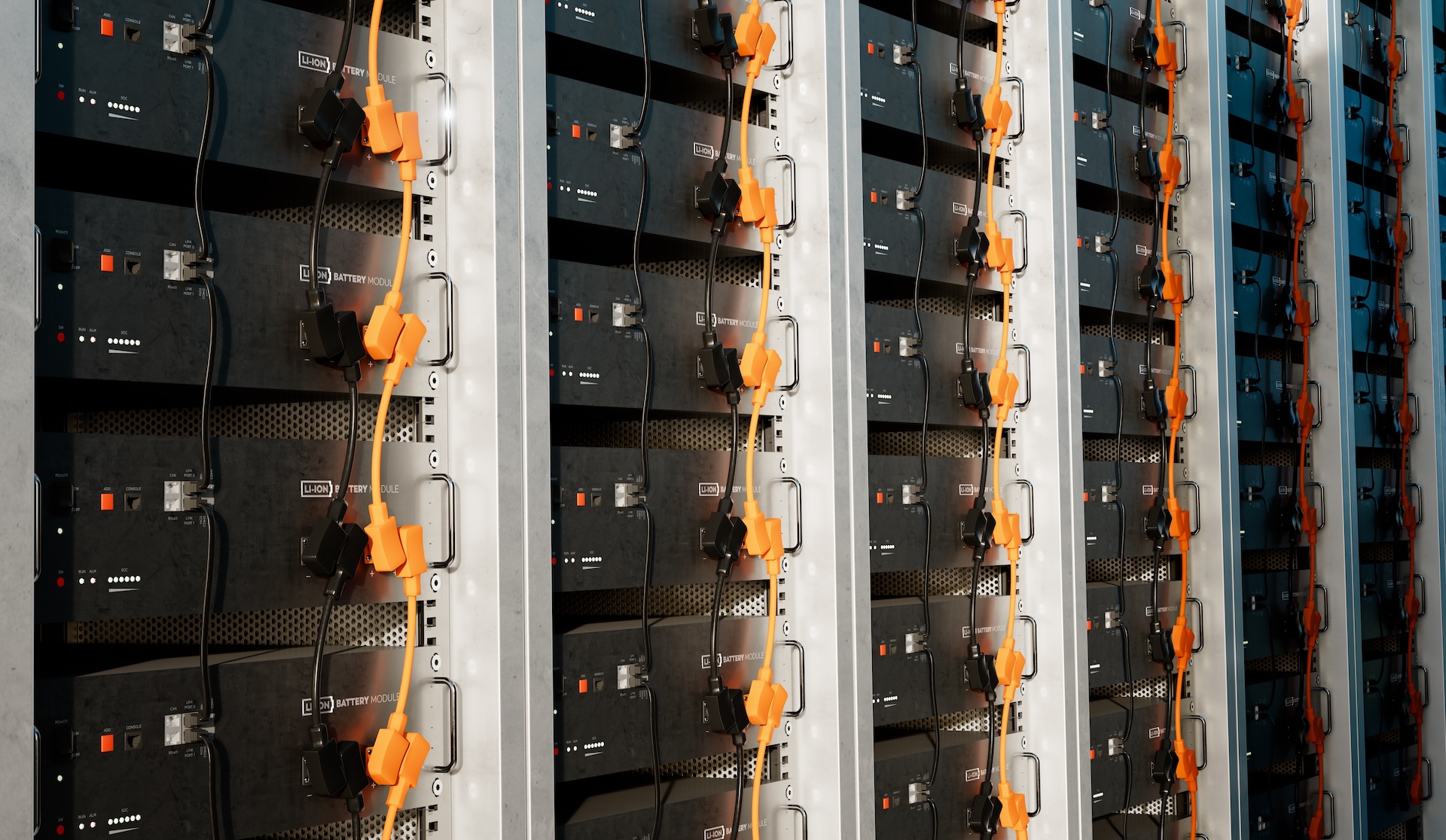
But the economics are different in another corner of the battery market – for stationary storage systems for renewable energy from wind and solar. In Europe, billions of dollars of fresh investment are flowing to European battery makers for systems that can store excess energy and release it when intermittent sources are not producing.
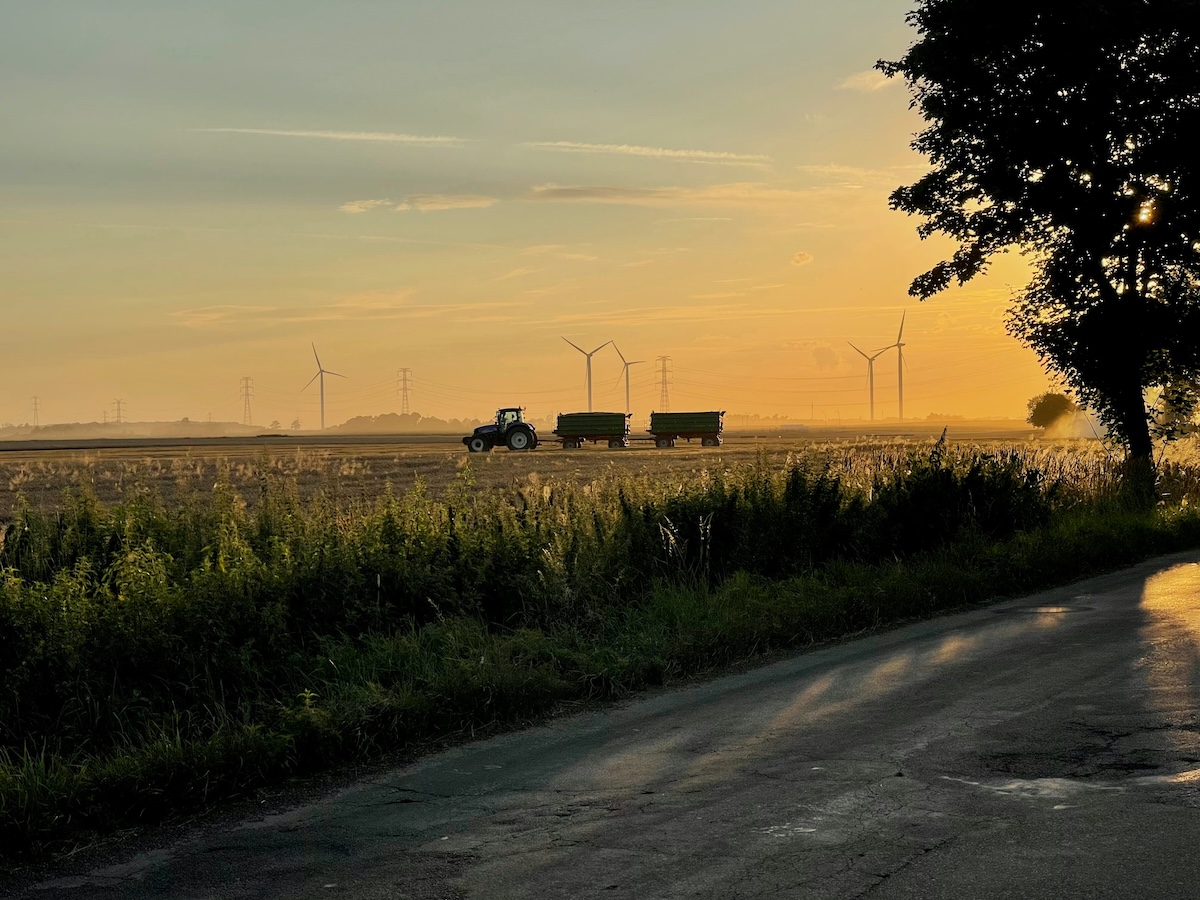
Wind and solar produced more power than fossil fuels for the first time last year; renewables now generate close to half of all EU power. The shift to wind, solar and other clean energy accelerated first with Russia’s invasion of Ukraine in 2023 and more recently with the spike in oil and gas prices caused by the closure of the Strait of Hormuz because of the war with Iran.
The new generating capacity is creating energy imbalances and price volatility, including negative pricing when renewables are over-producing. The continent is racing to deploy utility-scale battery energy storage systems, or BESS. By 2024, BESS sales were growing twice as fast as EV sales.
Europeans have “woken up to the idea that we are not energy independent,” says Wiebe Visser of Dutch impact investing platform CarbonEquity. “It’s not only energy independence, it’s also just pure economics.”
“If you have cheap generation, like you have in the Nordics with hydro or with wind, or in Spain with solar, if you put a battery next to it, it’s a great economic case,” Visser told ImpactAlpha.
Cost curves
Battery energy storage is taking off around the world, thanks to falling battery costs and surging demand for power. In 2025, global deployment of battery storage exceeded 100 gigawatts for the first time. Average prices for battery storage systems fell by nearly one-third last year, and have continued to fall.
In Europe, investors including Santander, Natwest and Rabobank poured a record €8.6 billion ($10 billion) into battery storage venture investments, project finance and acquisitions last year, according to Mondo Energy. The momentum has carried on this year, with 53 new deals attracting an additional €3.1 billion ($3.6 billion) in the first quarter.
Last week, Encosa, a German developer and operator of battery energy storage systems, raised Є25 million ($29 million) in a seed round led by German VC Realyze Ventures to bring energy storage to Germany’s “mittelstand” or mid-sized businesses. Dutch pension fund manager APG last fall invested €300 million ($348.6 million) in Return, an Amsterdam-based battery storage developer that connects systems across countries to manage fluctuations. APG, which invested on behalf of the €600 billion pension fund ABP, cited Return’s potential for “strengthening grid resilience across Europe.”
German investment firm aream Group is looking to raise €400 million for its Clean Energy Future Fund II, which will invest in European solar and wind projects integrated with battery storage.
In May, Carbon Equity announced a €15 million ($17.5 million) infrastructure debt fund, which will target BESS projects as well as solar parks, wind farms, and biomethane plants across Europe. Visser expects BESS to make up to 30% of the new fund’s underlying exposure.
Tech sovereignty
Europe has many of the right ingredients for investors. FieldFisher, a London-based law firm, forecasts that battery storage capacity in Europe will increase sixfold to more than 100 gigawatts by 2030 on increased demand for clean energy.
On a “beautiful, sunny and windy” day recently in Bucharest, wind and solar generation “working at full speed,” recalls Gregory Poilasne of San Diego-based Nuvve which has more than a dozen battery energy storage projects in Austria, Romania, and Bulgaria. As part of its pivot to Europe, Nuvve said it has developed a pipeline of one-gigawatt in battery energy storage projects, backed by OMNIA Global, the family office of Swiss entrepreneur Daniel Hansen.
Electricity prices fell below zero from 11AM to 2PM. “With the balancing of the grid, plus the arbitrage…you have a value of $5,000 per megawatt per year,” Poilasne told ImpactAlpha. Under those conditions, BESS projects have a “very short” payback period and “can generate a lot of value for shareholders.”
The exodus of talent from fallen battery darlings Northvolt and Morrow has created a talent pool for battery storage startups and developers. Just last month, Swedish energy firm Tavion secured SEK 76 million ($8 million) in pre-seed funding and SEK 500 million ($53 million) in debt financing from investors including its CEO, former Northvolt executive Emad Zand. Swedish venture capital funds Course Corrected and BackingMinds also invested.
“Battery storage is what will make tomorrow’s power system work in practice, and that’s where we’re concentrating our efforts,” Zand said in announcing the raise.
Another attraction for investors and battery players is that BESS arrays can use battery cells that are built without rare earth metals and other imported materials, reducing supply chain risks and costs and enhancing tech sovereignty.
Because grid-storage batteries are not mobile, they can be bigger and heavier. That means they do not require the same energy density as an EV battery, they can use alternatives to the conventional lithium nickel cobalt manganese oxide, or NMC, chemistry used in EVs. Startups are using abundant materials such as iron, sodium and zinc to store energy.
London-based battery storage developer Highview Power has partnered with wind developer Ørsted to explore using liquid air energy storage, which cools and compresses ambient air and releases it to generate energy, with offshore wind farms.
Policy tailwinds and headwinds
Grid storage also has policy support under the EU mandate to accelerate the transition from fossil fuels and the effort to maintain sovereignty in critical technologies. Battery and grid technologies are part of the EU Strategic Technologies for Europe Platform, or STEP, which invests in strategic technologies. The EU prioritizes development of sustainable batteries and alternatives to lithium. It also supports the development of a “continental battery ecosystem,” including recycling, to cut dependence on critical materials and foreign producers.
Now, the European market is attracting US battery producers who have been burned by slow EV sales.
Virginia-based Fluence Energy, which is building Europe’s biggest battery energy storage project with German utility LEAG. Powin Energy, a storage integrator from Oregon, partnered with Portuguese energy firm Galp last year to build a large-scale battery energy storage system at its solar park in the southern Algarve, a solar power hotbed.
Nuvve, a pioneer in EV-to-grid technology, began shifting its attention to Europe and to BESS in anticipation of the drastic slowdown of the American US EV market under the Trump administration. In addition to OMNIA, Nuvve shareholders include Denver-based private equity fund GSA Capital Partners, Boston-based Geode Capital Management and Swiss bank UBS.
A typical 50- megawatt battery project in Europe may generate as much as $8 million to $10 million in annual earnings before interest, taxes, depreciation and amortization, on a relatively small down payment of around $5 million, Nuvve’s Poilasne calculated.
“EVs have not been moving as fast as we wanted,” he said. The European shift is “a no-brainer.”