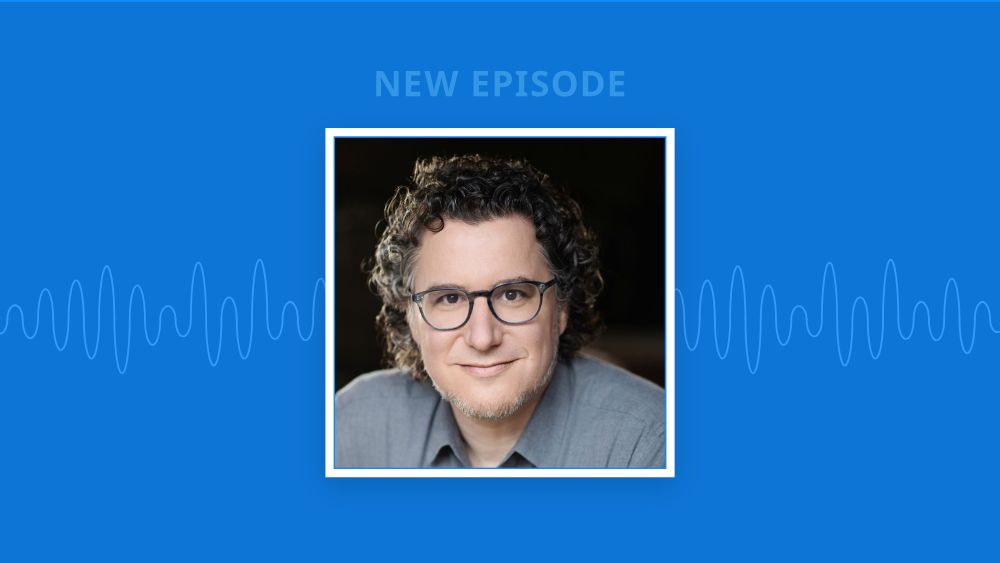

Ty Thomas spent time at an institutional real estate developer watching billions of dollars flow to either luxury developments on the one hand, and deeply subsidized affordable housing on the other.
Receiving less attention was the type of housing Thomas had enjoyed early in his career: workforce housing. So, he set out to fill that gap.
Thomas launched Primary Housing at the end of last year to acquire and preserve naturally occurring affordable housing, or NOAH — market-rate assets that happen to be affordable to households earning 80% of area median income or below. Such projects carry no formal affordability restrictions. NOAH is a segment of the affordable housing market that, without intervention, is at risk of disappearing as aging buildings are renovated into luxury apartments or fall into disrepair.
Emerging manager
After business school, Thomas secured a $1,300 a month rent-stabilized apartment in a new building in New York. The construction had benefited from public tax incentives. Thomas says the experience inspired him to pursue a career in affordable housing.
“I thought, If I get a chance to do something like this, I want to do it,” Thomas tells David Bank on the latest Agents of Impact podcast. “There’s middle-income households out there that don’t qualify for affordable housing. I can help them.”
With NOAH, he believes he’s found his lane. With the right alignment of incentives, he says, investments in these assets can provide private investors with competitive outperformance.
“Many owners on the private side are leaving money on the table,” says Thomas. “That’s because they may not have the sophistication or the relationships to be able to underwrite these types of public-private partnerships or incentives.”
Launching a housing fund is one challenge. Doing it for the first time is another. Thomas is considered an emerging manager, a category that can obscure the experience many first-time managers bring from larger institutions. Thomas himself spent years structuring affordable housing deals and public-private partnerships before striking out on his own.
Rather than immediately pursuing institutional fund commitments, Primary Housing is focused on proving its model through partnerships and acquisitions. Thomas plans to purchase workforce housing properties, make targeted improvements to them and work with municipalities to secure incentives such as tax abatements or below-market financing in exchange for long-term affordability commitments.
Preservation pipeline
In some municipalities, emerging-manager programs allow smaller developers to partner with larger firms and compete for public funding opportunities. “We’ve been able to work with certain cities like San Diego and become identified as an emerging manager, or in this case an emerging developer, which allows us to become eligible to co-GP with larger developers,” he says.
That approach is helping Primary Housing build a pipeline in California, Tennessee and North Carolina, where Thomas says growing housing shortages are creating demand for preservation strategies. The company has identified roughly $20 billion worth of potential acquisition opportunities across those markets.
“What we’re focused on in the next 12 to 14 months is continuing to build out those relationships with local municipalities where we’re able to get access to certain funding sources that either make a development possible or make an acquisition opportunity feasible,” he says.
Get every ImpactAlpha podcast in your feed by subscribing on Apple, Spotify or YouTube.