Nature-based solutions are gaining recognition as a crucial avenue to address the pressing challenges of climate change and biodiversity loss, while actively involving the communities.
These solutions, which involve the protection, restoration and sustainable management of ecosystems, present a unique opportunity to mitigate climate risks and enhance resilience. Endowed with rich biodiversity and vital ecosystems, Latin America is in a prime position to emerge as a leader in the adoption and implementation of nature-based solutions.
The region faces a unique opportunity to attract investments that drive sustainable development and minimize the negative impact on the climate and the environment. Nature-based solutions, green technology and other climate-related initiatives are capturing the attention of investors seeking financial returns along with positive impact.
Nature-based economy
Here are some specific examples of nature-based and green technologies that are attracting investments and investment and minimizing climate impact in Latin America.
- Nature-based carbon markets: Latin America is home to vast forests and other ecosystems that can capture significant amounts of carbon. According to the Development Bank of Latin America and the Caribbean – CAF, the carbon market in the region is the second largest source of greenhouse gas emissions reductions in the world, generating approximately 20% of all carbon credits in 2020 and 2021. Nature-based carbon sequestration projects, such as reforestation, afforestation, and sustainable agricultural practices, generate carbon credits that can be sold to companies seeking to offset their greenhouse gas emissions. This activity not only supports climate change mitigation efforts, but also provides additional benefits such as biodiversity conservation, improved water resources, and supporting the livelihoods of local communities.
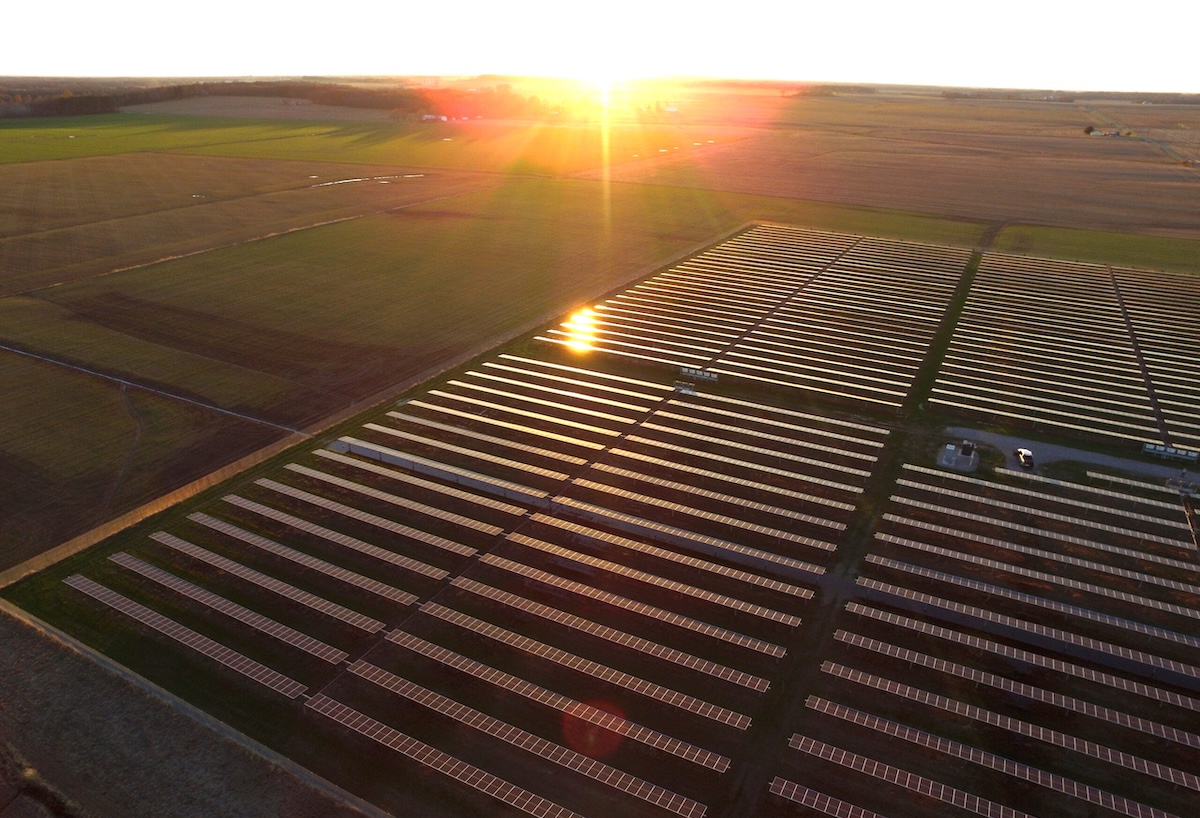
- Renewable energy: The region is rich in sunlight, wind resources, and hydropower, making it an attractive destination for investments in clean energy projects. Growth in electricity demand and the potential for clean energy generation have attracted considerable investment in large-scale solar, wind, and hydroelectric projects. According to the International Energy Agency – IEA, investments in the clean energy sector in the region is estimated to grow from $4 billion in 2024 to $31 billio by 2030.
- Bioeconomy: Countries in the region are focusing on the sustainable use of biological resources, such as agriculture, forestry, and fisheries, to create value-added products while reducing reliance on fossil fuels. Initiatives like bioenergy production, sustainable agriculture, and bioproduct development are not only enhancing food security but also fostering innovation and job creation. The Green Finance for Latin America and the Caribbean – GFL estimates that sustainable food and land use-business models under the bioeconomy sector in the region, could be worth up to 2.3 trillion USD per year and provide over 70 million jobs by 2030.
Blended finance
Unlocking these opportunities requires the participation of a wide range of actors, including governments, companies, local communities, and international financial institutions.
Projects in these sectors often involve long lead times, higher perceived risks, and complex revenue models, making it difficult to attract traditional investments. To overcome these obstacles, blended finance has emerged as a crucial mechanism to catalyze investments in climate solutions in the region.
Blended finance involves the strategic use of public or philanthropic capital to mobilize private sector investments. By providing grants, guarantees, or other forms of financing on favorable terms, blended finance can help mitigate risks, improve risk-return profiles, and make projects more attractive to private investors (definition taken from Convergence).
This approach has proven effective in supporting nature-based solutions and green technology projects in Latin America, attracting investments from a broader range of investors, including banks, impact funds, and institutional investors. According to Convergence, not only does climate blended finance transactions account for about half (49%) of the blended finance market in terms of deal count and 57% of aggregate financing, but Latin America and the Caribbean is also the second region in the world with the most blended finance transactions (17%).
Green growth
Latimpacto, as a Latin American network that gathers different types of capital providers for impact, is committed to promoting collaboration, transparency, and a long-term approach to make the most of these investment opportunities in nature-based solutions.
Latimpacto is actively engaged in six strategic projects that address this topic, including climate finance, bioeconomy, decarbonization, among others. These initiatives reflect a comprehensive approach to supporting sustainable economic development while tackling environmental challenges:
1. COP16. The Conference of the Parties (COP16) that took place in Colombia between October 21st and November 1st, was a crucial opportunity to address global environmental challenges, particularly the biodiversity crisis. Along with strategic partners and members, Latimpacto was able to showcase Latin America and the Caribbean as the most biodiverse region in the world; raise awareness of the urgent need to increase financial resources dedicated to biodiversity conservation and restoration; share best practices in biodiversity financing and financial innovation; promote partnerships, alliances, and concrete funding commitments; and encourage cross-sector collaboration to develop innovative financial solutions.
2. Amazon Fellowship Program: This fellowship seeked to align public and private efforts to empower local communities and promote sustainable development in the region. Participants were able to engage in a deep exploration of the Amazon, connecting with local entrepreneurs and organizations, and learning about the challenges and opportunities of the bioeconomy in the region. By the end of the fellowship, participants created innovative prototypes that support sustainability and the bioeconomy in the Pan-Amazon region. Latimpacto hopes to replicate this program as more organizations decide to join as donors.
3. Colibrí Project: In collaboration with Argidius Foundation, this initiative is fostering innovation within the bioeconomy sector in Colombia by creating favorable growth, investment, and collaboration conditions. Proyecto Colibrí not only generates economic opportunities but also empowers local communities through accessible research, training, and platforms for diverse stakeholders to voice their perspectives.
4. Pan-Amazon Network on Bioeconomy: In collaboration with the World Resource Institute – WRI, this program aims to create a scaled, locally led economy that draws on Indigenous knowledge to promote sustainable livelihoods. The network focuses on three main areas: access to finance, knowledge production, and market access. These elements are essential to building a sustainable economy in the Amazon, ensuring local communities benefit from economic opportunities while safeguarding the environment.
5. Green Catalytic Fund: In collaboration with IDB Lab, the Green Climate Fund, Bayer Foundation, and Coca-Cola, Latimpacto launched the Green Catalytic Fund, an initiative aimed at overcoming technical, financial and knowledge-related barriers faced by bio-enterprises and green entrepreneurs in Latin America and the Caribbean, with a special focus on the Amazonian region. The Fund is mobilizing $5 million with the purpose of identifying and strengthening 11 Entrepreneurial Support Organizations that promote innovative business models and technologies focused on decarbonization and the responsible use of natural resources. By the end of the Fund’s coverage period, the 11 selected ESOs are expected to attain the following set of goals:
- Providing support to a total of 350 enterprises. It is expected that at least 40% of the total number of supported initiatives will be either led or co-led by women;
- Reduced or avoided tons of carbon dioxide equivalent (tCO₂eq): the objective by the fifth year of the Fund’s activities is that 6.2 million tons will have been captured through the different projects benefiting from its support;
- 2,500,000 hectares of land or forests under improved and effective management that contribute to reducing CO₂ emissions.
5. InNature Lab: InNatureLab, in collaboration with the Development Bank of Latin America and the Caribbean, focuses on exploring and leveraging biomimicry to find solutions focused on conserving and regenerating the Amazon and its related biomes, while promoting the sustainable socioeconomic development of local communities. This project aligns with the need to find solutions that integrate human well-being and environmental conservation.
Pivotal moment
These six projects are just an example of everything that Latimpacto promotes and can promote as an ideal partner that connects and mobilizes resources with a clear collective vision. Each initiative is crafted to tackle pressing challenges related to biodiversity, climate change, and sustainable development while empowering local communities and stakeholders to forge innovative financial pathways.
The region stands at a pivotal moment, poised to attract investments that not only drive sustainable growth but also mitigate environmental impact. These climate-focused initiatives not only spotlight Latin America as a flourishing hub for diverse investors with varied financial and impact objectives but also set a powerful precedent for a collaborative future where ecological stewardship and economic prosperity go hand in hand.
The time is now for investors, DFIs, governments, corporations, philanthropists, and investment funds, among other actors, to engage with these transformative opportunities and contribute to a resilient and sustainable region.
Manuela Jimenez is a knowledge and research professional at Latimpacto