Generation Investment Management has been charting the steady advance of energy transition investment for nearly a decade. In 2023, the mood was jubilant, with Generation “calling a moment,” as we reported.
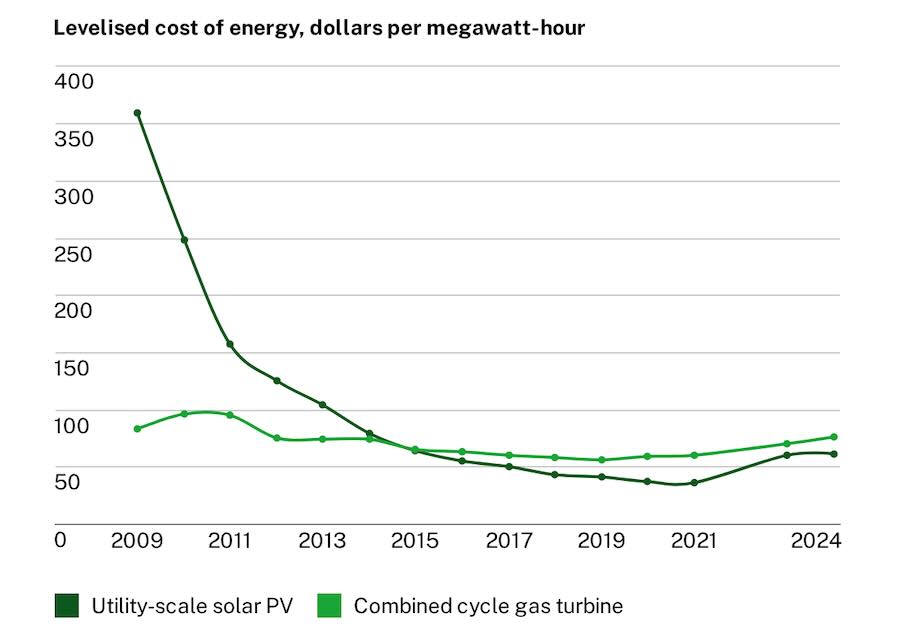
The plunging prices for solar and batteries are still driving the energy transition in many parts of the world, as shown by one chart in this year’s report, and EV sales continue to surge (though not in the US).
But Generation’s ninth annual Sustainability Trends Report lands amid the rollback of climate action and funding by the Trump administration. The report opens with a stark question: Does ambitious global climate action require the Americans? Or, can it survive without them?
“The country that ought to be doing the most is now doing the least,” write Al Gore and David Blood in the introduction.
The US exit has thrown industries into turmoil – an estimated $30 billion of investment in EV, battery, clean energy and other projects have been cancelled. A fossil-fuel axis of Russia, Saudi Arabia and the US could undermine the global climate talks in Brazil coming up in November, as they did at COP25 in 2019.
The charts also show data center demand for electricity that is keeping fossil-fuel generation going and the bursting of the green hydrogen bubble that has slowed the decarbonization of heavy industry. Yet the favorable economics of clean power are driving the energy transition in much of the globe.
“Bleak as the situation may seem right now, we refuse to surrender to the politics of fear and cynicism,” write Gore and Blood. “The opponents of the energy transition can slow it down, but we do not believe they can stop it.”
All eyes on China and emerging markets
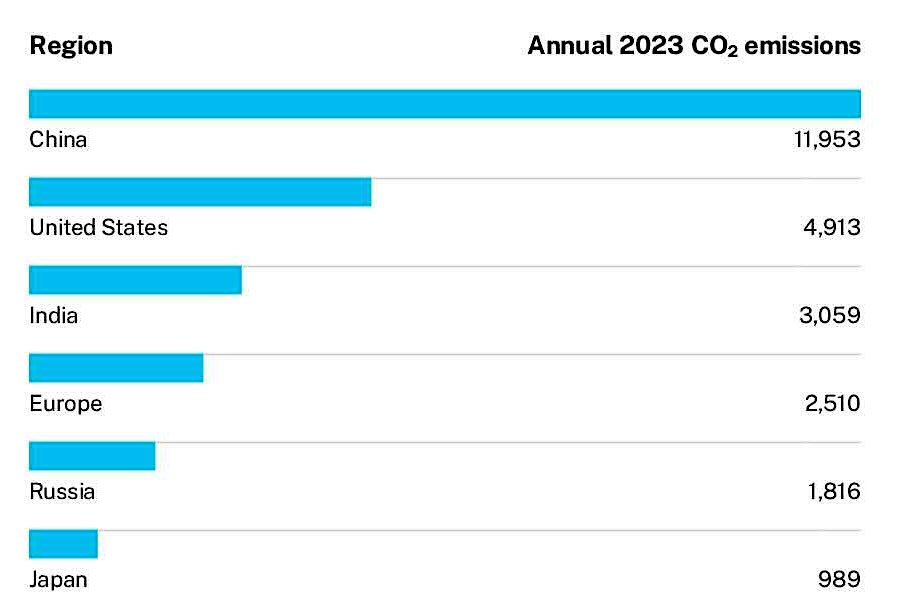
Source: Global Carbon Project
The US is the largest historical emitter of planet-warming greenhouse gas emissions. But over the years, environmental policies and a shift to cleaner power sources have led to a reduction. Today, China is by far the largest polluter, even as it adds massive amounts of renewable energy and supplies the world with low-cost solar panels and EVs. And future emissions growth will be driven by fast-growing developing markets.
The International Energy Agency forecasts that $2.2 trillion will be spent to develop clean energy this year, compared to $1.1 trillion on extracting fossil fuels.
The upshot: “action — or inaction — by the United States is no longer decisive in determining the long-term fate of the planet,” writes Generation. “Other countries, if they choose to do so, have the power to get the climate problem largely under control while the Americans sulk in the corner.”
California’s battery-powered grid
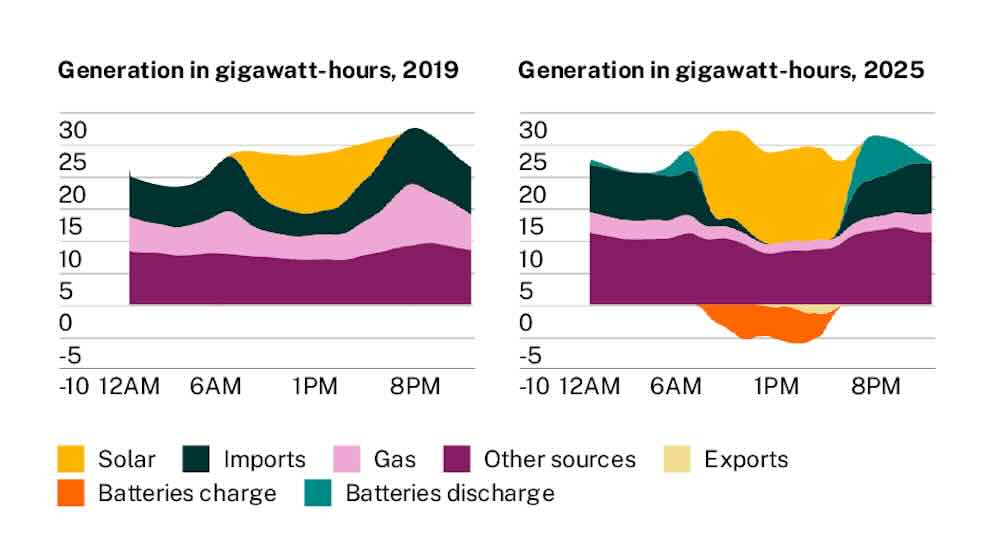
Source: GridStatus
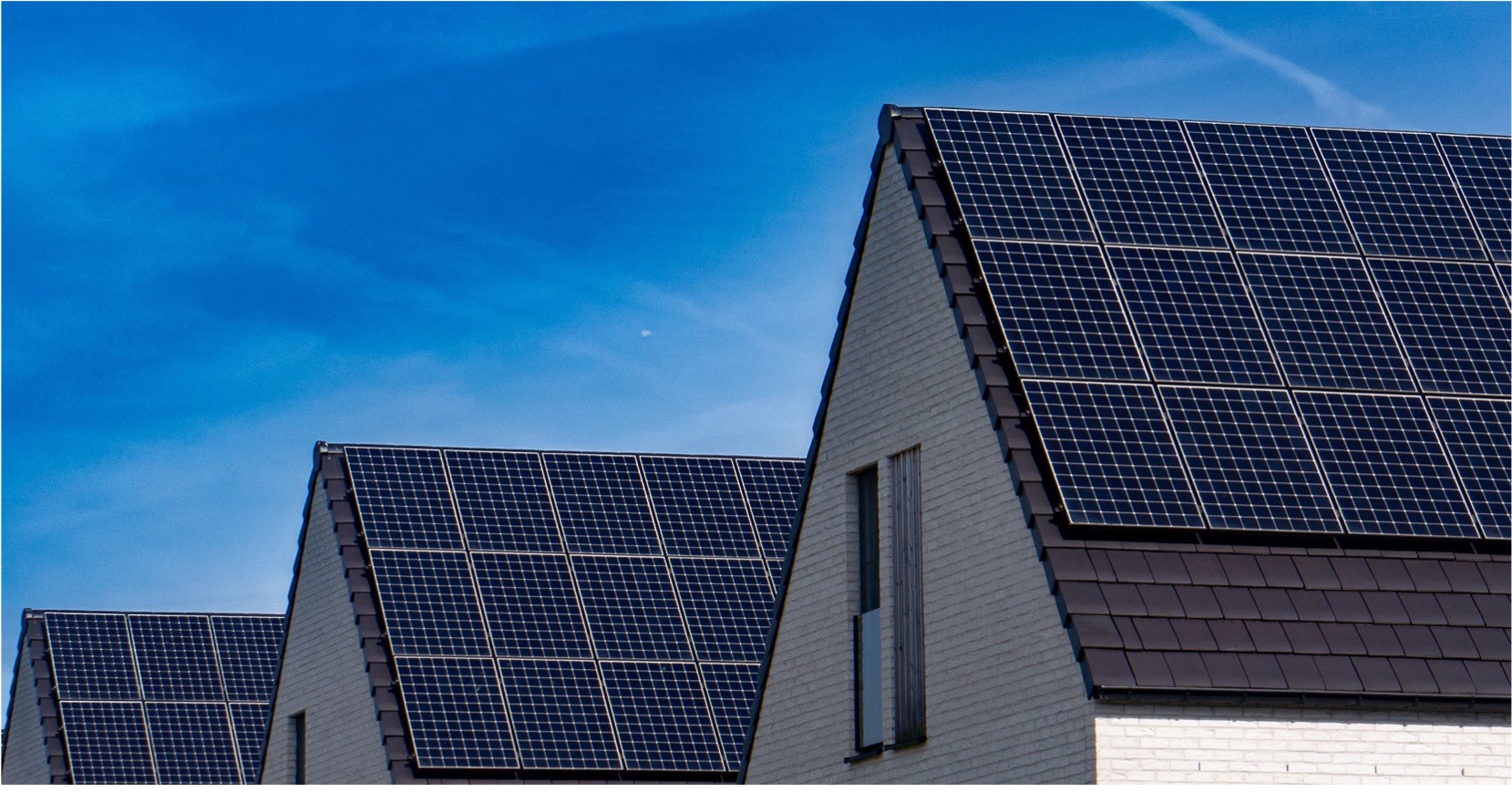
The costs of solar power continue to fall dramatically, driving adoption around the world. Countries such as Pakistan have embraced low-cost Chinese panels to ease costs and electricity burdens and gain a measure of energy security.
Now, low-cost battery technology is filling in when the sun doesn’t shine or the wind doesn’t blow, making battery + storage a go-to energy source. The chart on the left shows California’s electrical generation profile on 1 April 2019, while the chart on the right shows the profile on 1 April 2025. Batteries now charge during the day and discharge in the early evening, displacing gas-fired power plants, notes Generation.
Transition leaders and laggards
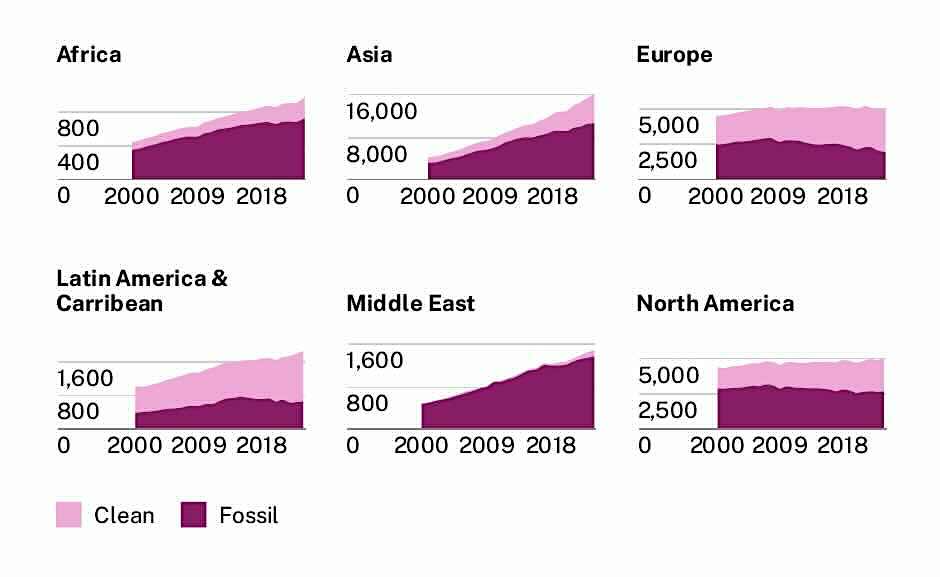
Source: Ember
China grabs the spotlight for its clean energy boom, but other regions are ahead of it in the proportion of their power being supplied by renewables. Imports of Chinese solar panels are rising in virtually every African country, a reflection in part of their growing affordability as prices continue to fall, reports Generation.
AI drives power demand — and emissions reductions?
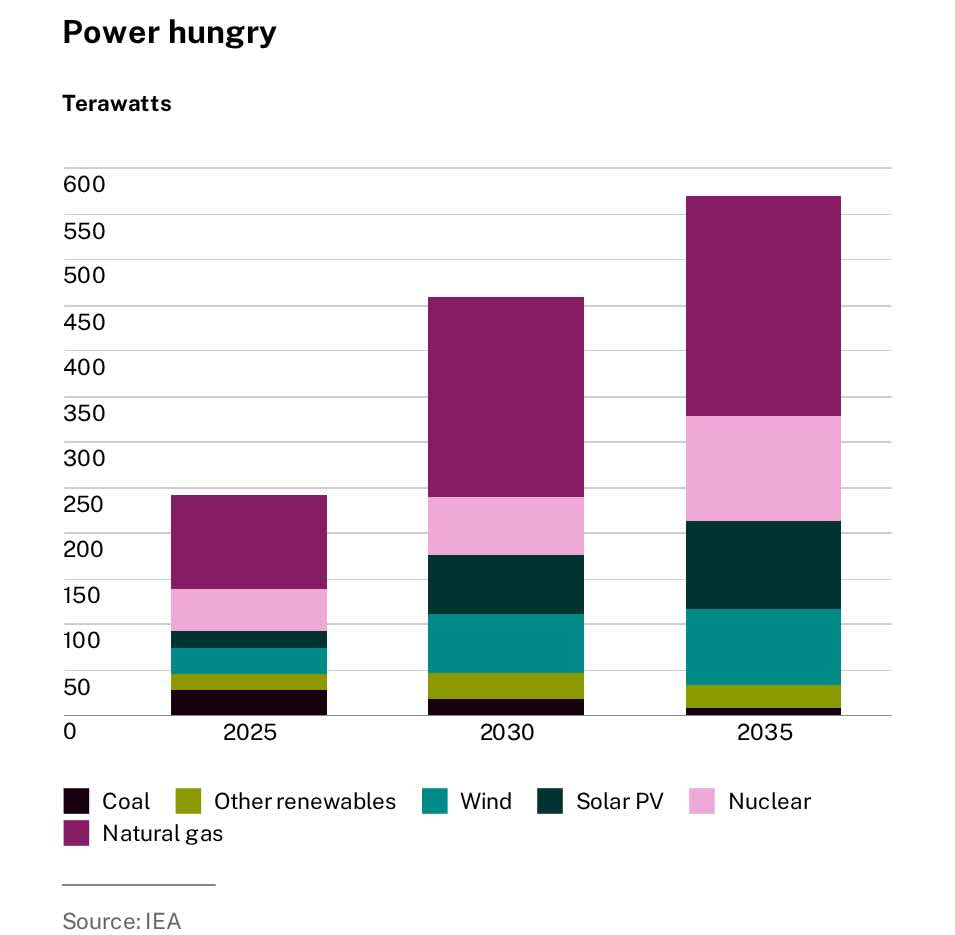
Source: IEA forecast
Voracious AI data centers are scrambling the energy equation, fueling new demand for baseload power that is expected to boost the use of methane gas and even coal for decades to come and drive up electricity prices. Generation also sees potential upside if AI is used to make power, transportation and food more efficient. AI applications across those systems could lower global emissions by up to 10% annually by 2035, more than offsetting the projected emissions from AI’s energy use.
Generation cites one of its portfolio companies, WEKA, which has helped customers avoid more than 358,000 tons of emissions in 2024 by reducing hardware requirements for advanced computing workloads by up to 90%.
The report also touches upon the social impact of AI as it becomes embedded in the infrastructure of healthcare, finance and education. “The critical question is not whether AI will shape our systems, but how we choose to shape AI. That choice will determine whether these technologies reinforce fragility and inequality, or help build resilience, equity and human flourishing.”
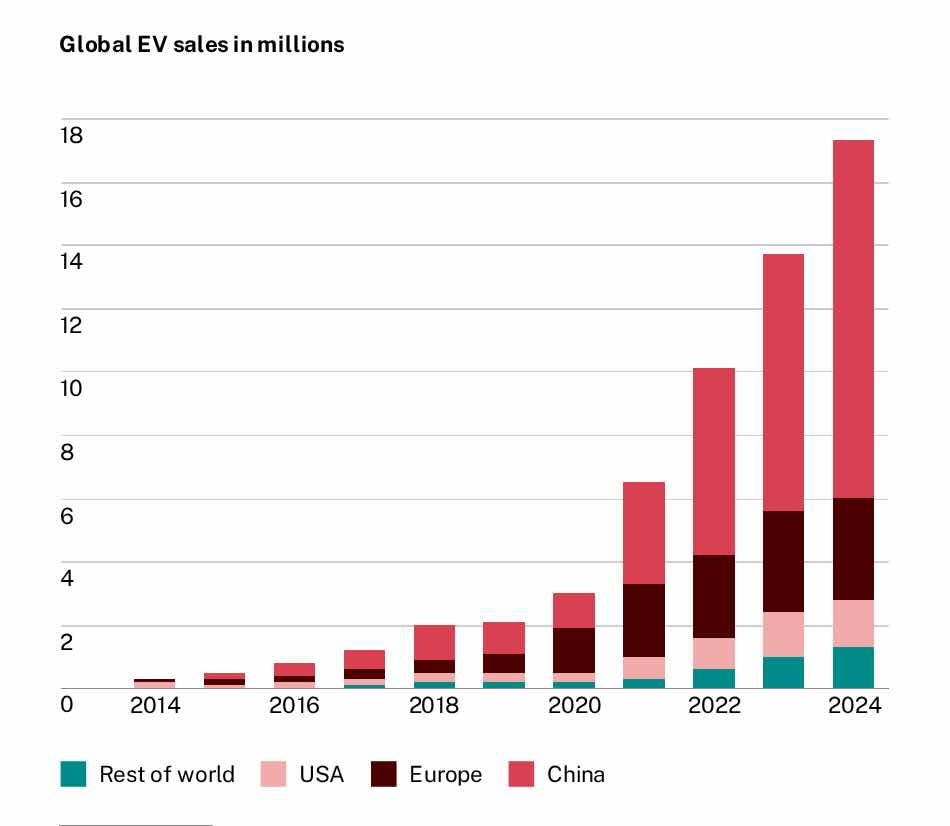
Electric cars are humming
Source: IEA
The US may be trying to put the kibosh on EVs, but China is churning out low cost, high quality EVs that are being snapped up around the world. The IEA forecasts that electric cars will make up 25% of all cars sold in the world this year. Road transportation is by far the largest source of global emissions, dwarfing aviation and shipping, so the shift to EVs is critical for lowering emissions.
Circular fashion
Source: Textile Exchange
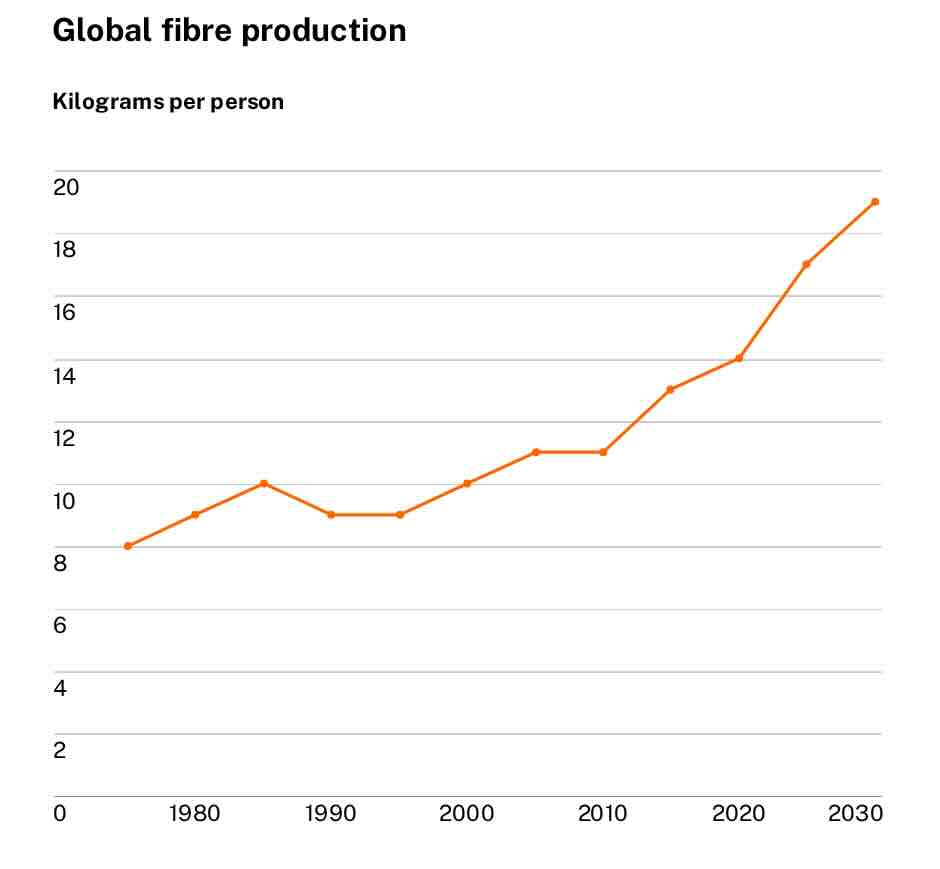
The industrial sector is lagging in the decarbonization race. Out: overhyped hydrogen. In: clean ammonia. In addition to heavy emitting sectors like cement and manufacturing, the fashion industry is also a culprit. Cheap “fast fashion” made largely from petroleum-based fibers has ushered in a disposable consumption culture, where clothing may be worn a season and then discarded.
Some fashion brands and nonprofits are taking the lead in sustainable fashion, creating circular economies, sustainable materials and reducing waste.
Built environment
Source: IEA
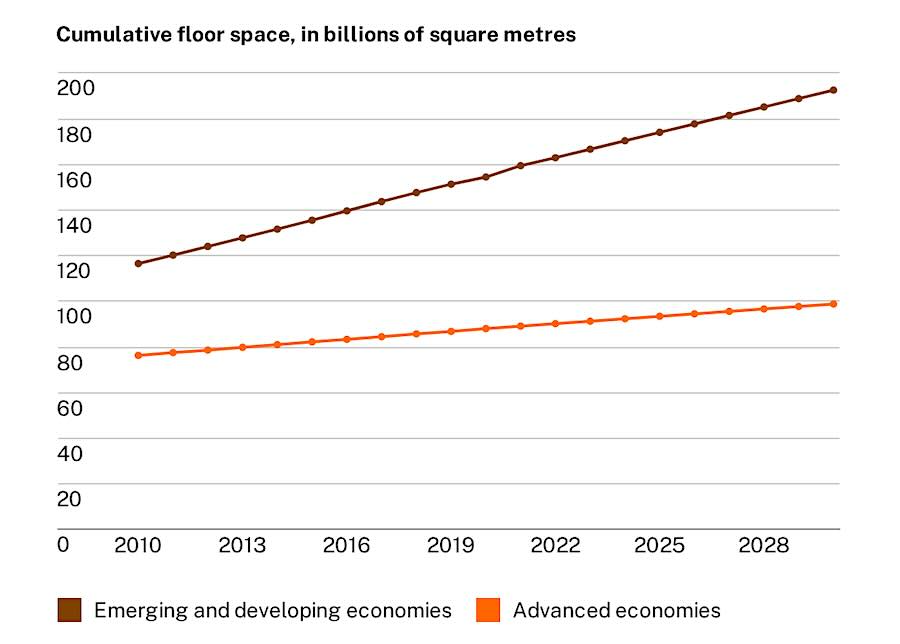
Buildings generate more than a third of global emissions. Like energy consumption, most new building growth is happening in the developing world, often in places where building codes and environmental policies are lax. Also like energy, efforts to improve the world’s buildings are running into major headwinds: a global housing affordability crisis. Generation advocates for strong building codes to ensure that newly constructed buildings minimize energy use, and performance standards for existing buildings that encourage energy efficiency retrofits.
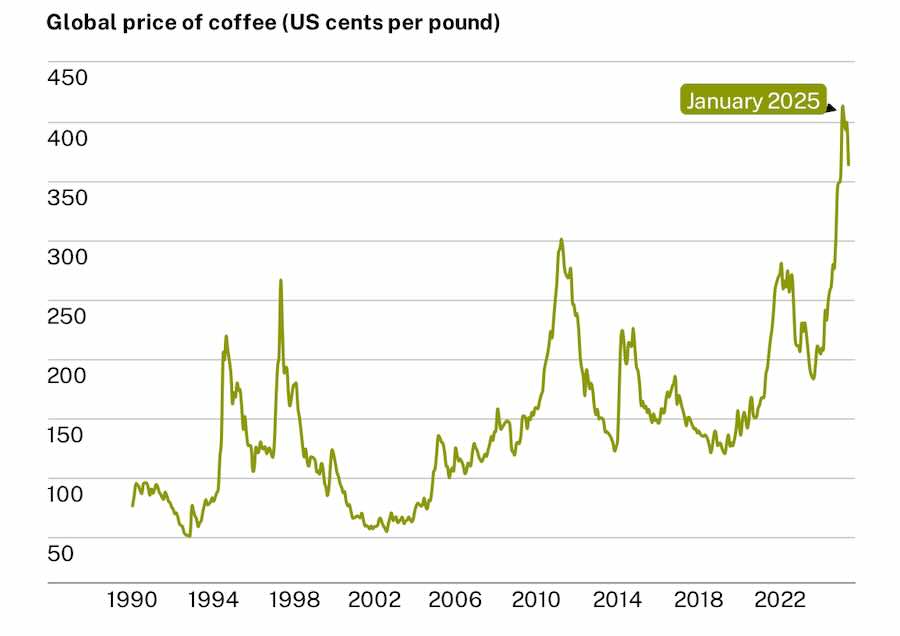
Rebound in food insecurity
Source: FRED
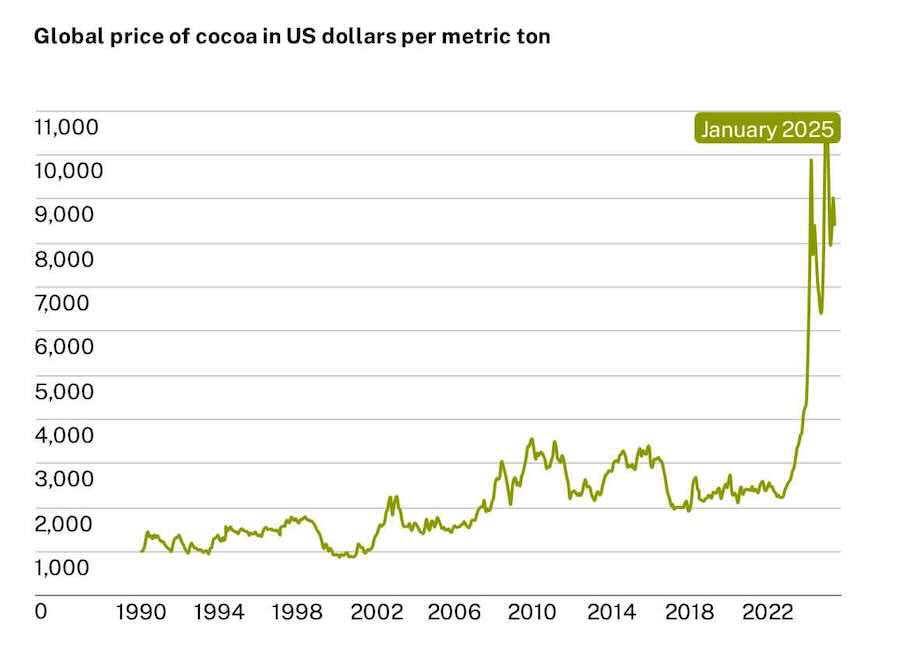
The transition in how we use land is as important as the energy transition. Industrial agriculture has denuded forests, degraded soil, and filled the planet with pesticides. Generation cites “an urgent double imperative: to increase the supply of food for a global population expected to peak above 10 billion, and to save what is left of wild nature even as we do so.”
That requires a tricky balance of improving the food system while removing land from agricultural use. Some 2.3 billion people faced moderate to severe food insecurity in 2024, and 8% of the world’s population is undernourished. “The excesses, the waste, the pervasive inefficiencies, the overuse of chemicals in today’s food system — all need to be squeezed out,” say the authors.
Road to COP30
Source: Adapted from Climate Policy Initiative
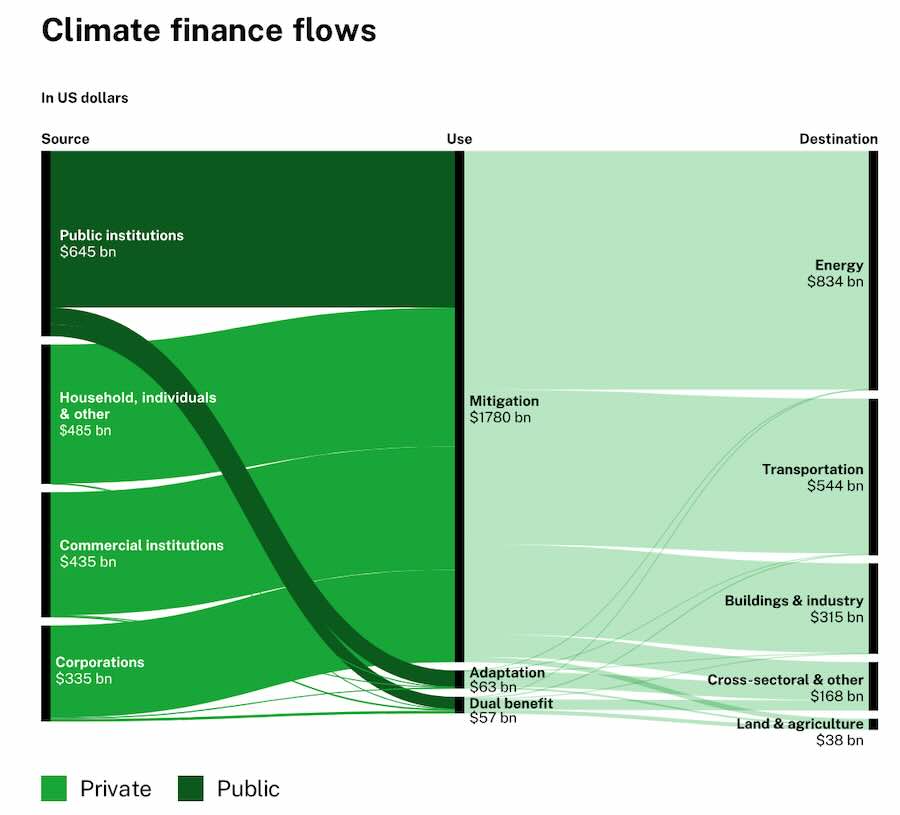
These themes will shape the COP30 global climate talks in Belem, Brazil later this year. With public finance for the sustainability transition under pressure from strained budgets shifting priorities and a populist revolt, the private sector will be critical to success.
A ‘Baku-to-Belém Roadmap’ aims to scale up public and private funding for the energy transition to $1.3 trillion by 2035. That includes a new focus on helping countries adapt to the here-and-now effects of climate change, particularly for vulnerable regions that contributed little to the accumulation of greenhouse gasses. Today just 7 percent of total climate finance is directed towards adaptation.
Nature-based solutions, which can lower abate emissions as well as improve crop resilience, cool cities or reduce flood risks, will be a key focus in Brazil, and “may offer a scalable route to both mitigation and adaptation,” says Generation. Another potential bright spot: Brazil’s Tropical Forest Forever Facility, which would reward countries for protecting and restoring their forests.