Reflect Orbital is developing a constellation of low-orbit satellites designed to reflect sunlight down onto a precise location on earth for large-scale, on-demand lighting and energy. The Los Angeles-based company says it has received over 260,000 applications from potential customers in 157 countries for what it calls “sunlight as a service” agreements to deliver space-based lighting and energy to Earthly customers.
Reflect Orbital’s “on-demand illumination technology has the potential to reshape how we solve problems on earth—from critical operations to energy resilience,” said Josh Wolfe of Lux Capital, which led the company’s Series A round, alongside Sequoia Capital and Starship Ventures. Reflect Orbital plans to launch its first satellite by this time next year to provide lighting for remote operations, defense, civil infrastructure and energy generation.
Lux has backed companies including Saildrone, which deploys a fleet of ocean-going drones to collect vital ocean data, Osmo, a maker of environmentally-friendly fragrances, and Maven Clinic, a women’s health clinic.
Solar after dark
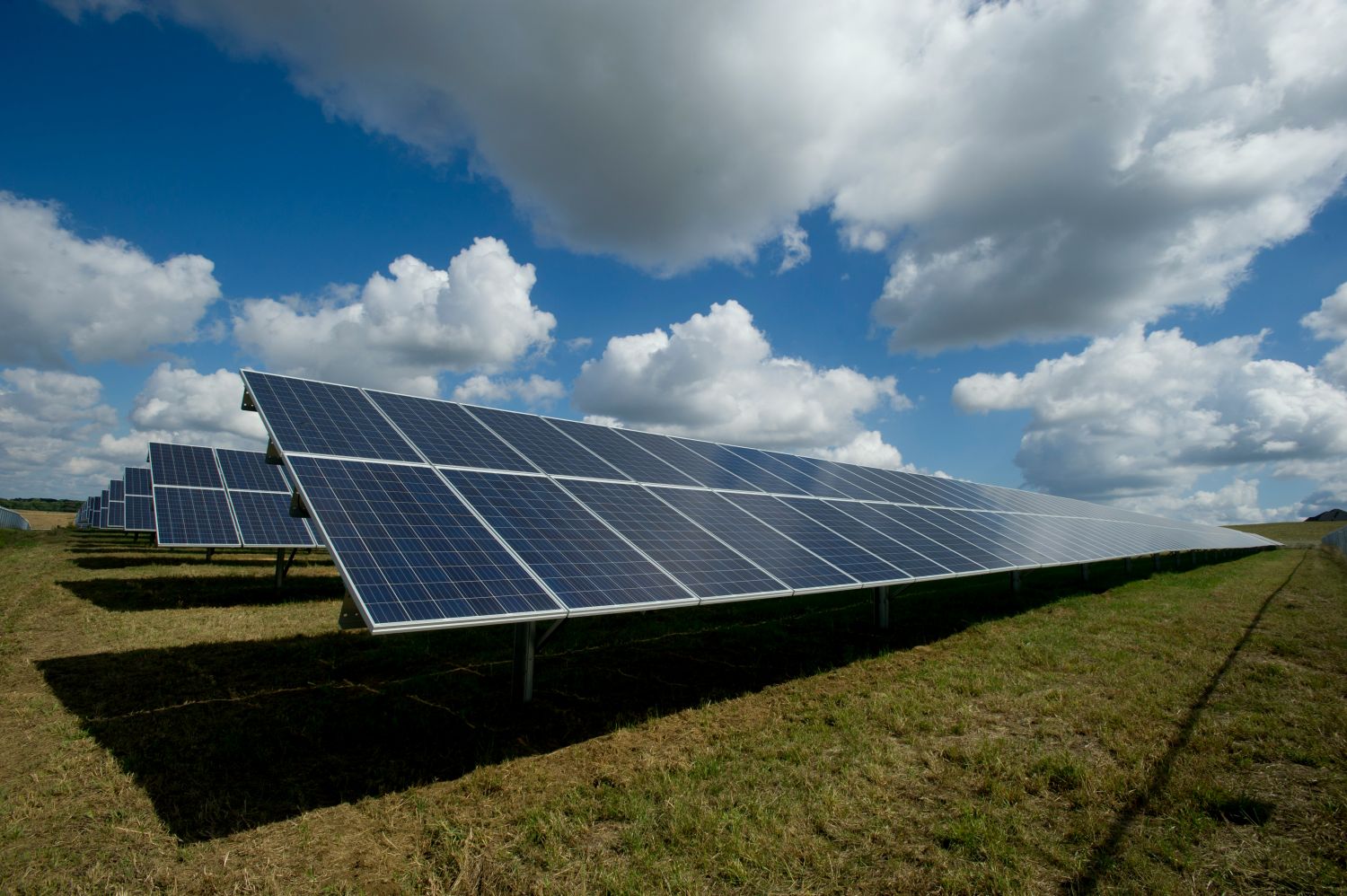
Venture capital investors are beginning to buy into the concept of space-based solar power — collecting solar energy in space and transmitting it down to earth — as a potentially unlimited and uninterrupted source of clean energy.
Drawing energy from the sun in space can solve critical generation issues including solar power intermittency and limited land for large solar farms.
Just last month, California-based Aetherflux raised $50 million in Series A funding to develop small satellites that transmit solar power to ground substations via infrared lasers. Aetherflux received capital from Breakthrough Energy Ventures, Andreessen Horowitz and other backers.
Space infrastructure
Solestial, a Tempe, Ariz.-based company developing ultrathin, low-mass solar panels that convert sunlight into electricity for spacecraft power systems, has raised $17 million in Series A funding from Mitsubishi Electric Corp.’s ME Innovation Fund, AE, Crosscut, Zeon and Airbus Ventures.
Solestial says the solar cells in the modules are engineered to weather up to 10 years of harsh space conditions, and can self heal at operating temperatures as low as 65°C.
Celestial is seeking “to revolutionize low-cost, lightweight solar power for space,” said Airbus Ventures’ Mat Costes. “The market applications for this technology are robust, fast accelerating.”