
American philanthropy touts its love for innovation, proudly showcasing buzzwords like “disruption,” “moonshots” and “scale” in annual reports. Yet, for those of us striving to create transformative solutions, these lofty ideals often fail to translate into actual funding, particularly for initiatives aimed at uplifting historically marginalized communities.
The hard truth is that US philanthropy stifles nonprofit visionaries with a funding model that prioritizes stability and incremental growth over high-risk, high-reward social impact. It lacks a unified definition of value, leading stewards of philanthropic capital to fund safe bets and avoid bold ones.
We need a fundamental shift in how philanthropic dollars are invested in individuals committed to creating meaningful systemic change for all communities. Let’s rally behind bold bets on imaginative ideas. Let’s empower the builders and the risk-takers tackling systemic challenges with urgency, creativity and dedicated passion.
The cost of playing it safe
Philanthropy’s cautious approach is suffocating nonprofit founders who dare to think big and act swiftly. And it’s costing us. The big challenges we face – from generational poverty to the climate crisis to racial inequity – need the leaders who are currently stifled by this culture.
American free market principles reward profit-seeking visionaries poised to take risks, scale rapidly, and deliver returns to stakeholders. Unfortunately, while traditional ventures reward disruption and calculated risk-taking, foundations, charities and grantmakers far too often ignore high-risk, high-reward social ventures, leaving start-up social enterprises underfunded and locked into cycles of gradual change.
Chasing moonshots with pocket change
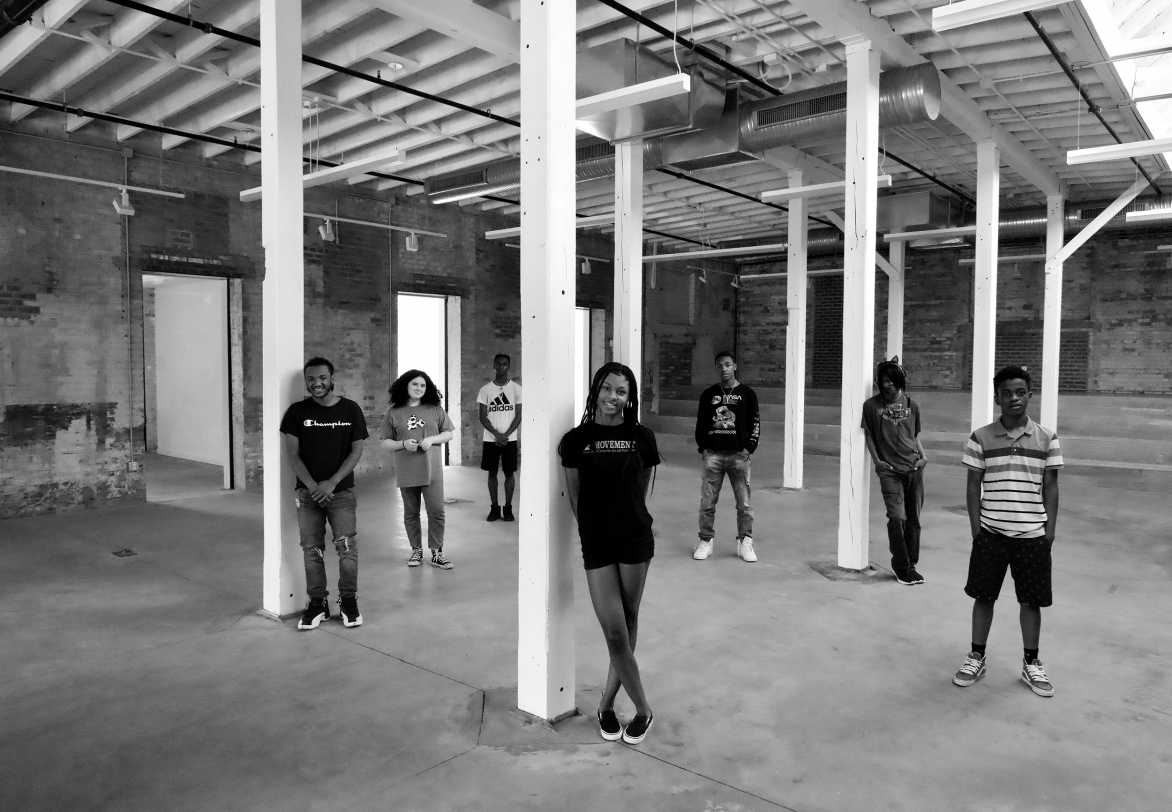
Take my non-profit, NXTHVN, a groundbreaking arts initiative I co-founded in New Haven’s Dixwell neighborhood. We repurposed two dilapidated manufacturing plants and built a year-long fellowship program for emerging artists and curators, channeling capital into a historically under-invested Black community. It’s a business model that attracts funding to champion economic justice and community transformation at the intersection of art, entrepreneurship and neighborhood revitalization.
Despite our global recognition and secured funding, we continue to face barriers to the unrestricted growth capital needed to deliver programs and build lasting infrastructure that will drive meaningful, generational social change.
Imagine if Steve Jobs or Jeff Bezos had built a nonprofit instead of Apple and Amazon. Would they have raised sufficient capital, been encouraged to invest in long-term resources, or been provided the freedom to pivot in pursuit of creative ideas? Probably not. This underscores the insidious practices that hinder social-sector entrepreneurs from chasing moonshots, forcing them to settle for less risky pilot projects and panel discussions.
In the venture world, early-stage investors expect failure before success and provide capital anyway. They look for leaders with vision, not just proven track records. Imagine if nonprofit leaders were given the same freedom to iterate, take risks, and build infrastructure with long-term value in mind. Instead, they’re often burdened by year-to-year grant cycles, excessive reporting requirements, and donor-driven priorities that keep them in survival mode.
Scarcity thinking is burning out bold leaders
My views are grounded in the hard realities of systemic challenges plaguing fundraising for transformational social impact. The data speaks volumes: philanthropic portfolios allocate a mere 10 percent of their funds to radical innovation, with the majority funneled into legacy programs deemed “safe.” This scarcity mindset doesn’t just stall progress; it burns people out. It leads brilliant, mission-driven founders to compromise their visions, defer their growth, or walk away entirely.
For organizations headed by Black or Indigenous leaders – or those from other underserved communities – the disparities are even more stark, with access to financial resources nearly four times smaller than that of their white counterparts. Let’s not forget the countless BIPOC organizations that lack endowments to support their missions, placing them in a precarious position of relying solely on programmatic fundraising strategies. Creativity and innovation can’t thrive when leaders are forced to spend more time chasing funding than solving problems. And communities pay the price.
Time to bet on big ideas
Rather than revising outdated funding practices, the traditional philanthropy network often perpetuates them. Foundations direct most funding to large, well-established, and often white-led institutions. Philanthropy is missing major opportunities by continuing to invest in the same institutions year after year. We need to apply the same investment principles followed by investors who backed Steve Jobs to support the leaders poised to drive transformational change.
If we want real, lasting change, we must stop rewarding caution and begin supporting bold ideas with bold investments. The question is not whether communities are ready to lead transformative work — they are. The real question is whether philanthropy is willing to take the necessary risks to support them.
Jason Price is an entrepreneur, social impact investor, and co-founder of NXTHVN.