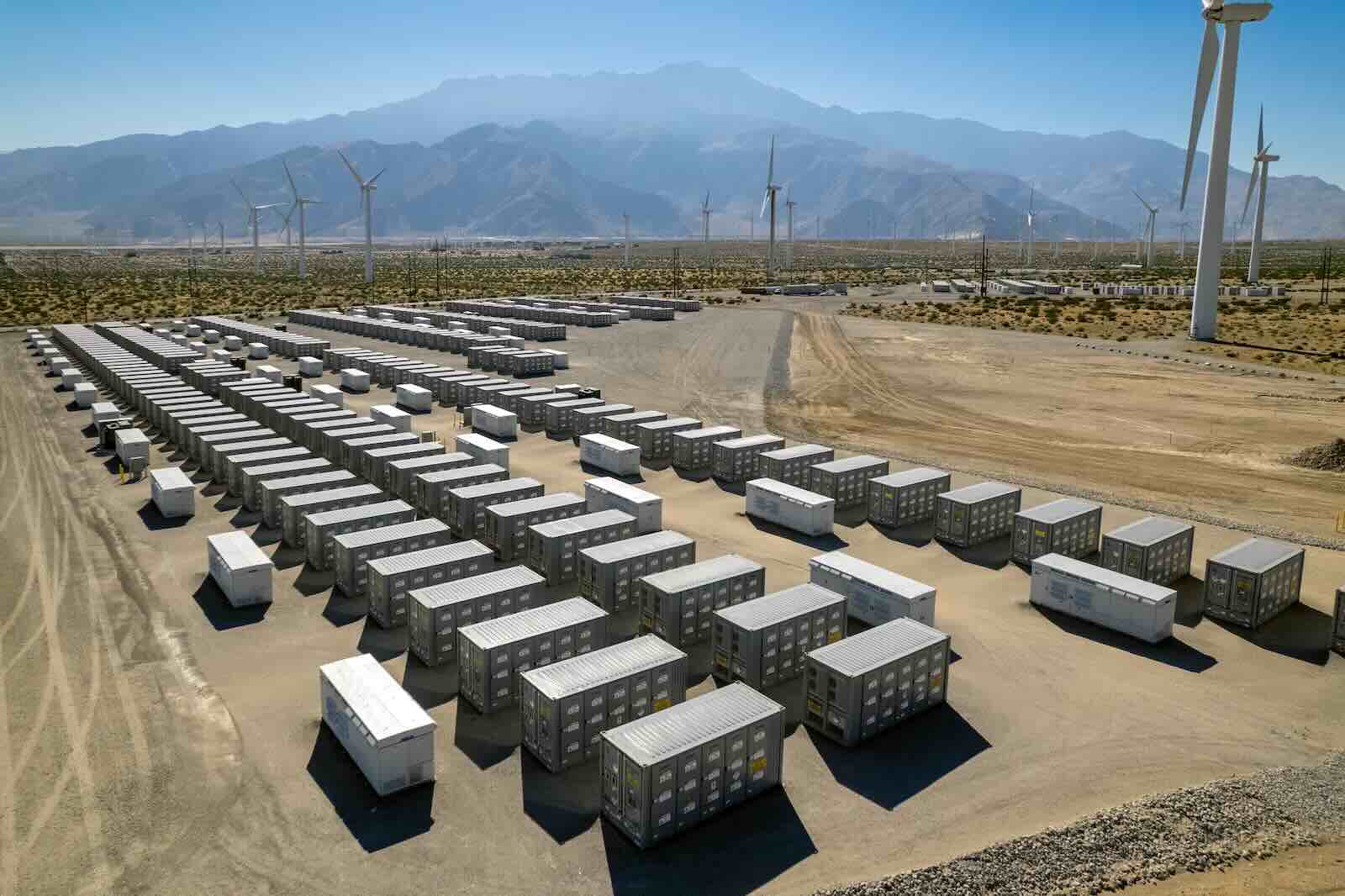

Move over lithium ion. Sodium ion batteries have been catching on as an alternative, mainly for renewable energy storage, to lithium-ion batteries that dominate today.
Lithium-ion batteries, while lightweight and energy dense, rely on environmentally damaging mining operations mostly outside the US. In comparison, the main ingredient in sodium ion batteries, soda ash, is cheap and abundant.
Peak Energy, a sodium ion battery-based utility scale storage startup that launched last fall, has raised a $55 million Series A round. Temasek’s early-stage “deep tech” investing unit, Xora Innovation, led the round.
“The need for a new utility-scale storage standard is not a decade away, it’s right now,” said Xora Innovation’s Phil Inagaki.
For TDK Ventures, which re-upped in the deal, Peak Energy fits into its investment thesis of overlooked “challenger technologies” that don’t rely on global supply chains.
Fueled by the growth in renewable energy, battery storage in the US is expected to surge to more than 31 gigawatts by the end of 2024, an 80% increase over 2023.
Sodium ion race
Denver-based Peak Energy will use the funding to deploy its batteries at six customers sites and support a planned gigafactory. Santa Clara, Calif-based Natron Energy started producing sodium ion batteries in Michigan in April.
Earlier this year, China, which has an early lead in sodium ion batteries, opened the world’s largest such battery storage facility in Hubei province.
Building a better battery
Sodium ion is just one of the alternative chemistries startups are exploring in the quest for cheap, efficient energy storage.
Form Energy’s grid-connected batteries are made of low-cost iron, water, and air and can store energy for 100 hours. The Somerville, Mass.-based company is backed by TPG Rise Climate, Energy Impact Partners, Breakthrough Energy Ventures and The Engine, among other investors. Form is said to be raising up to $500 million to produce batteries capable of multi-day energy storage.
Portland, Ore.-based ZincFive uses nickel and zinc for what it says are safer and cheaper batteries. Fourth Power forgoes rare materials for graphite.