As climate action moves from the margins to the core of corporate strategy, the world is watching how companies respond not only through pledges, but through tangible value chain transformation. While carbon offsetting has historically dominated the corporate decarbonization playbook, a more integrated approach is gaining traction: carbon insetting.
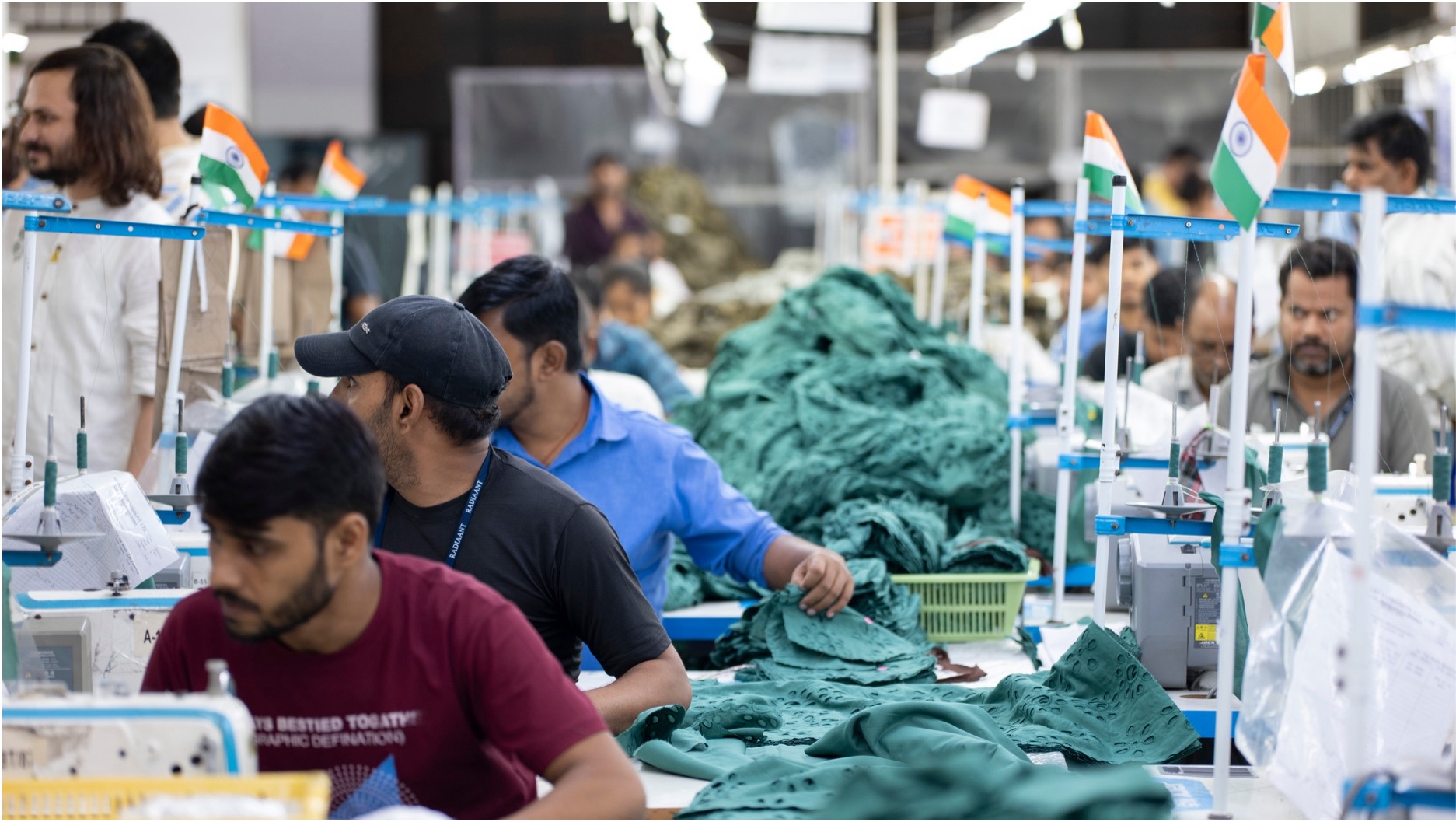
Carbon insetting embeds climate action into a company’s own operations and supply chains, particularly Scope 3 emissions, which represent on average 11.4 times higher than direct emissions according to CDP. In some industries, Scope 3 emissions account for more than 90% of the carbon footprint.
In Latin America, this strategy is not just an opportunity but a critical need: the region contains over 50% of the world’s tropical forests and faces some of the highest deforestation rates globally, losing close to 5 million hectares of forest annually. At the same time, new global rules such as the EU Deforestation Regulation are reshaping trade and compliance.
Through carbon insetting, companies like Bayer and Natura are aiming to meet net-zero targets while contributing to nature conservation, local development, and supply chain resilience.
What is carbon insetting?
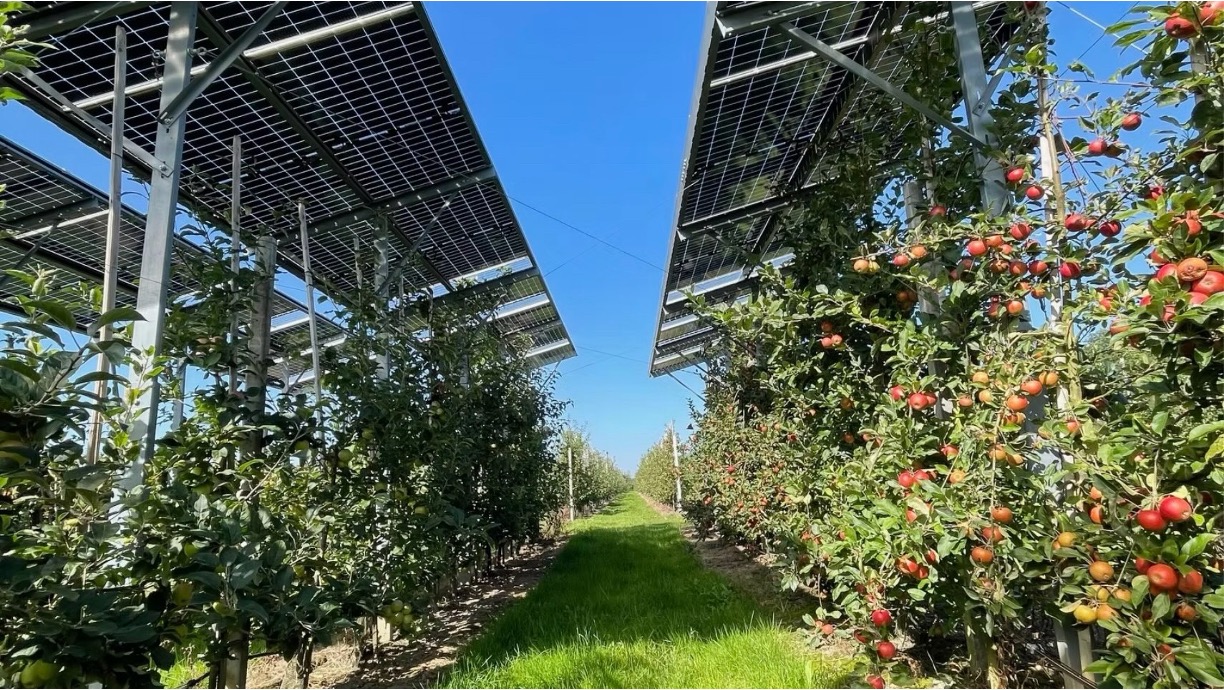
Unlike offsetting, which compensates emissions via unrelated external projects, insetting focuses on emission reductions within a company’s value chain. This includes actions like regenerative agriculture, agroforestry, circular product design, and sustainable sourcing. The Science Based Targets initiative emphasizes that addressing Scope 3 is essential for credible net-zero strategies.
Beyond climate benefits, insetting strengthens supplier relationships, enhances brand reputation, improves compliance readiness, and creates shared value across the chain. For companies operating in or sourcing from Latin America, it also aligns with social equity goals: more than 40 million people in the region depend directly on forests for their livelihoods, many of them Indigenous and rural communities managing critical ecosystems.
Corporate leaders
A study led by Latimpacto, in collaboration with IDB Lab and corporate partners, explored insetting initiatives in Argentina, Brazil, Mexico, and the Amazon Basin. The findings reveal diverse approaches with one common thread: integrating sustainability as a core business function.
Bayer: Agroforestry in the Gran Chaco (Argentina). Bayer works with soy producers to implement regenerative practices, rotational cropping, cover crops, and minimal tillage, that restore soils and sequester carbon. In pilot projects covering more than 15,000 hectares, these practices have improved soil organic carbon by 20% in less than five years. Co-investment with suppliers reduces the capital burden and fosters long-term commitment to sustainability.
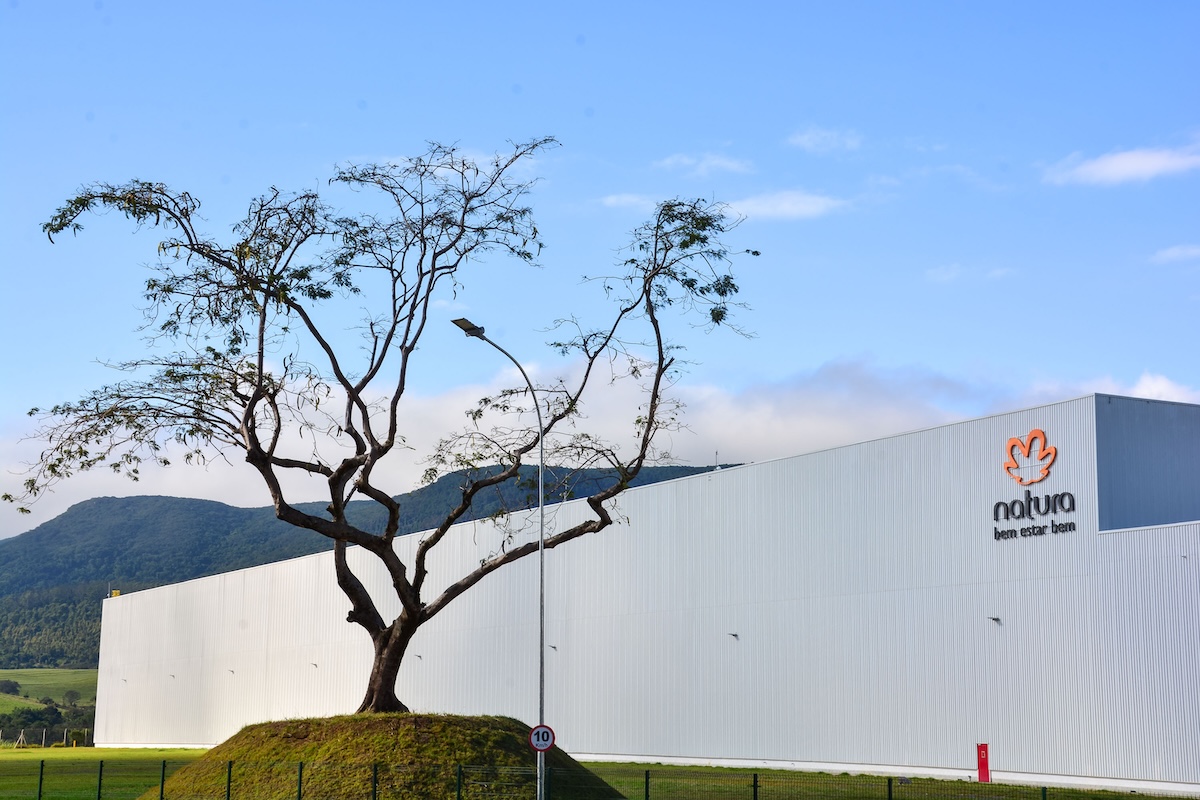
Natura: Regenerative supply chains in the Amazon (Brazil). Natura co-develops sourcing protocols with Indigenous and local communities, combining biodiversity preservation with economic inclusion. Today, more than 7,300 families participate in Natura’s Amazon supply chains, managing over 2 million hectares of forest under conservation-compatible use. Its use of life cycle analysis and internal carbon pricing helps reduce Scope 3 emissions while protecting vital ecosystems.
Sarape Circulab: Resilient agriculture in Mexico. Sarape collaborates with smallholder maize producers to transition toward agroecological models. Working with over 1,200 farmers across 10,000 hectares, the initiative integrates polycultures, eliminates harmful inputs, and redesigns agroecosystems. Early results show up to 30% reductions in fertilizer use and measurable improvements in soil health and biodiversity.
These cases illustrate how insetting, when localized and co-designed, can deliver triple wins: environmental integrity, social inclusion and corporate performance.
What’s needed now
Carbon insetting is gaining momentum, but it is not yet mainstream. Barriers include a lack of technical knowledge, limited financing for suppliers, and weak internal incentives. A recent guide by the International Platform for Insetting highlights that fewer than 20% of companies systematically implement insetting despite growing regulatory and market pressures.
Scaling this strategy requires:
- Capacity-building for intermediaries and producers across the region.
- Catalytic capital to de-risk early-stage interventions and support pilot initiatives.
- Cross-sector collaboration, including public policy alignment and philanthropic engagement.
Latimpacto’s Green Catalytic Fund, supported by the Green Climate Fund, IDB, IDB Lab, Bayer Foundation, and Coca-Cola, exemplifies this systemic approach. By investing in business models that reduce emissions while protecting natural capital, it strengthens local organizations, develops blended finance mechanisms, and ensures gender inclusion.
Call to action
The road to net-zero is not paved with offsets; it must be built through reinvention from within. Carbon insetting offers a powerful pathway for companies in and sourcing from Latin America to align environmental ambition with business value. But unlocking its full potential demands more than case studies, it calls for leadership, investment and collaboration.
If you’re a corporate decision-maker, impact investor, or ecosystem builder, now is the time to rethink your value chain as a vehicle for climate impact. Insetting isn’t just a tactic; it’s a strategy for sustainable growth in a climate-constrained world.
Paula Ramírez is the program coordinator and Janeth Londoño is the Green Catalytic Fund coordinator at Latimpacto.