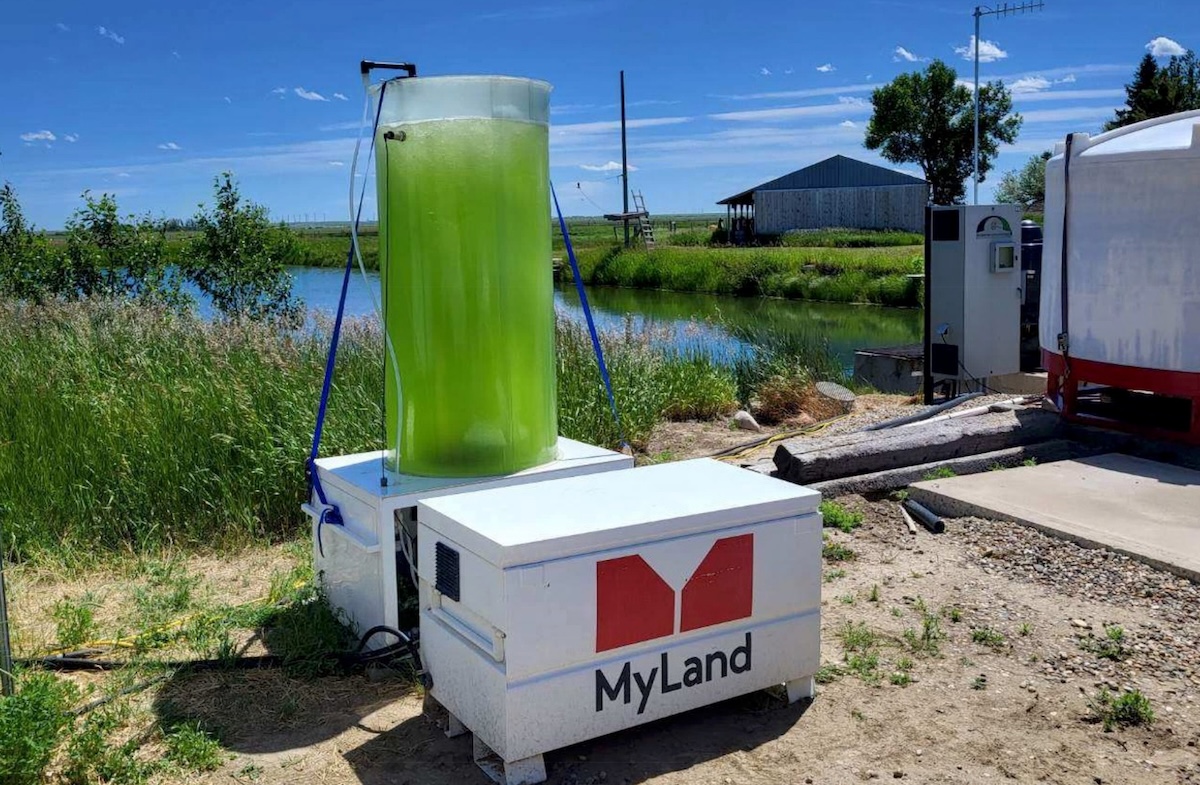

Phoenix-based MyLand launched in 2014 to provide “soil-as-a-service” to small farmers and other food growers. The agrifood tech company uses native microalgae and other nutrients to improve soil health and to sequester carbon.
With the backing of Washington state’s Department of Agriculture, MyLand will create a statewide soil health program covering up to 9,000 acres of farmland. Farmers will receive MyLand’s soil health management services at no cost for the first year.
The program “offers growers a way to steward their land and improve their soil, while boosting crop yields and supporting more sustainable farming practices that benefit both growers and the environment,” said MyLand’s Dane Hague.
Soil health
The partnership comes less than a month after MyLand closed on $23 million in financing led by Proterra Investment Partners to expand its service in the US and internationally. The round included backing from the Borden Family Trust and FarmClub Investments, along with Climate Innovation Capital and several of its LPs.
Meifan Shi of Waterpoint Lane, an investor in MyLand, told ImpactAlpha that MyLand stands out “both for its transformative impact on soil health and its unique ability to bridge public and private capital.” (see, “Deal spotlight: Make America Healthy Again”).
MyLand secured a $20 million line of credit from PaceZero Capital Partners in October last year to meet demand from farmers in key growing regions, including California, the Pacific Northwest and Alberta, Canada.
Low-carbon transition.
The fresh funding comes via Washington state’s Climate Commitment Act. The “cap-and-invest” program requires the state’s largest emitters to purchase emissions allowances at quarterly auctions, or to buy and sell them through a secondary market. Revenues from the program, run by the state’s Department of Commerce, are invested in decarbonization solutions.
The Climate Commitment Act aims to fund “new and exciting science that will increase the climate resiliency and ecosystem restoration of vulnerable land in Washington,” said Matthew Randazzo, who helped write the bill, which includes a focus on climate resilience on Tribal lands.