
Just last year, City First Enterprises’ Oswaldo Acosta was celebrating the role of community development financial institutions, or CDFIs, in accelerating the clean energy transition. “We’re all green banks now,” he said on ImpactAlpha’s Capitol Gains podcast.
The budget bill signed into law by Trump last week, which accelerates phase-outs to clean energy tax credits and “repeals” a Congressionally mandated green bank program, upends those plans.
As federal funding sources dry up, community lenders, impact and other private investors have an opportunity to support the rollout of shovel ready projects (read and watch, “Call No. 71: Green lenders are all dressed up and ready to roll”). Acosta remains determined to grow City First Enterprise’s clean energy lending portfolio.
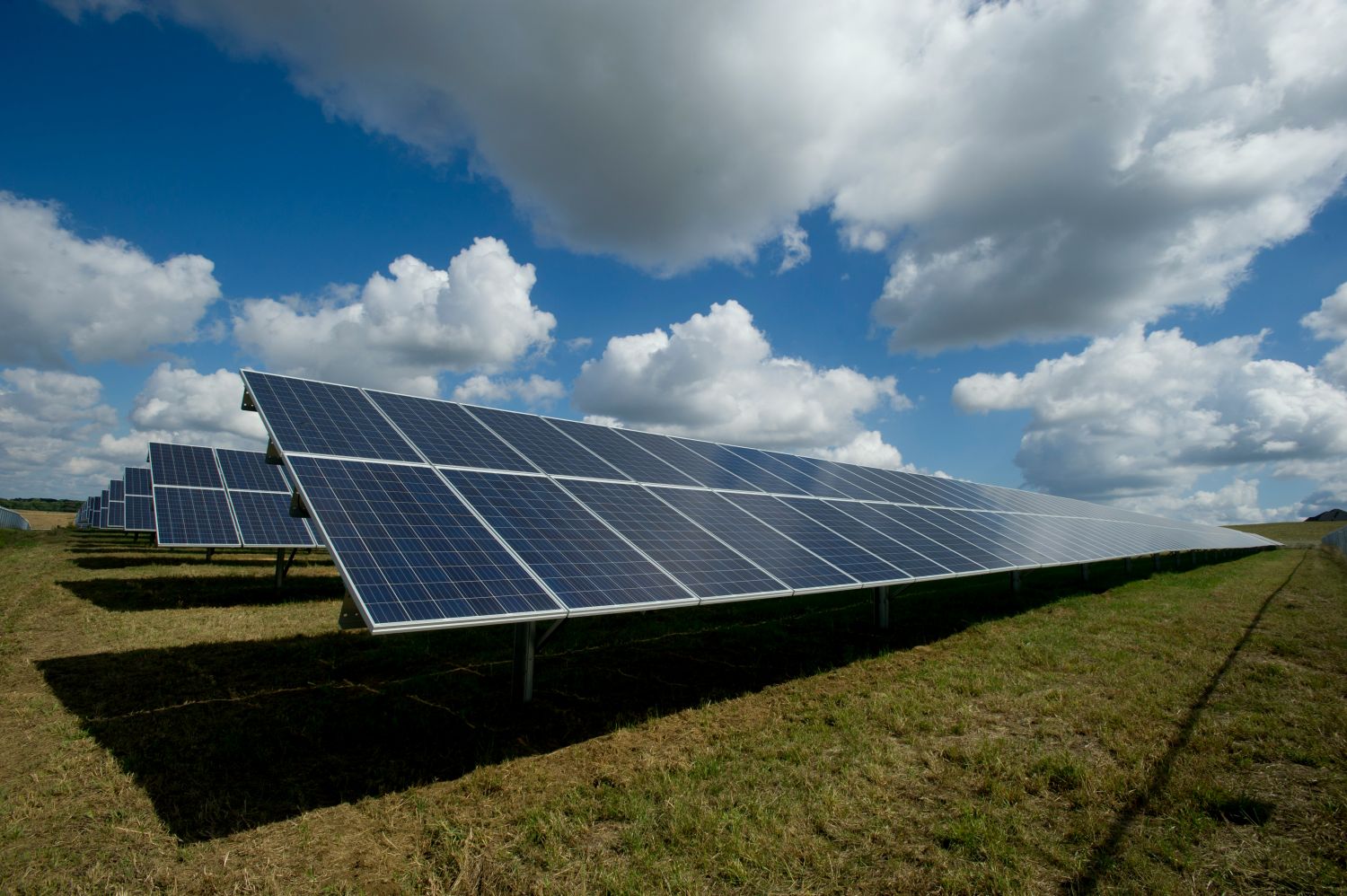
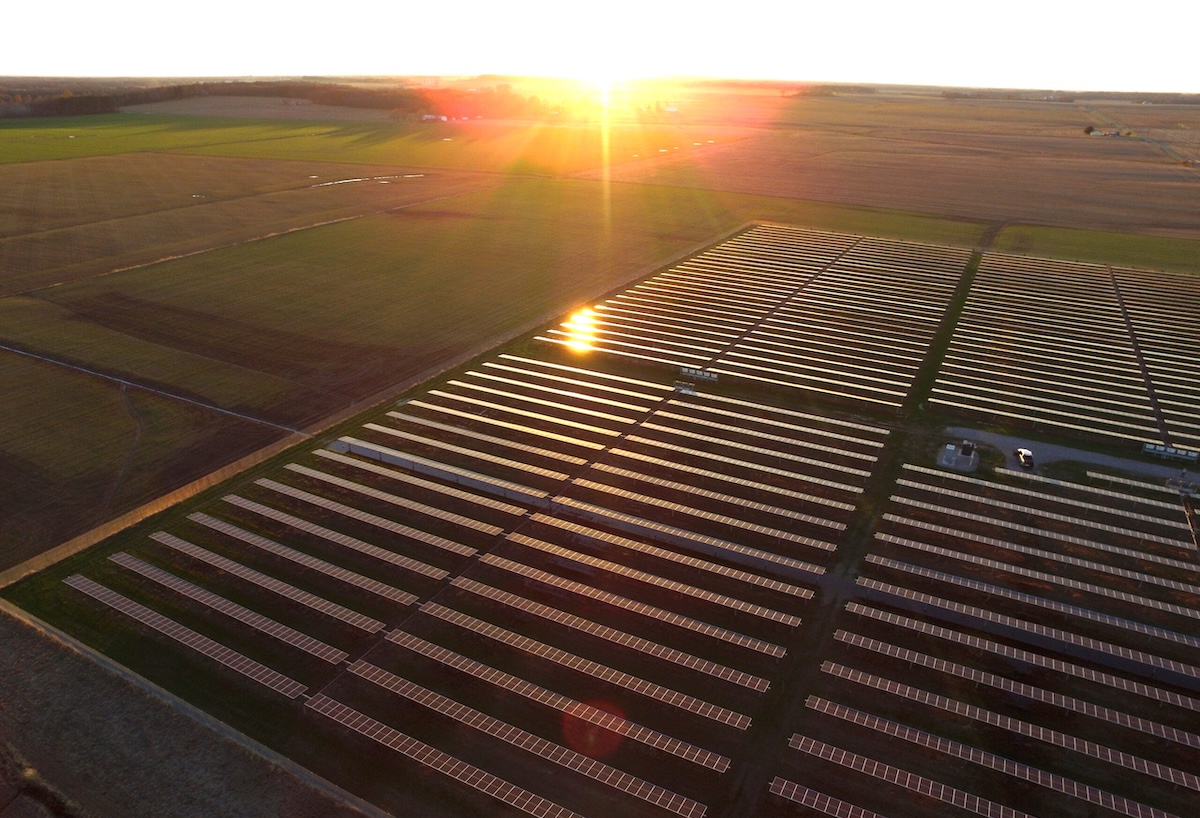
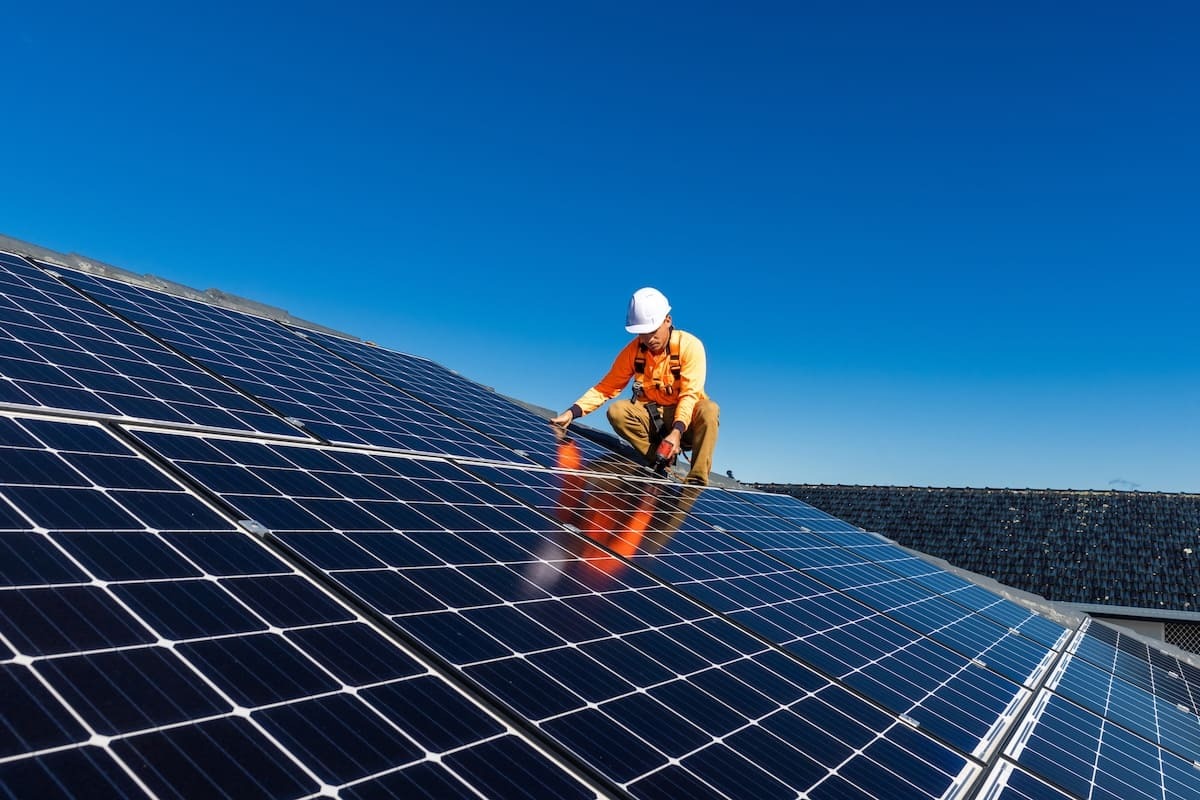
The Washington, DC-based CDFI has inked a $5.3 million line of credit with the district’s green bank for the District Solar project, which will create access to clean electricity for roughly 335 households, mostly in low- and moderate-income neighborhoods. The project, backed with clean energy tax credits equity, expects to install 3.4 megawatts of residential rooftop solar this year.
More than half of the households will receive free solar energy via no-money-down power purchase agreements. “The arc of the evolution of clean energy adoption in the communities we serve will continue,” Acosta tells ImpactAlpha.
Community finance
Evergreen Companies, a DC clean energy development and finance company, is behind the project. City First and DC Green Bank, which allocated about $2.6 million each for the seven-year term loans, are expecting the project to deliver a 60% annual reduction on households’ electricity bills over 20 years.
“We are proud to support our partners and drive investments in resilient infrastructure that create jobs, reduce energy costs, and put money back in the pockets of DC residents,” said Brandi Colander, who last week stepped up as interim CEO of DC Green Bank.
The District Solar project is expected to create approximately 60 jobs and offset over 3,300 tons of CO2 emissions each year.
Energy tax credits
Evergreen will own the entire portfolio of solar systems and generate tax credits for every megawatt-hour of energy produced. He predicts a spurt of transactions in the coming months, as clean energy developers rush to get projects online to take advantage of the federal Investment Tax Credit before it expires.
“My concern is that this will bring stress to CDFIs that don’t have the capital to support those deals,” Acosta added. “At the end of the day, the industry will do what it always does, find financial structures that work.”
City First Enterprises and DC Green Bank have deployed over $25 million in clean energy investments in DC over the past five years.
In a separate deal, DC Green Bank has partnered with Community Preservation Corp., American Housing, Amazon and JPMorgan on a $26.7 million construction financing package to retrofit 52 affordable homes with solar panels, electric vehicle charging stations and other energy-efficient upgrades in Northwest DC.