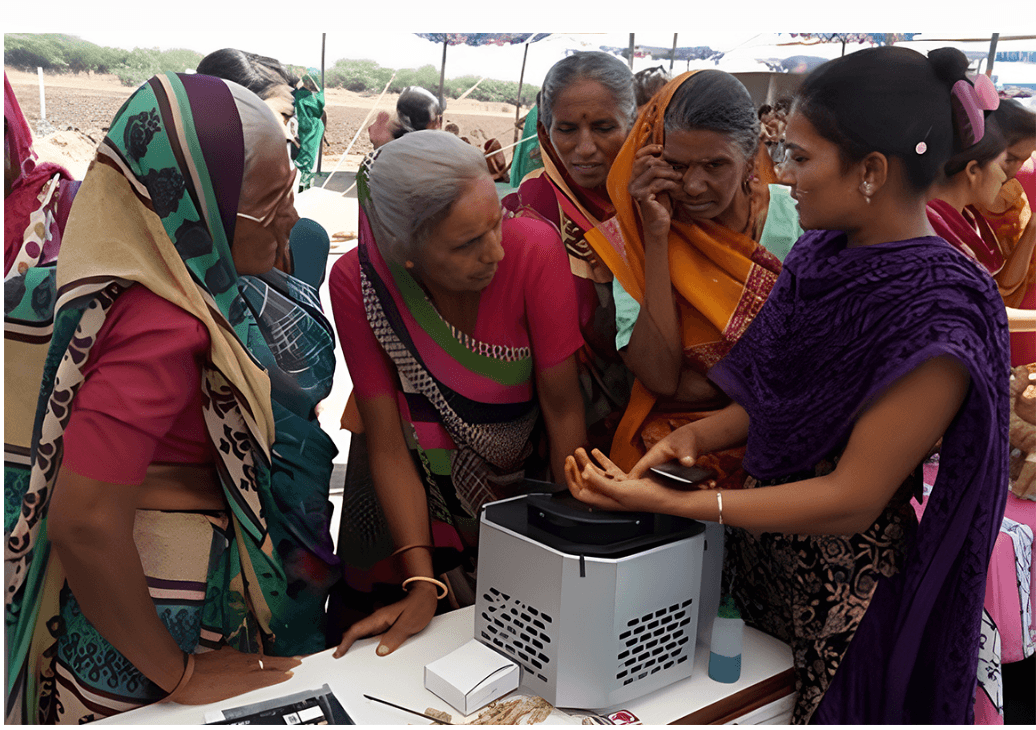
The rapid adoption of electric cookstoves in India is among the many consequences of the blockage of supplies through the Strait of Hormuz.
“I was scared that if I didn’t get it, I would have no options,” said Anju Singh over a phone call. Singh, a housemaid in the Delhi suburb of Noida, recently spent about 20% of her monthly pay on an induction cooktop.
Singh, like many others in India, is accustomed to cooking with liquified petroleum gas. There are some 330 million LPG connections in India, making it one of the most widely-used cooking fuels in the country; 90% of India’s imported supply passes through the Strait of Hormuz.
With LPG imports cut off because of the war in Iran, Singh joined the throngs of Indian households that rushed to buy an electric alternative. She became a datapoint in the 30-fold surge in electric cookstove sales in India during the first two weeks of the war.
Emergency measures
Most of the fuel supplies that flow through the Strait of Hormuz go to Asia. Fuel shortages have forced many countries in the region to not only raise prices at the pump, but institute more drastic measures, like imposing driving restrictions and cancelling flights.
In Thailand, the government has proposed raising the thermostats at government offices and asking employees to skip long sleeves and neckties. Pakistan and the Philippines are having public workers work remotely one day per week to save on fuel use; Indonesia is expected to follow suit. Myanmar has imposed driving restrictions on private vehicles and fuel rationing.
India isn’t facing an oil shortage, partly because of supplies from Russia, but its LPG shortage is hitting households and small businesses hard. Individuals and families have waited in lines outside gas agencies, sometimes for days, to get a refilled LPG cylinder. Others have reported buying them on the black market for multiple times the usual price.
The LPG shortage has forced restaurants to trim their menus, cutting out dishes that require longer cooking times. Some street vendors have shut down completely.
When Singh tried to get a new LPG cylinder two weeks ago, she was told it wasn’t available. With just one to two weeks of gas remaining, she decided to follow someone’s advice and purchase an electric cooktop. It was hard to find one in her local market, she said. Available models cost about 2,700 rupees ($29); Singh makes just 12,000 to 15,000 rupees per month doing cleaning and other housework for a few homes in Noida. She bought the new stove to be able to feed her husband and two children.
Cleaner cooking
Until the war, adoption of electric cookstoves in India was stunted by consumer skepticism about the technology. Just 5% of households in India used electric cookers and stoves, and those were primarily urban and wealthy households.
The LPG disruption has created such demand that one prominent manufacturer of induction or electric stovetops, TTK Prestige, said it has run out of stock; its CEO Venkatesh Vijayaraghavan told a local TV channel that the company is working to ramp up production.
E-commerce platforms like Amazon and Walmart-backed Flipkart have reported a multi-fold rise in sales in recent weeks.
In addition to electric stoves, Indian households and businesses are also buying more solar and biomass-powered stoves.
Ecosense has been making stoves powered by biomass pellets from agricultural waste since 2012. The company says its stoves are almost smoke-free, which makes them a healthier and more environmentally friendly option than burning biomass directly. It typically sells to rural households via corporate social responsibility initiatives.
This month, the company has gotten orders from roadside vendors, cafes, canteens of industrial houses, and even some large restaurant groups. In two days, the company sold the same number of stoves that it would normally sell in six to seven months, Ecosense’s Ketaki Kokil said. “It has been a great shift.”
Rudra Solar Energy, which makes solar-powered cookers in the western state of Gujarat, has been fielding hundreds of calls a day from potential buyers, compared to just 1,500 to 2,000 per year in normal times, said founder Devang Joshi. The company is struggling to meet the immediate demand because of a shortage of raw materials, including components made in gas-powered factories.
“The demand and supply gap is very large,” said Joshi.
The Maharashtra Energy Development Agency announced plans to adopt a solar steam cooking system to prepare food for 500 personnel stationed at a campus for the state’s police reserve.
There is a long way to go to shift all of India’s 1.4 billion people to greener cooking sources, but Kokil and others hope that the silver lining of the current crisis is a long-term shift. “This type of product is becoming a solution in times of crisis.”