
Just Climate is writing big checks for nature.
The dedicated climate investment arm of Generation Investment Management is complementing its focus on industrial decarbonization with solutions that could deliver faster results in agriculture, forestry and waste and water solutions.
Those sectors generate up to one-third of global emissions, but attract less than 10% of financing from typical climate funds.
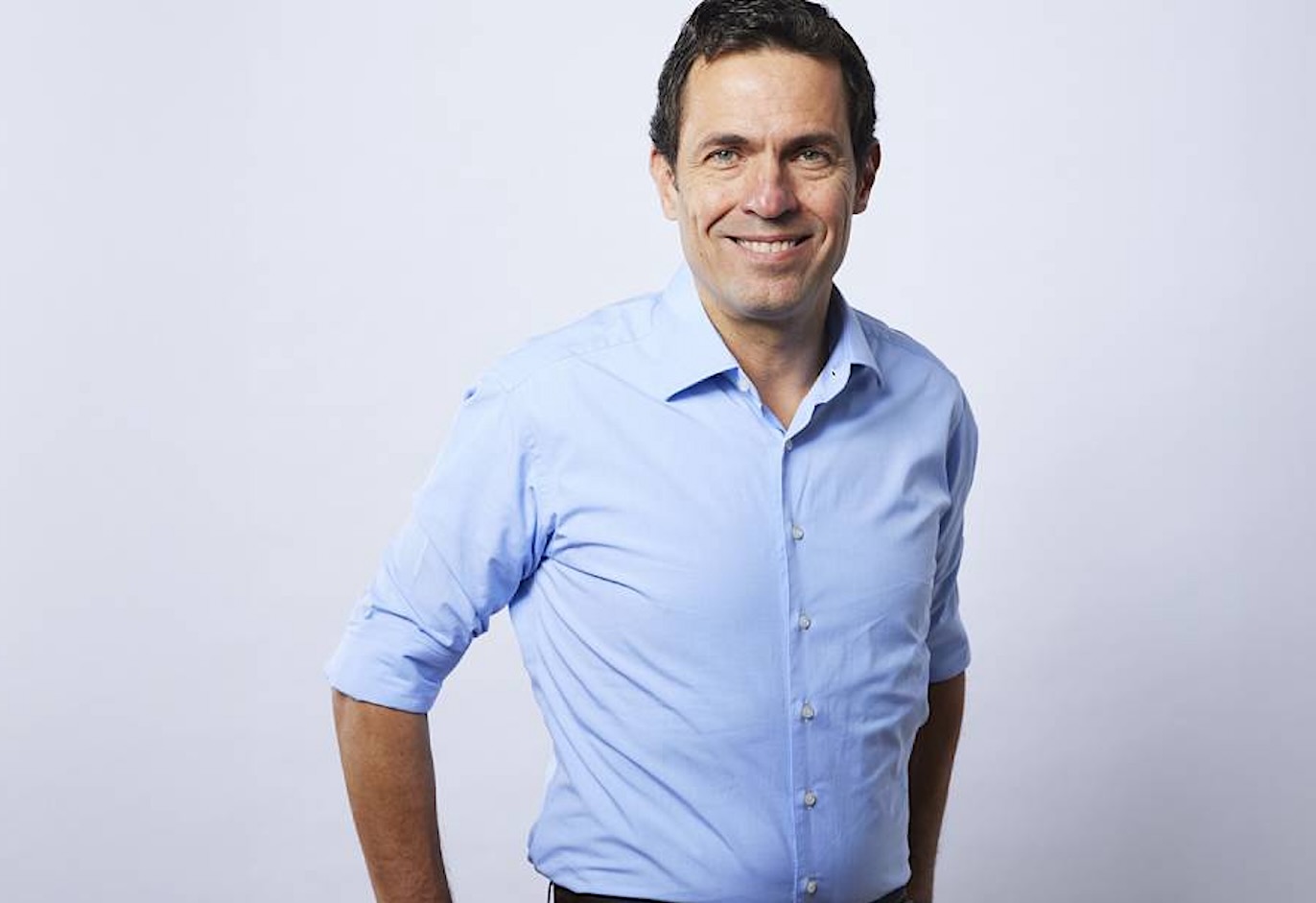
“Just Climate really wanted to be intentional and say, ‘OK, we will cover this one-third because very few people are covering it with a dedicated perspective,” says Just Climate’s Eduardo Mufarej.
The growth equity strategy and project finance has drawn backing from key investors, such as Microsoft and the California State Retirement Systems, or CalSTRS, which have taken a growing interest in nature and land-use strategies as part of their portfolios. The pair anchored the fund with $175 million in March.
Mufarej’s 10-person Natural Capital Solutions, or NCS, team expects to commit between $30 million and $50 million per company, though initial checks may be smaller.
Just Climate is looking to back sectors and technologies that have been de-risked by early-in investors and are ready to scale. “There are clear opportunities where the markets are mature,” Mufarej told ImpactAlpha in a recent interview.
Food systems
Distinct from nature-based solutions, which tend to imply ecosystem restoration and carbon removal, the more expansive “natural climate solutions” category includes food systems and sustainable supply chains for commodities.
“Everything that we do starts with the climate science.” Mufarej told ImpactAlpha. The strategy, he said, “focuses on what we call the picks and shovels of food systems and sustainable supply chains, forestry and ecosystem restoration, as well as the waste and water sectors.”
Food systems alone, he says, is a $14 trillion industry. “This is a huge global industry that is on the pathway for supply chain action and for decarbonization.”
In March, Just Climate invested in GreenLight Biosciences’s $25 million Series C round. The Massachusetts-based company is commercializing biological solutions for protecting crops such as potatoes as well as honey bees and other pollinators. Bio-based solutions are in demand, especially in Latin America and the EU, as farmers seek alternatives to harmful chemicals.
In May, Just Climate acquired Mufarej’s former firm, São Paulo-based Good Karma Partners, to spearhead its Latin America strategy. Good Karma focuses on early-growth companies in climate, health, and education. Portfolio companies include Vertuos, which converts waste such as steel slag into usable products, and Latin American bike-sharing company TemBici.
IDB Invest, the private sector arm of the InterAmerican Development Bank, is collaborating with Just Climate to develop the strategy. The Latin America and Caribbean-focused development finance investor will become a founding investor in the new strategy.
The crossover with Just Climate’s focus on Latin America is intentional. The region is home to the Amazon and 40% of the planet’s biodiversity, yet has lagged in funding. Brazil and the broader region have been carving out a leadership position in sectors such as regenerative agriculture and bio-based products, and in modeling community-driven solutions.
LPs for nature
NCS is the second leg of Just Climate’s evolving strategy. In 2023, it raised a $1.5 billion fund for industrial climate solutions, which encompasses “hard-to-abate” sectors such as green steel. Microsoft and CalSTRS backed that fund as well.
CalSTRS and Microsoft are among a growing contingent of limited partners that see opportunity in nature-based and natural solutions.
At the launch of Natural Climate Solutions in 2023, Just Climate’s Clara Barby declared a “tipping point” for such approaches.
“An emerging ‘restoration industry’ can mirror the success of the renewable energy industry,” she said at the time.
CalSTRS, the $370 billion teachers’ pension fund, was an early member of Nature Action 100, the investor-led initiative engaging companies on nature-related risks and biodiversity loss. Its commitment to Just Climate falls within its $1.4 billion Sustainable Investment and Stewardship Strategies private portfolio, part of a broader 30% allocation for “hybrid and innovative climate solutions.”
“We believe investment opportunities related to the land transition that require specialist expertise create value,” CalSTRS Kirsty Jenkinson said in March. “Our partnership with Just Climate aims to accelerate the land transition and contribute to a more sustainable global economy while generating attractive investment returns for our members.”
Microsoft is another leader in climate investment, including nature-based solutions such as reforestation and restoration to remove carbon from the atmosphere. In addition to Just Climate, the tech giant’s $1 billion Climate Innovation Fund has backed funds including Energy Impact Partners, CrossBoundary Energy Access. Farmland LP and Water Equity.
Microsoft has also joined onto Just Climate’s Nature Alliance, which the firm says is “a group of corporate leaders whose influence and expertise is expected to play a vital role in expanding the natural climate solutions investment opportunity.”
Road to Brazil
Mufarej is counting on a lift from the COP30 global climate gathering taking place this fall in Brazil. Brazil’s President Luiz Inácio Lula da Silva, known as Lula, is placing big bets on natural climate solutions such as regenerative agriculture, ecosystem restoration and biofuels.
“Nature and the land transition are critical and will be a central focus at COP30 in Brazil later this year,” says Mufarej. “This is a COP that can focus on scaling solutions, nature, and the Global South and emerging economies.”
Under senior partner David Blood, one of Generation’s missions has been to drive more capital to the Global South, Mufarej said.
“If you’re in the fashion business, you need to be in Paris or in Milan,” he said. “If you’re in the climate business, you need to be in Latam.”