
Stream on Peacock or Amazon Prime (trailer)
Spoiler level: Low
Score: 12.5 (Accuracy – 3.5; Entertainment – 5; Impact – 4)
There are few things more terrifying and awe-inspiring than a tornado. With wind speeds of up to 300 mph, an EF5 tornado is capable of wiping a town off the map. Over nearly four days in March, a total of 117 tornadoes touched down across the Midwestern US, leading to 43 deaths and an estimated $6.25 billion in damages.
The images from the devastation were harrowing – a reminder of the awesome power of nature. But the devastation would likely have been much worse if not for important technological advances and the heroic efforts of scientists like those at the National Oceanic and Atmospheric Administration, or NOAA, who over the years have developed more accurate prediction models and faster warning systems.
With NOAA now facing potentially crippling budget cuts, it seems like a good time to remind ourselves why it exists and how it saves lives.
Enter the Hollywood blockbuster Twisters, a sequel to the 1996 classic Twister that was one of the first films to bring the destructive power of tornadoes to a mass audience. The film more than delivers on the original’s high-stakes thrill ride with over two hours of heart-pounding action and suspense.
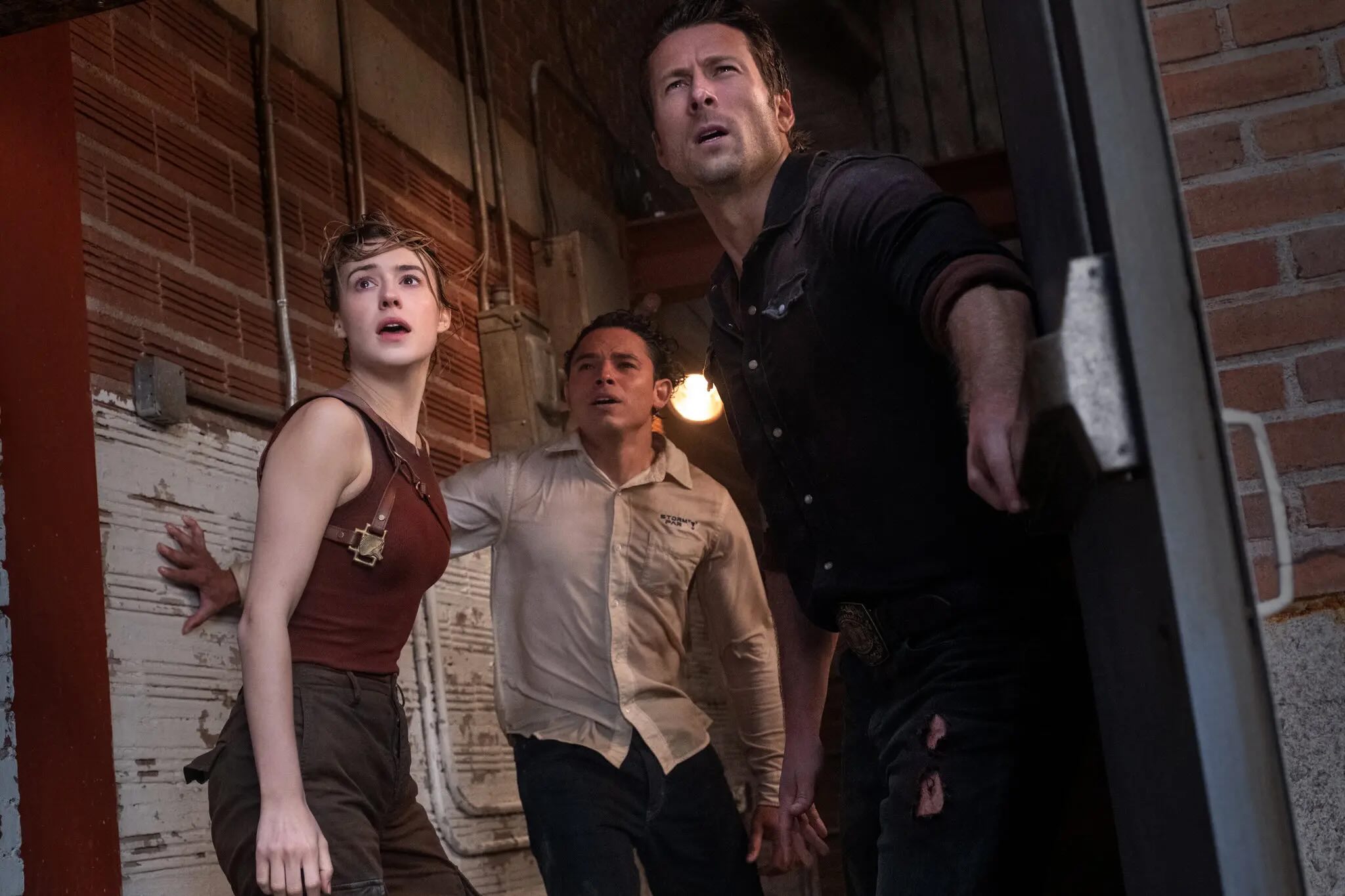
The plot center on Kate Carter (played by Daisy Edgar-Jones), a NOAA scientist who is trying to develop a way to “kill” tornadoes by releasing super-absorbent chemicals directly into the storm. The writers take some liberties here as such technology does not currently exist, and probably never will. But it’s an effective plot device that has the audience rooting for Kate, especially because so few are willing to take her seriously.
One exception is Tyler Owens (played by Glen Powell), a YouTube celebrity known as the “Tornado Wrangler” who chases after monster storms to the delight of his adoring fans. Not surprisingly, Tyler’s fans seem to be more excited by the thrill of chasing than they are by the sobering NOAA forecasts that warn residents to stay away.
It’s easy to see how this might become the norm as the private sector rushes to fill the void left by NOAA scientists, who have already admitted that their storm modeling and alert systems would take a hit due to budget cuts. Climate change is already making severe weather like hurricanes, tornadoes and flash floods more severe – now they will be harder to predict as well.
Twisters doesn’t directly delve into the political machinations behind the government’s most important scientific agencies. The main characters are more focused on identifying tornado outbreaks and trying to warn residents caught in the path of destruction. But what makes the film so fascinating from a sustainability perspective is its portrayal of the delicate balance that scientists must maintain between serving the greater good versus serving commercial interests.
Case in point: One of the side plots in Twisters involves an entrepreneur named Marshall Riggs (played by David Born) whose business model involves purchasing tornado-damaged land from owners who either lack insurance or lack the funds to rebuild.
On the one hand, “Riggs is offering these people a way to move on with their lives.”
But to a cynic, “he’s swooping in and taking advantage of people who have just lost everything.”
Whatever his true motives, it’s obvious that Riggs has a vested interest in scientific research and technology that can accurately predict where tornadoes will touch down. Everyone benefits from access to this kind of information – the scientists who want to collect data, the residents whose lives are in danger, the YouTube celebrities who want eyeballs, and even the shady entrepreneurs who want to build a land empire. It’s a true public good, and exactly the kind of thing that government funding is ideally suited for because the benefits are widely shared.
In another reality – one that values science – perhaps Kate would receive enough funding through NOAA that she would be able to further develop her tornado-killing technology and roll it out in vulnerable communities across the country.
Or to take an example from our current reality – one that demeans scientists and ignores scientific advice – perhaps investments in flood warning systems could have prevented tragedies like the flash floods in central Texas that have killed more than 100 people.
Scientists are experts in their fields. We would all be better off if we listened to them.