
“What is scarce that should be abundant?” journalists Ezra Klein and Derek Thompson ask in their much-discussed new book Abundance. “What is hard to build that should be easy?”
They’re teeing up an alternative approach to public policy that rejects the politics of scarcity. The book argues for a “politics of abundance” geared to creating or enabling more of what we need.
Why stop there? These questions should also prompt a rethinking of conventional investment practices. What if investors asked, “What is scarce that should be abundant?” How would that change our investment interests? What if we asked, “What has a hard time getting funding that should get funding easily?” How would that change our investment decisions?
Our financial system creates wealth for a few at the expense of health for the many. This stems from a set of embedded beliefs and practices, starting with a focus on the scarcity factor in economics. Acting from scarcity drives cutthroat competition. It’s not about win-win; it’s about win-lose. I can only win if others lose.
This zero-sum game thinking is simplistic, wrong and dangerous. It actually creates more scarcity as it drives escalating extraction of human and natural resources for short-term advantage. Is that really how we want to design societies and fund businesses?
We have the power to change this dynamic by shifting the focus from winning to thriving and maximizing to healing. That change starts with a focus on acting from abundance.
A regenerative approach to finance
“Act from abundance” is one of RSF’s core principles of regenerative finance, an investment approach designed to revitalize communities and environments and promote mutual wellbeing. This approach seeks to realize the full potential of impact investing by supporting enterprises that fix what’s broken and create shared value.
Key features of regenerative finance include integrated capital (a combination of investments, loans, grants and social capital designed to fill gaps and remove barriers for social and environmental innovators); attention to the interlocking causes and effects that characterize complex challenges; and a commitment to involving core stakeholders in decision-making.
Acting from an abundance mindset points us toward supporting businesses that strive for maximum positive impact. If we believe that we can create wellbeing for everyone, we naturally try to make that happen.
Putting abundance into practice
The abundance orientation plays out in an array of regenerative finance practices designed to ensure broadly shared benefits:
Setting regenerative returns. Instead of prioritizing only financial returns, which create abundance just for the investor, regenerative returns create abundance for all by balancing financial returns with social and environmental returns.
Meaningfully involving stakeholders. There was a lot of talk among global corporations a few years ago about stakeholder capitalism. That now appears to have been largely, if not only, talk—but regenerative finance requires real engagement to ensure that investments have real impact.
At RSF, one way we do this is by regularly asking both our borrowers and our investors about their experiences of the economy, and then using that feedback to inform the base rates we set for each group. Investing from abundance means abundance for everyone, not just the investor.
Funding businesses that are modeling abundance. By choosing where money flows, investors have an immense amount of power to determine what qualifies as an “investible opportunity.” Every founder of a mission-driven venture encounters reactions like these from mainstream funders: “We don’t finance that type of work.” “We don’t understand your model.” “It’s just too risky.”
Regenerative-returns financing can demonstrate that social enterprises are worth investing in, de-risking them so that they can add-in conventional funding and grow their impact.
Prioritizing transparency. In conventional investing, negative consequences are often hidden by poor reporting and portfolios constructed without regard for impacts. If we’re acting from abundance, we need to know if our money is creating value for others.
At RSF, for example, we practice transparency by regularly sharing both quantitative impact (portfolio-wide metrics about what investor capital is accomplishing) and qualitative impact (stories from our borrowers told in communications and at in-person or virtual gatherings).
Thinking long-term. Fossil fuel energy investments illustrate how a scarcity mindset creates even more scarcity over time: Fortunes were made, but at the cost of making scarce healthy air, essential ecosystems, and everything we gain from a livable climate—and ultimately, profits will also be scarce. Renewable energy and regenerative agriculture, by contrast, offer real returns while creating lasting abundance.
Legacy of abundance
When we think about providing for our children and succeeding generations, one approach is to give them as much wealth as possible to help them survive in a deteriorating world roiled with conflicts over scarce resources; the other way is to invest in the world we want them to inhabit.
Many people with wealth have complicated feelings about their money related to how they acquired it and what they want to be doing with it. The dominant scarcity paradigm often intensifies those feelings.
People who invest from abundance, in contrast, regularly express relief, joy, and liberation. Acting from abundance enables wealth holders to make investments that yield financial returns but also something meaningful: the restoration of what’s been neglected, damaged, or drained, and the creation of paths toward durable shared prosperity.
By rejecting the competitive, winner-take-all mentality of conventional finance, we might join in the belief that our planet offers more than enough for individuals, communities, and the natural world to thrive in harmony. We can activate our community and give social enterprises that act with abundance the resources we all need to flourish.
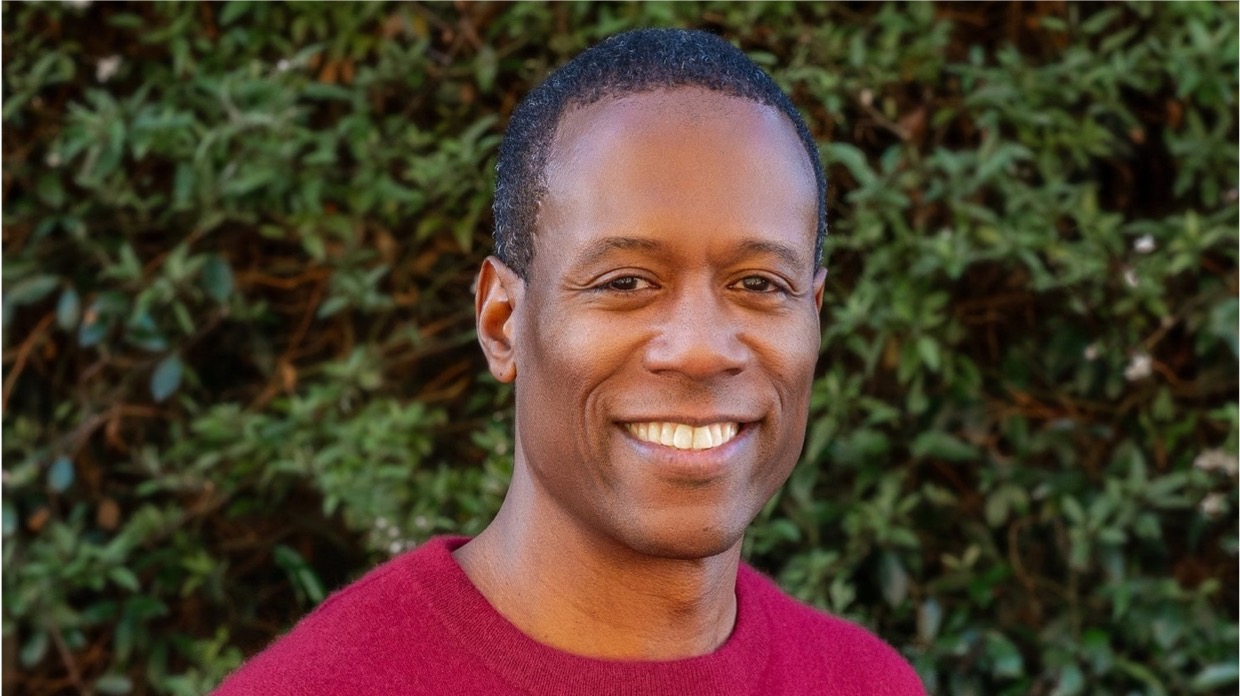
Jasper van Brakel is CEO of RSF, which operates donor-advised funds and a debt fund that invests in high-impact social enterprises.