New York was a climate innovation desert when SecondMuse first started working with the New York City Economic Development Corp. in 2017. Real estate was at a premium, posing a challenge for climate tech businesses with a hardware focus that require space for their operations.
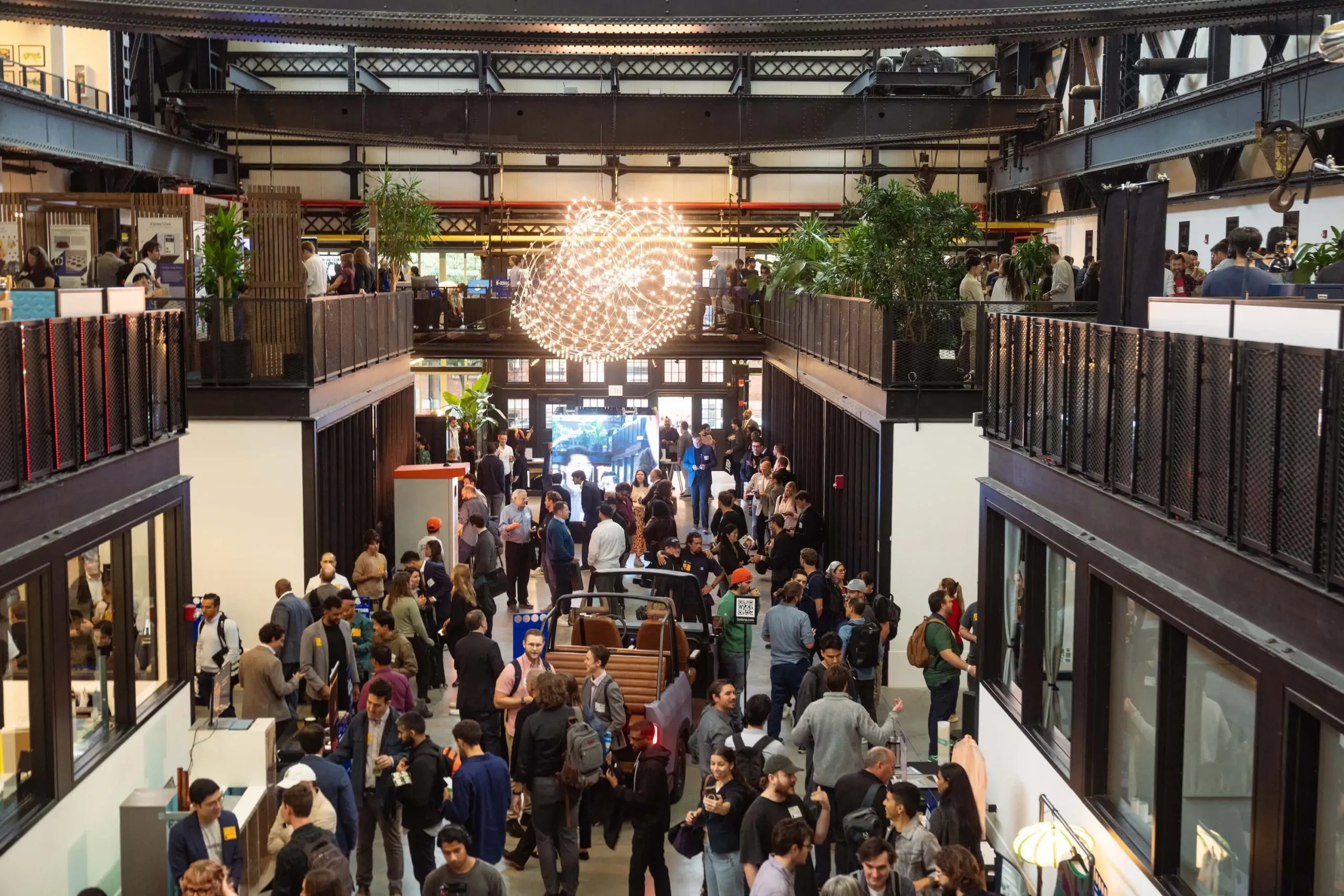
Fast forward: Climate startups in New York City attracted $664 million in venture or growth funding last year alone, creating more than 133,000 jobs. At NYC Climate Week this year, I saw more than 40 entrepreneurs with groundbreaking, ready-to-deploy technologies. Those are real and investable solutions amid a $100 trillion climate transition.
New York’s transformation into a climate tech hub can serve as a blueprint for establishing climate innovation centers in other cities worldwide.
This year’s UN climate change conference in Azerbaijan focused on building resilient and healthy cities. COP29 explored how urban areas can develop climate hubs by rethinking the use of stranded assets, fostering talent and overcoming high real estate costs and other barriers. With climate impacts intensifying, discussions at COP29 also highlighted the need for resilient infrastructure, such as hurricane-proof housing in coastal areas and fire-resistant developments in wildfire-prone regions, alongside emission reduction efforts.
Climate tech hubs
For a decade, New York has been building a robust innovation climate tech ecosystem. This begins with providing actionable resources that climate tech entrepreneurs need to bring their idea to market and solve their specific problems — from mentorship and workforce development initiatives to funding and technical expertise.
As the city leverages the combined power of various actors — entrepreneurs, incubators, corporations, policymakers, capital providers, and universities — it is establishing itself as a center of excellence that can continually build on its success.
For example, a key challenge for climate tech hardware companies is navigating complex manufacturing processes. They have to address questions of when to make, when to buy, and how to find and collaborate with key suppliers. In response to a call by the New York State Energy and Research Development Authority, or NYSERDA, NextCorps and SecondMuse developed Scale for ClimateTech, an innovation acceleration program that provides immersive training on manufacturing for growth-stage companies working in climate solutions.
One startup, Urban Energy, was looking to scale their modular solar canopy solution. Through their participation in Scale for ClimateTech, they received advice from technical experts and changed their product from steel to aluminum for lighter weight and easier installation. Changes such as these may seem minor but can often mean the difference between success and failure for a business.
Furthermore, New York’s Manufacturing Extension Partnerships – public-private partnerships that support small and medium-sized manufacturers – were intimately plugged into the innovation ecosystem, working closely with private actors and NGOs to develop workforce initiatives and policy that help companies adapt to challenges in climate innovation.
Access to space and talent
Startups can scale their climate tech capabilities with the right infrastructure and access to physical workspaces, networks, and policy and lawmakers. In 2016, New York City’s Economic Development Corp. began providing access to revamped prototyping spaces, which entrepreneurs could use to accelerate their innovations. Now, the Economic Development Corp. offers the Brooklyn Navy Yard and the Army Terminal as industrial spaces dedicated for use by innovators and manufacturers.
Access to the right people is also key. Futureworks by NYCEDC has created networks that link startups at different levels of maturity, which lead to sharing of concrete advice and a rapid exchange of ideas that fosters growth.
Every city possesses its own unique geography, history, talents and assets. Coastal cities need to prioritize developing coastline resilience, while southwestern cities can leverage their access to sun, wind and land. Policies need to be adaptive and responsive to the actual needs of entrepreneurs and help them meet their city’s unique climate tech needs through engagement between policymakers and the entrepreneurial community.
The climate transition is the largest economic shift in human history. The outcome of the recent US elections represents an alarming development for global climate efforts, given the instrumental role the US plays in helping countries transition to a low-carbon future.
Cities around the world are advancing concrete solutions to tackle the climate crisis. As we look towards the future, we can do more to learn from places such as New York that are building climate resilience and climate tech ecosystems.
Todd Khozein is CEO and co-founder of Second Muse.