
Behind the headlines reporting that Brazil’s housing deficit has dipped to 5.9 million homes — a 4.8% drop from 2022, according to Fundação João Pinheiro — lies a reality that impact investors and urban planners cannot ignore: Where and how people live matters just as much as the aggregate number.
A housing policy that “reduces the deficit” by pushing families to distant urban fringes might improve statistical indicators, but it often exacerbates systemic failures.
Long commutes, high transportation costs and increased exposure to violence are the hidden prices of peripheral expansion.
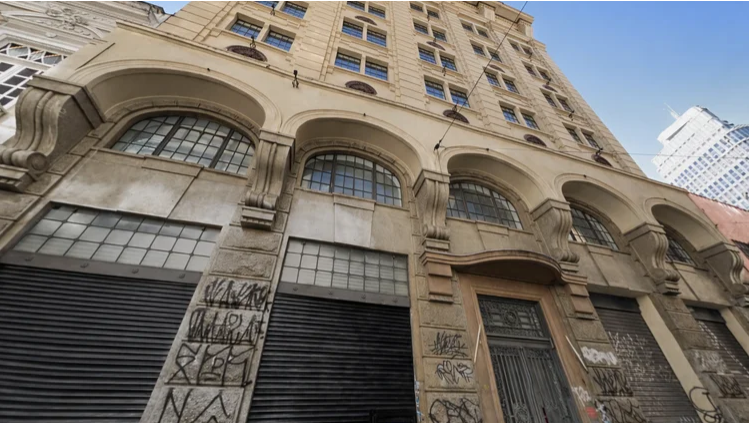
This is where Kasa Delas, a pioneering initiative in the heart of São Paulo, offers a solution. By using project finance, patient capital and a gender lens, the project transforms the retrofit of idle buildings into social mobility infrastructure rather than mere real estate speculation.
Beyond the deficit
A sophisticated approach to the housing crisis must incorporate dimensions that are often sidelined in public debate. The first is urban productivity. A roof over one’s head doesn’t solve poverty if that roof is three hours away from economic opportunity. City productivity plummets when a significant portion of the workforce spends a third of their waking hours on crowded buses and trains.
Furthermore, the urban experience is deeply gendered. Research from Agência Patrícia Galvão and Instituto Locomotiva reveals that 76% of women in São Paulo have experienced violence during their commutes. Housing must minimize transit risks and provide a secure domestic environment.
The transport sector also remains a primary driver of urban CO2 emissions. Sprawl, where cheap housing sits at the edges of a city and jobs are concentrated in the center, is a recipe for high emissions and low quality of life. By addressing these issues, Kasa Delas mirrors successful global “workforce housing” models seen in cities like Denver and Atlanta and the urban revitalization strategies of players like Jonathan Rose Companies in New York.
Retrofit with intent
Kasa Delas is a strategic partnership between Citas, an operator specializing in the retrofit and management of underutilized buildings, and the impact investing firm I run, Ibirá Negócios Sociais. Together, we are turning abandoned commercial spaces into residential units designed for social impact.
The first Kasa Delas building focuses on units for the “HIS 2”, or Social Interest Housing, bracket, specifically targeting women with household incomes between three and six times minimum wage. To ensure long-term affordability, the project implements a rent cap where housing costs consume no more than 30% of the tenant’s income, aligning with international best practices.
The project goes beyond physical architecture. It operates on the premise that real estate can function as social infrastructure. This approach includes facilitating support networks among tenants, partnering with NGOs for psychosocial support and promoting nearby urban services that often go unused due to a lack of awareness.
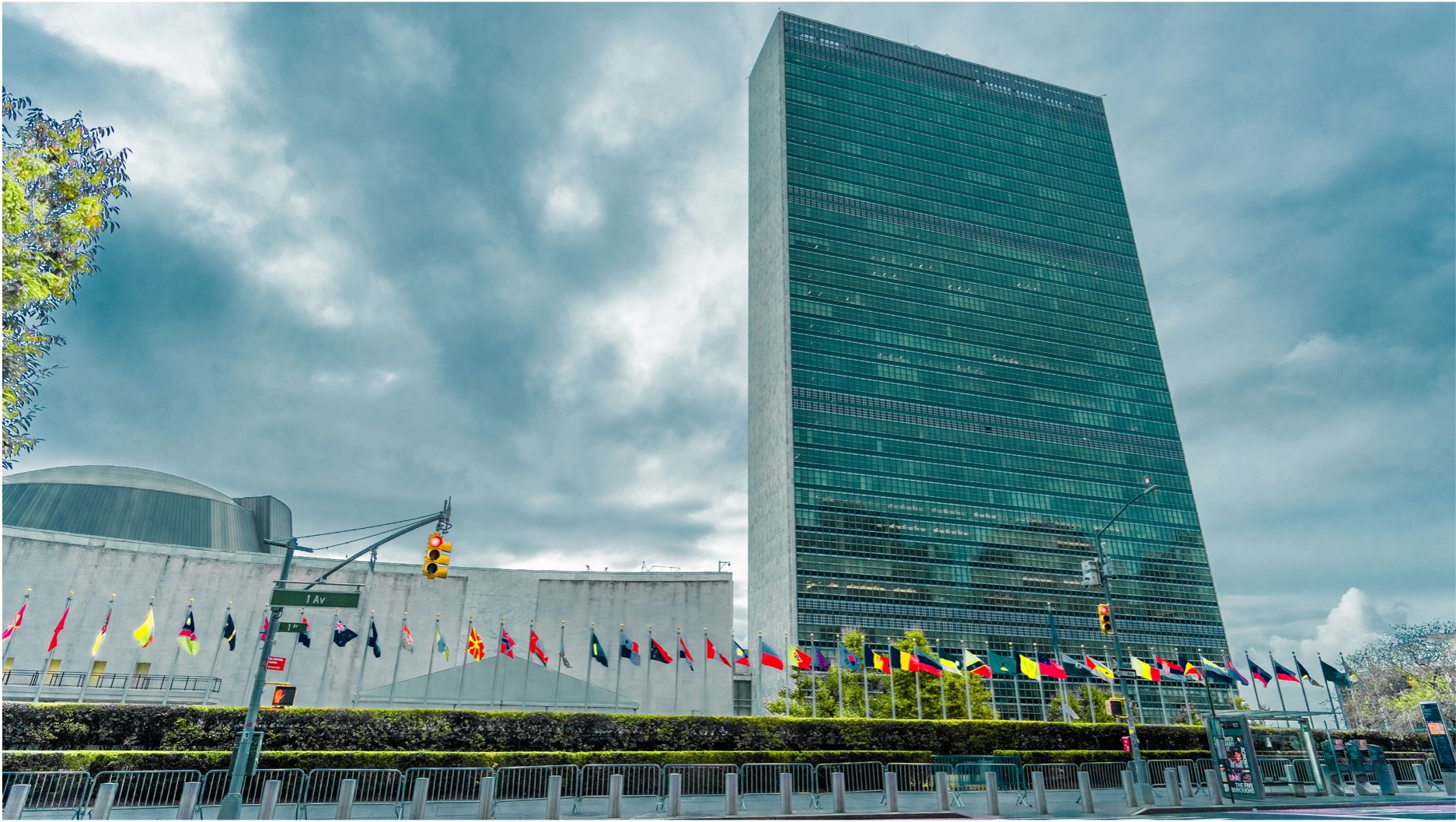
From a Theory of Change perspective, the apartment is a transition platform—a place of stability that allows a tenant to eventually “graduate” to other housing options. Citas already manages buildings in the center with a similar logic, including a partnership with UNHCR, the UN Refugee Agency, through which proximity to formal jobs allowed refugee residents to eventually move into larger homes after a period of stabilization.
The 20-year horizon
One of the aspects of this deal we are most proud of is the financial “plumbing.” Like many global metropolises, São Paulo’s historic center is at a crossroads. Property prices are depressed due to commercial migration, even as revitalization efforts ramp up. In a traditional “buy low, sell high” play, an investor would retrofit for high-end tenants, leading to displacement. Kasa Delas inverts this logic.
We’ve structured the deal using project finance with a 20-year repayment term. This long horizon is the secret to lasting impact, as it allows the debt service to be calibrated to intentionally lower rents. This buffer keeps housing accessible even in high-interest-rate environments and shields the project from the temptation to “move upmarket” to accelerate returns.
The logic mirrors traditional infrastructure project finance used for toll roads or energy grids, where the asset generates steady cash flow to repay debt over decades. Here, however, the public benefit is a tangible reduction in the housing deficit and the mitigation of transit-related risks for women.
Scalability and the future of the city
The potential for scale is significant. Together with Citas we have mapped approximately 300 buildings in São Paulo’s center with similar characteristics: idle, degraded and ready for a second life. This pipeline represents an opportunity to create a standardized, bankable asset class for central affordable housing that could attract thematic impact funds or blended finance structures with development banks.
As Brazil begins to mature its impact capital ecosystem, Kasa Delas signals a shift from counting units to measuring the quality and location of housing. It proves that there is not an inevitable link between revitalizing a city center and gentrification. With the right financial design, urban value can be created with the community, not at its expense.
As the country navigates the intersection of housing, gender-based violence and urban climate agendas, projects like Kasa Delas show that capital can do more than just build walls. It can rewire the way our cities function, starting from the center out.
Luciano Gurgel is the executive director of Ibirá Social Businesses.
Guest posts on ImpactAlpha represent the opinions of their authors and do not necessarily reflect the views of ImpactAlpha.