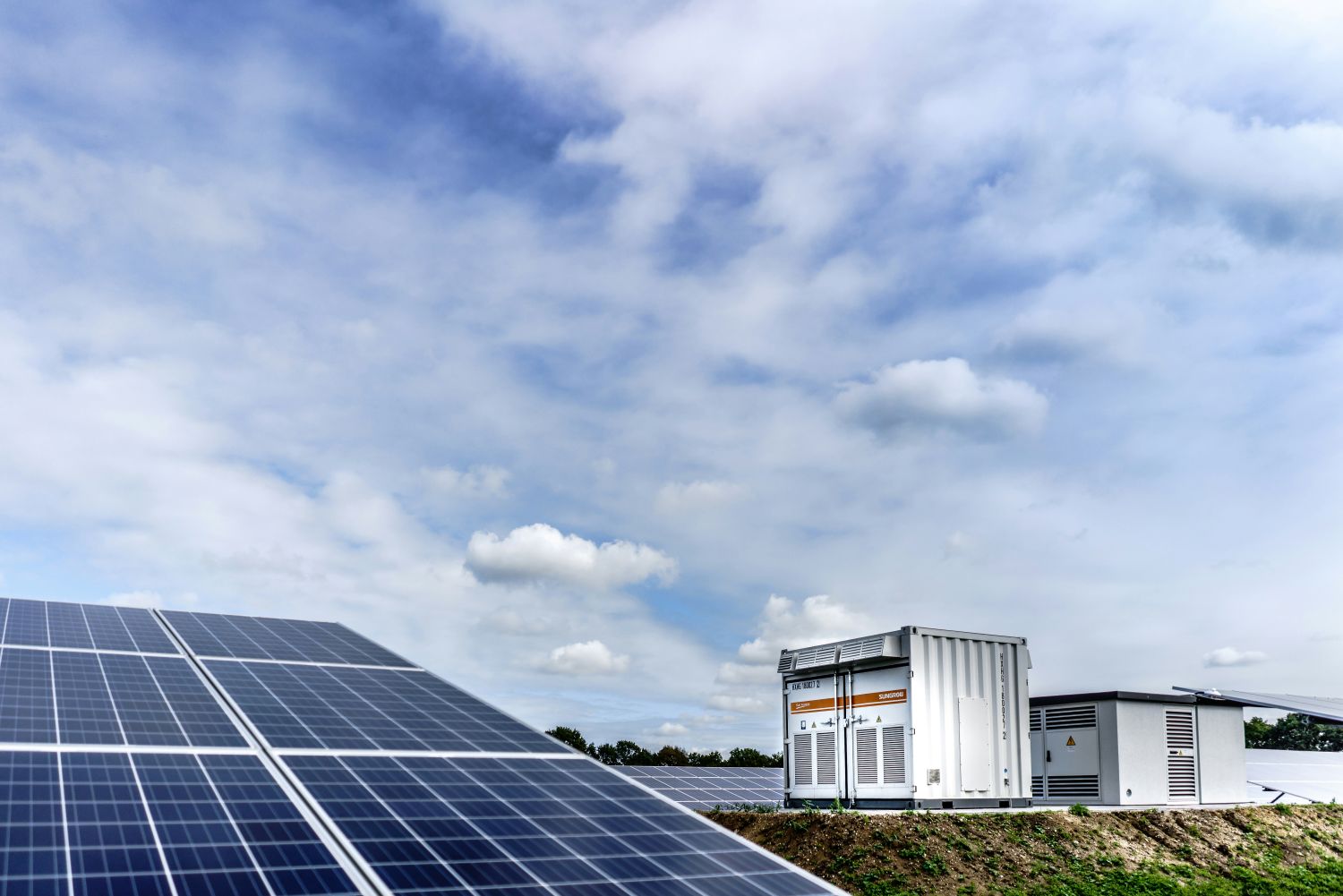

Austin-based distributed power company Scalvy and minigrid developer Gridscape are teaming up to develop combined lithium-ion and sodium-ion battery systems for commercial and industrial energy uses. Customers including factory operators, universities and fire departments, are installing on-site energy systems to cut energy bills and maintain backup power.
Sodium-ion batteries can offer high power density, while lithium-ion can store more energy, says Scalvy’s Mohamed Badawy.
The partners have received backing from the California Energy Commission to validate the technology, with the goal of rolling out their battery systems for customers, starting in California. The CEC contract covers development, certification and deployment at two sites.
Independent control
Scalvy and Gridscape are tackling a common challenge with battery storage systems: When battery cells weaken, performance of the entire system is compromised because the cells all use a central inverter.
Scalvy places small power controllers within each module, giving each battery pack independent control. That allows the partners’ mixed-battery systems to maximize the advantages of the different battery chemistries.
Scalvy raised $14 million in March from Silicon Badia, Azolla Ventures, Climate Capital and others.
Tech validation
Battery developers and utilities are searching for alternatives to conventional lithium-ion systems amid tariffs, supply chain complexities and growing domestic energy needs.
“Declining costs and a smaller system footprint are critical for scaling energy storage deployments,” said Gridscape’s Vipul Gore. “We are advancing a new generation of modular, multi-chemistry systems that can accelerate adoption.”
California’s energy agency will help the partners prove the model. “They have some of the best scientists reviewing these proposals,” Badawy said. “They think there is value here, that’s why they funded this project.”