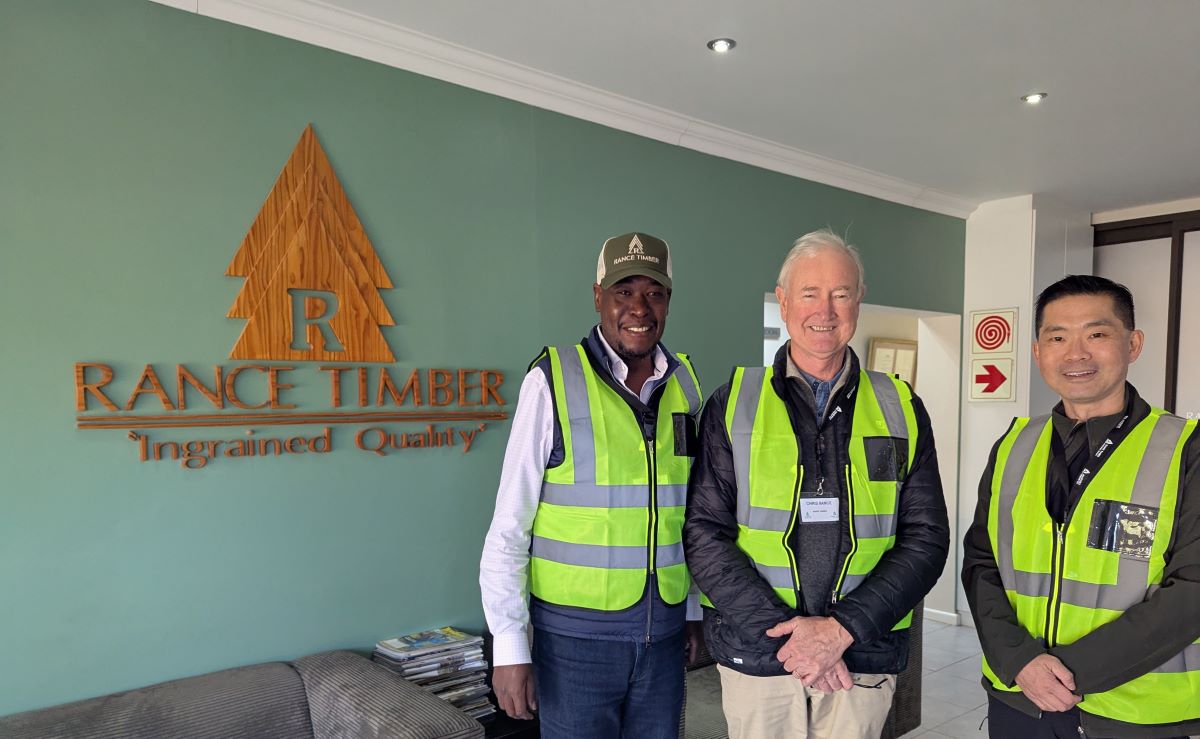
Nature-based investment firm New Forests invests in forests, agriculture and land across Africa, Southeast Asia, Australia and New Zealand with region-specific funds. Its African Forestry Impact Platform, or AFIP, has acquired Rance Timber, a family-owned forestry and pine sawmilling company in South Africa that has operated for over a century.
The deal is the second since AFIP was launched in 2022 with $200 million from British International Investment, Norfund and Finnfund. It follows the buyout in 2022 of Norwegian company Green Resources, which manages forest plantations and wood processing across Mozambique, Uganda and Tanzania. Sydney-based New Forests is looking to raise $500 million for the open-ended vehicle from foundations and pension funds across Europe and the US.
Local benefit
AFIP is linking 20% of its manager fees to targets in biodiversity conservation, gender, climate change mitigation, and improved gender diversity and livelihoods. The fund will build on New Forests’ local community development projects and capacity building, employment and contracting practices to help boost livelihoods.
For example, AFIP is exploring leasing government-owned land near its projects “to restore degraded commercial forestry land, in partnership with local communities and local government,” New Forests’ Yida Kemolin told ImpactAlpha.
Rance, which manages over 14,000 hectares (35,000 acres) of pine forests and supplies timber products to the Eastern Cape region, dedicates 40% of its forests to conserving indigenous forests, grasslands and riparian zones.
Sustainability
New Forests looks to integrate conservation, restoration, sustainable production and community benefits into its projects. Over a third of the firm’s assets are allocated to forest conservation and will not be used for commercial timber production.
“By focusing on genetics, integrated fire management and improved management practices, we can improve our returns from the existing productive areas without needing to expand them,” New Forests’ Candice Taylor told ImpactAlpha.