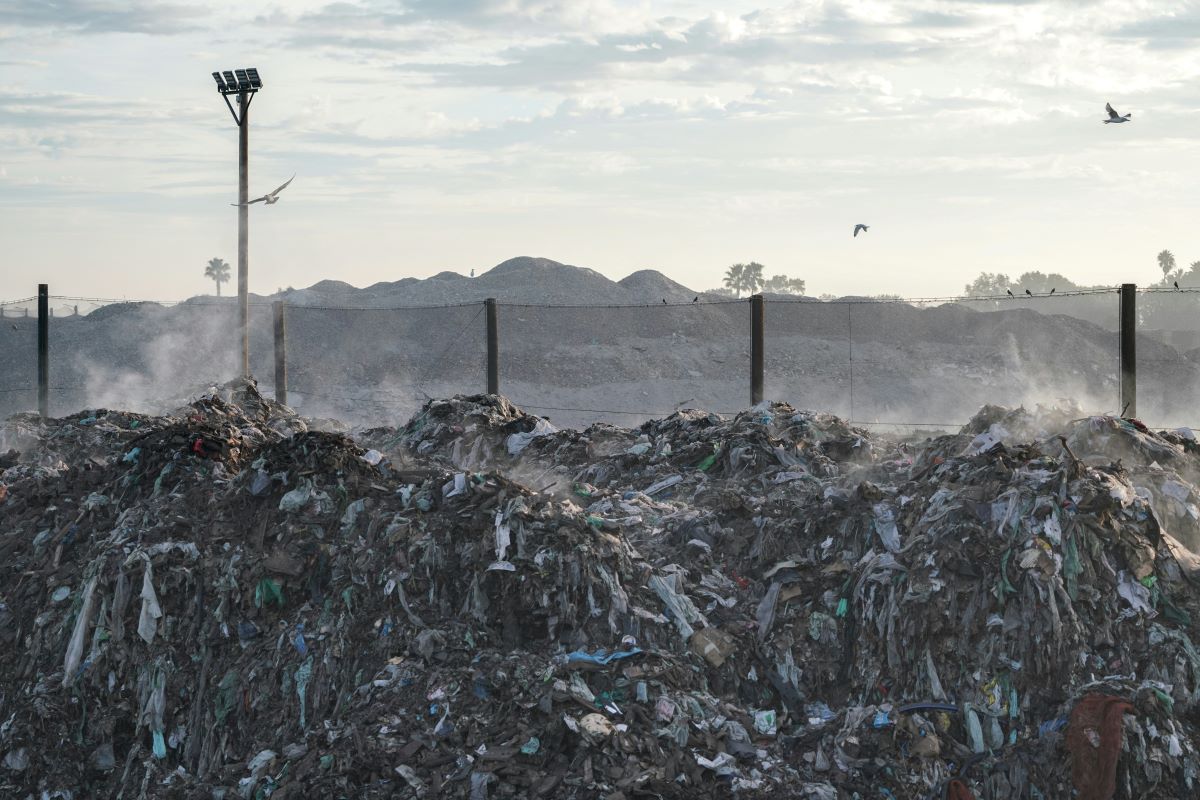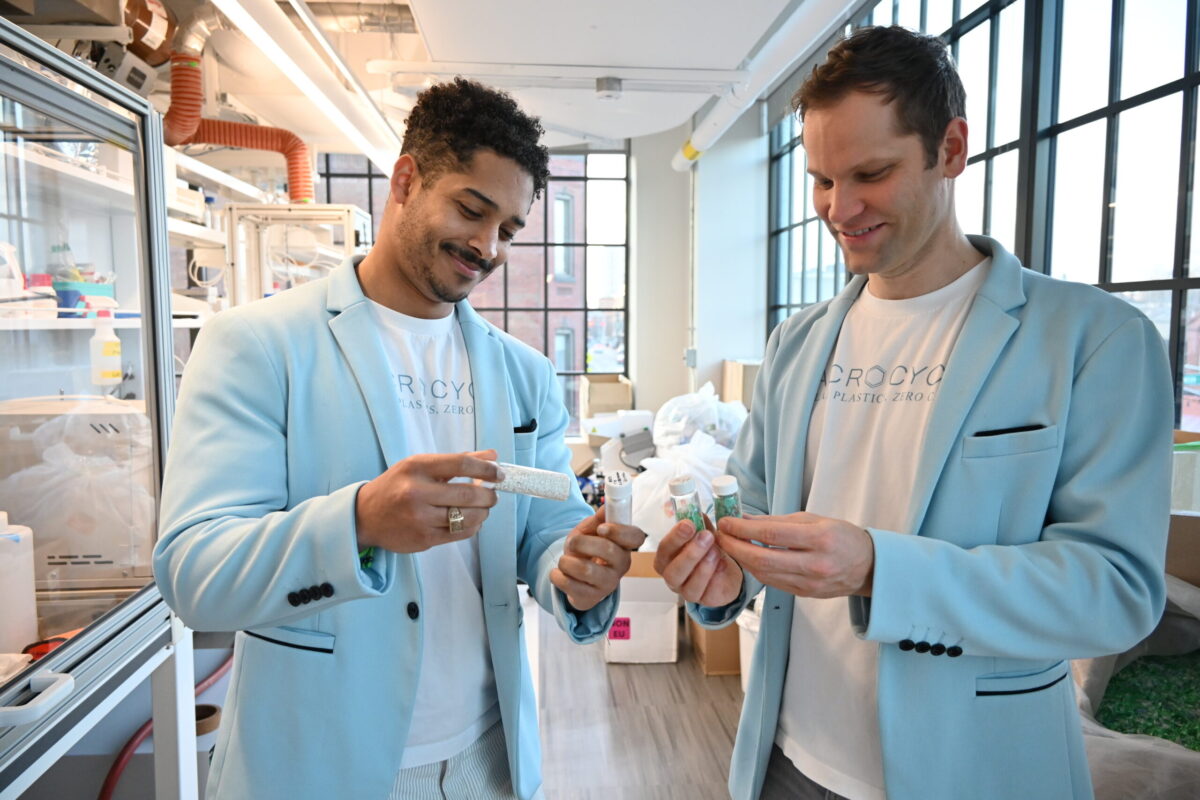

Polymer chemists and plastic engineers at MIT in Cambridge, Mass. have developed a process to break down and recycle plastic and polyester waste into high-quality “virgin-grade” resins for use in new products. The technology is powered with renewable energy to lower its carbon footprint and make it cost-competitive with other energy-intensive waste upcycling methods.
“MacroCycle’s superior unit economics, energy efficiency and ability to upcycle low-grade feedstocks gives them a critical competitive advantage in a sector that calls for innovation,” said Catia Cesari of Volta Circle, which led MacroCycle’s seed financing round with Clean Energy Ventures.
MacroCycle will scale a pilot plant for recycling plastic bottles and polyester textile waste from cosmetics, home goods and food and beverages. The company is targeting luxury and fast-fashion clothing brands and other companies with large packaging waste footprints and expects to produce the first bottles and garments made entirely from its recycled resin later this year.
Plastic circularity
MacroCycle has touted its technology as a cost-effective solution for the $30 billion plastic waste management industry, which is beset by high costs due to intensive labor and energy needs. It can also help recycle plastics with complex chemical compositions, which typically get incinerated or rerouted to landfills.
“Global plastic waste is expected to triple in the next 40 years, and current mechanical and chemical recycling methods are not able to deliver viable solutions to process plastics and textile waste streams,” said CEV’s Temple Fennell.
With early support from Bill Gates’ Breakthrough Energy Fellows program, MacroCycle says it has scaled up its technology by 100x from lab-scale beakers to a pilot plant reactor running at The Engine’s accelerator facilities in Cambridge. Other backers in the seed round include KDT Ventures and Neotribe Ventures.