
Aavishkaar Capital’s Supply Chain Support Fund provides credit to African and Asian small businesses that provide jobs in key economic sectors like agriculture, manufacturing, logistics and essential consumer services. The mandate for its working capital loans is to boost livelihoods and fair wages in its borrowers’ supply chains.
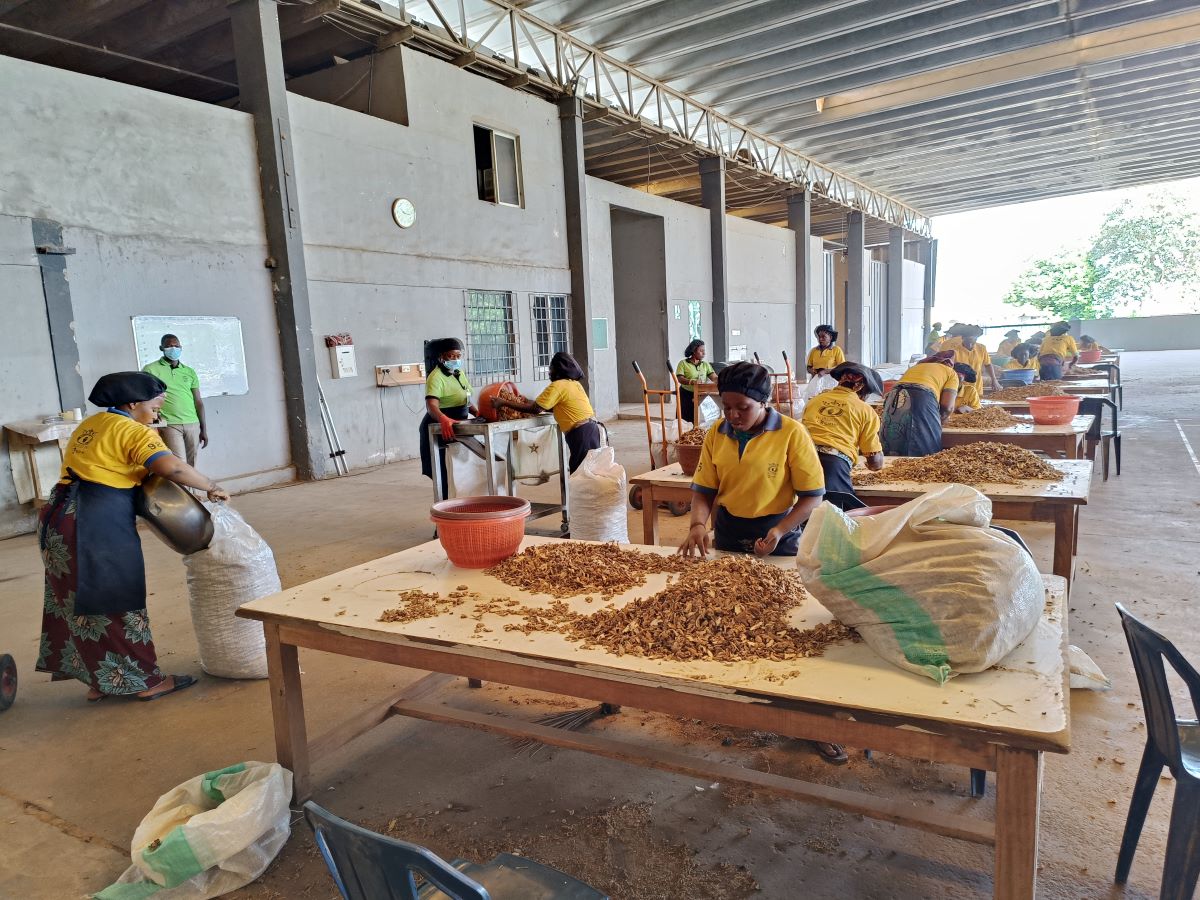
Its newest loan, to Nigerian spice company Horizon Group Africa, increases the company’s purchasing capacity from its network of more than 3,000 farmers of ginger, turmeric, clove, cinnamon, cardamom and black pepper. It will also ramp up processing at its plants in Nigeria, Tanzania and Madagascar, rather than shipping its raw materials elsewhere for processing before export.
“The business impact is to bring more value addition to the continent, and by virtue of doing that, there is more value capture of the margins locally, which can percolate downstream to the farmers,” Aavishkaar’s Darren Lobo told ImpactAlpha.
Debt demand
Mumbai-based Aaavishkaar Capital launched the fund in 2022 to meet a need for affordable small business debt. It provides loans of $3 million to $8 million. Many small businesses are family owned and need capital to grow, but do not want to give up a stake in the companies they’ve built.
“They probably will not accept the kind of terms private equity or venture capital firms give,” Aavishkaar’s Ashish Patel told ImpactAlpha. Credit, he added, “is a much better understood product in emerging markets.”
Emerging market investors are showing increased interest in debt funds, given their clarity on edits. “There is a lack of liquidity in equity,” said Lobo. “Exits are really difficult to come by.”
Investment ramp-up
Horizon is the Supply Chain Support Fund’s fourth investment in Africa, after apparel manufacturers Hela Apparel and Balaji and macadamia nuts processor and exporter Privamnuts. It also has three investments in India and one in Bangladesh. Its team is looking to close up to four more deals by year end.
To help businesses adopt fairer and more responsible labor and other practices, Aavishkaar provides hands-on capacity support with business accounting systems, supply chain traceability, and ESG policies that promote safe and inclusive workplaces.
Aavishkaar’s Supply Chain Support Fund was anchored with $55 million from German development bank KfW. Earlier this year, the Japan International Cooperation Agency invested $40 million. JICA’s investment aligns with an expanded mandate for investing in Africa’s economic development (for background see, “Japanese investors dial up deal-making in Africa”).