Wait and see. That was the tone of private equity managers and investors at this week’s SuperReturn private capital conference in midtown Manhattan following Donald Trump’s election victory last week.
PE firms have piled into renewable energy, green infrastructure and other building blocks of the energy transition, hoping to ride tailwinds from landmark Biden-era legislation, including the climate-focused Inflation Reduction Act and the bipartisan infrastructure law.
Trump is widely expected to take a wrecking ball to those programs as well as a broader range of environmental policies. Much of the IRA and infrastructure funds have already been deployed or committed, but unspent funds could be yanked.
“We are living in a moment of maximum uncertainty right now,” Robert Tichio of Fortescue Capital said at this week’s SuperReturn private capital conference in midtown Manhattan. “We’re going to need some clarity on the IRA.”
Stay the course
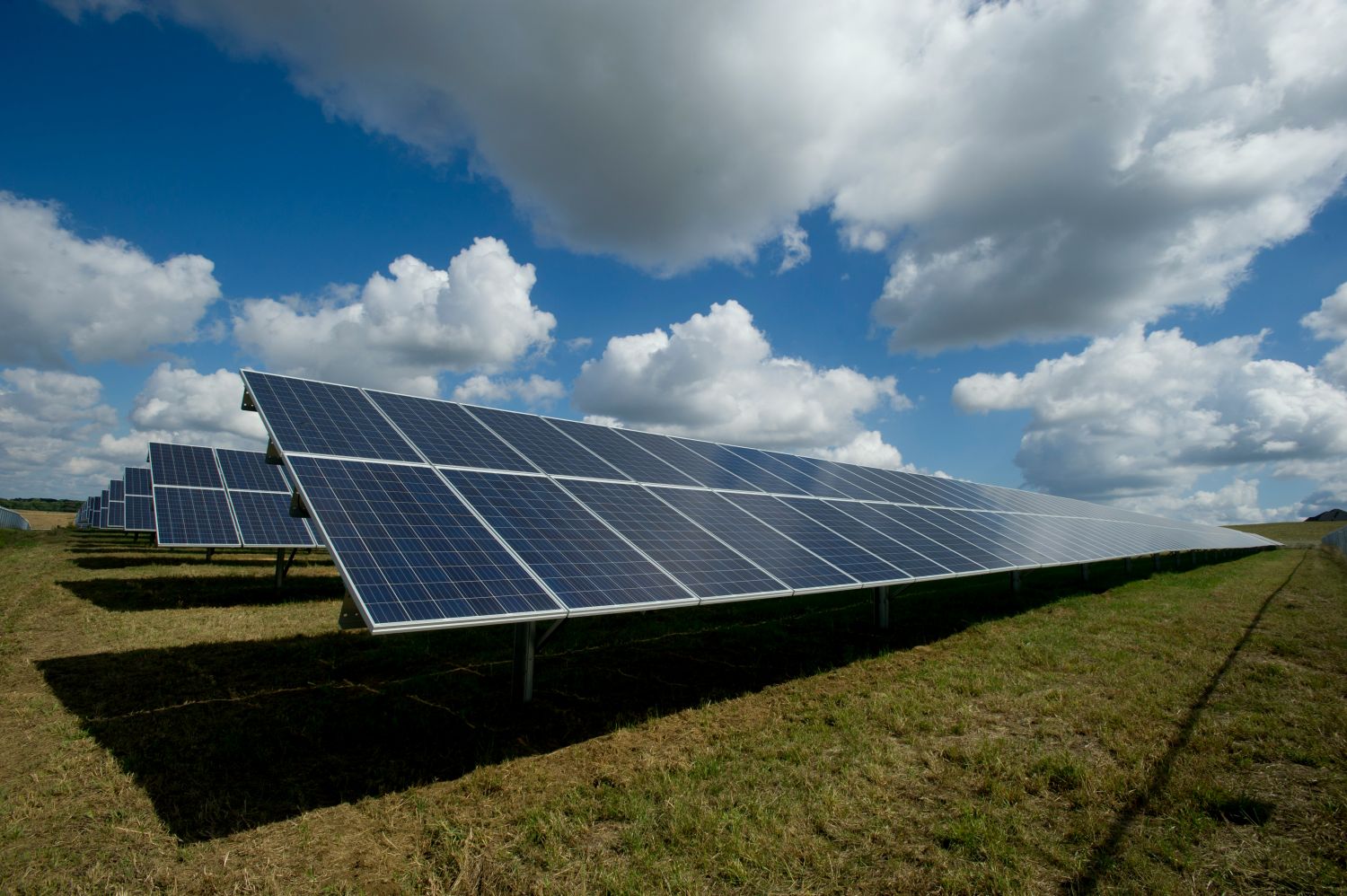
Several investors emphasized unstoppable momentum behind the transition, regardless of administration. “We’re bullish on the long term trends,” said Scott Chung of Tikehau Capital, a French sustainable investment firm. He noted that solar made up less than 1% of all new energy additions in 2010, but by the last year of Trump’s first term, it made up one-third of new energy.
Not even oil giant ExxonMobil, which has leveraged IRA incentives for hydrogen and carbon capture projects, wants to reverse course. At the COP29 climate summit this week, Exxon’s Darren Woods urged Trump not to withdraw from the Paris Agreement. “I don’t think the stops and starts are the right thing for businesses,” Woods told The Wall Street Journal. “It is extremely inefficient. It creates a lot of uncertainty.”
Green red states
The IRA has spurred more than $125 billion in private investment for 330 clean energy and vehicle projects that could create nearly 110,000 jobs – more than two-thirds of them in Republican congressional districts, according to the research firm E2.
“Domestic manufacturing and onshoring and industrial resilience have been catapulted forward,” said Brian Wayne of Curvepoint, which launched earlier this year to finance growth-stage climate tech companies (see, “Flexible financing to bridge a ‘missing middle’ for commercial climate solutions”). “I think that will continue to accelerate.”
Spring Lane Capital’s Jason Scott agreed, “No matter what happened in the election, the transition is happening.” One indicator is the number of “powerful people coming out of conventional businesses,” including oil and gas, who are investing in clean technologies, Scott said.
Another factor: Elon. Scott said Tesla’s Musk, who has a central role in the presidential transition, “actually understands the clean energy economy and technical innovation and all of these issues for economic growth.”