
The Green Climate Fund is down but not out. Just days after President Trump rescinded the $4 billion pledged for the UN-backed fund by the Biden and Obama administrations, the Green Climate Fund fund announced $687 million for 11 climate resilience projects in vulnerable nations.
The projects range from an early warning system to improve disaster preparedness in Togo to promoting climate-adaptive forestry in Serbia. The fund also committed $70 million in equity and a $5 million grant to a sustainable land fund launched last year by Mirova, an affiliate of Natixis Investment Managers.
The commitments come as the Green Climate Fund scrambles to make up the $4 billion hole, nearly a third of its capital, left by the pullout of the US, the fund’s largest donor. Other developed nations have called for countries such as China and Saudi Arabia to step up.
Sustainable land
The Green Climate Fund’s $75 million commitment is the latest injection into Mirova’s Sustainable Land Fund 2, or MSLF2, a blended finance initiative and impact fund launched last year. The fund aims to combat land degradation and promote sustainable land use practices in Costa Rica, Côte d’Ivoire, Ghana, Malaysia, Morocco, Peru, and the Philippines.
Mirova has partnered with Rainforest Alliance to develop a pipeline of locally-led agroforestry projects. Mirova is looking to raise €350 million ($377.8 million) for MSLF2 by the end of next year. It has attracted the SDG Impact Finance Initiative as the fund’s first junior investor.
French development financial institution Proparco and French insurance companies Abeille Assurances, Allianz France and BNP Paribas Cardif participated in the fund’s first close last year.
Nature-based solutions
MSLF2 shares mandates with its predecessor, which is to back small to medium-sized businesses offering agroforestry, sustainable forestry and regenerative agriculture solutions. Fund one reached a $208 million final close in 2021 with key investments in nearly 10 projects.
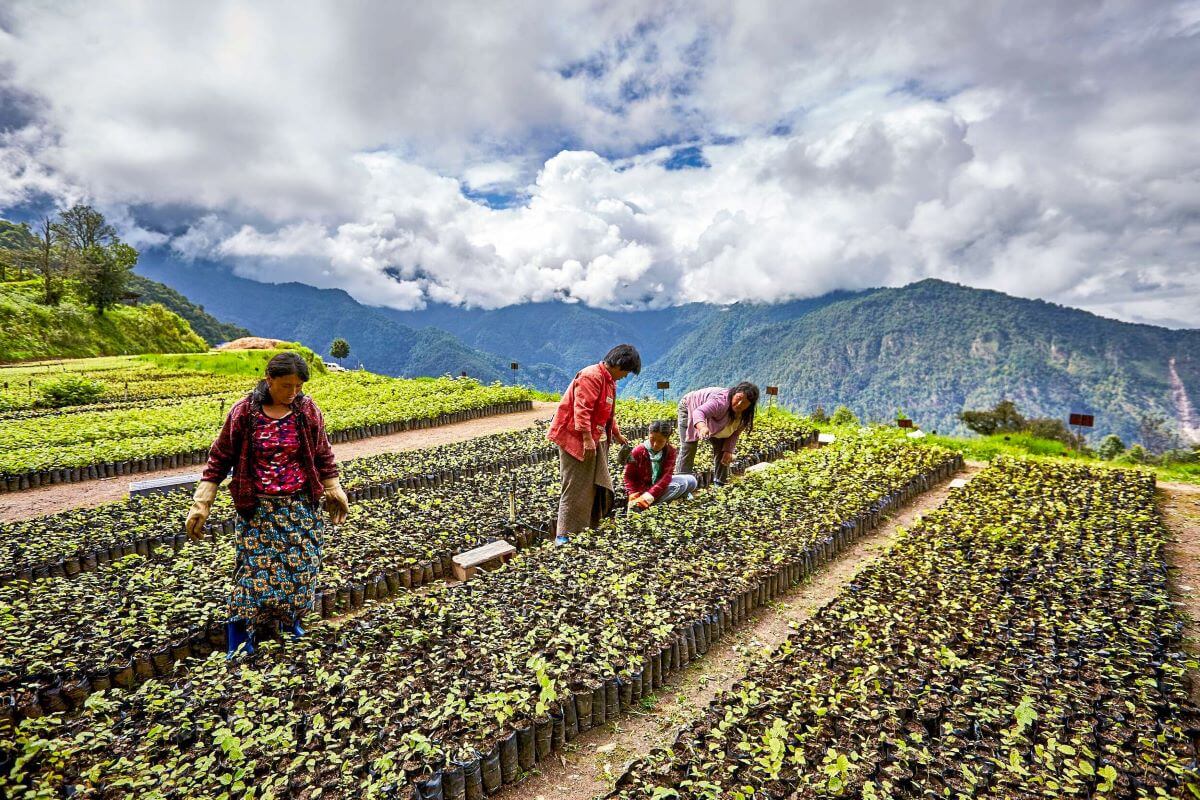
Among them were Mountain Hazelnuts, which works with rural smallholders in Bhutan to plant hazelnut trees that aid in restoring degraded land in the mountains; Brazil’s Aloe Agroflorestal, which sets up commercial forestry plantations on land degraded by intensive farming practices, and Koa, a Ghanaian-Swiss company which upcycles cocoa pulp to cut waste and offer additional income streams for local farmers.