
ImpactAlpha, May 9 – The world’s seafood farmers will need to invest up to $300 billion over the next decade to meet the booming demand for fish protein.
Such capital expenditures represent an opportunity for impact-minded investors to promote sustainable farmed fish production, according to “Towards a Blue Revolution,” a guide to sustainable aquaculture from The Nature Conservancy and Encourage Capital.
Circulate Capital brings corporate customers to sustainable-oceans investing
“Driving additional investment toward these low-impact production methods can help ensure that they achieve commercial scale and become more competitive relative to conventional production systems,” write TNC’s Robert Jones and Encourage Capital’s Jason Scott.
- Growing demand. The people want it. Sustainable seafood production is growing 10 times faster than conventional seafood. Sustainably sourced fish accounted for 14% of total seafood production in 2016, up from 0.5% in 2014.
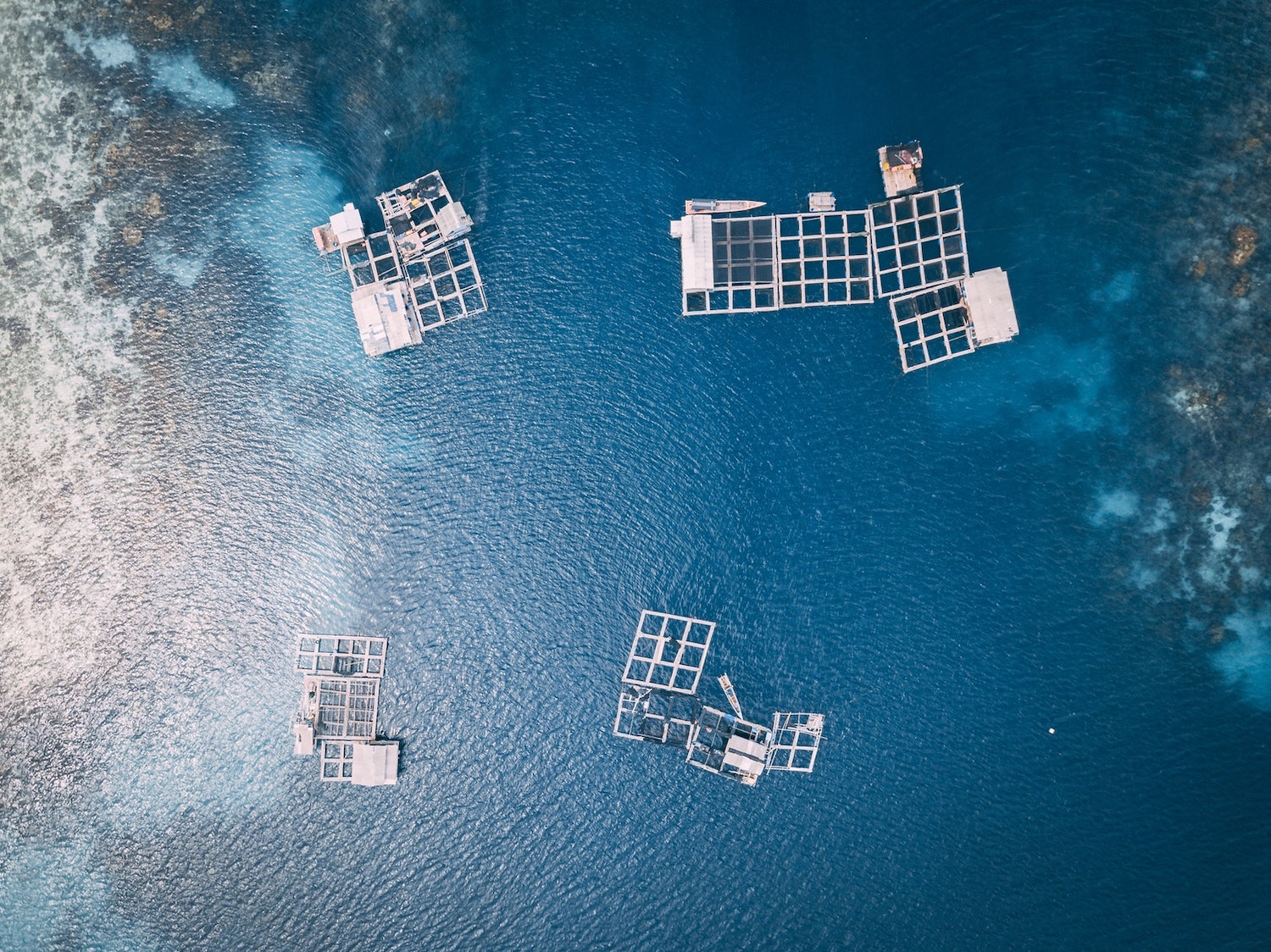
- Three opportunities. Among the high-impact, high-growth aquaculture production systems ripe for investment: Seaweed and bivalve systems (think oysters, clams and scallops) that require few inputs and act to restore degraded habitats. On-land finfish systems that can treat wastewater and take production out of the marine environment. Off-land finfish systems that move activities into deeper waters and away from critical habitats.
- Catalytic capital. Heavy capital expenditures and unknown risks have scared off investors. Concessionary and risk-taking capital can pave the way by subsidizing tech R&D, prototyping production of new species and underwriting “first plant” risk. For seaweed and bivalve models, inexpensive debt can help scale up production.
- Investor mobilization. The Meloy Fund raised $22 million for sustainable fisheries last year. Dutch sustainable aquaculture investor Aqua-Spark, with $81 million in assets under management, has backed 16 companies. The first investment from Althelia’s $37 million Sustainable Ocean Fund was in Kampachi’s sustainable tuna farm in Baja California. Pescador Holdings, developed by Encourage, has made investments in Geomar, a Chilean producer of canned seafood that works with small-scale fisherman, and Portland, Ore.-based Fishpeople, which sells packaged meals featuring sustainably caught fish.
- On the beat. Follow ImpactAlpha’s “Financing Fish” vertical where we track investor activity and enterprises targeting healthy, sustainable and tasty fish. ICYMI: “With oceans in peril, investors find new ways to invest in the ‘blue economy.’”