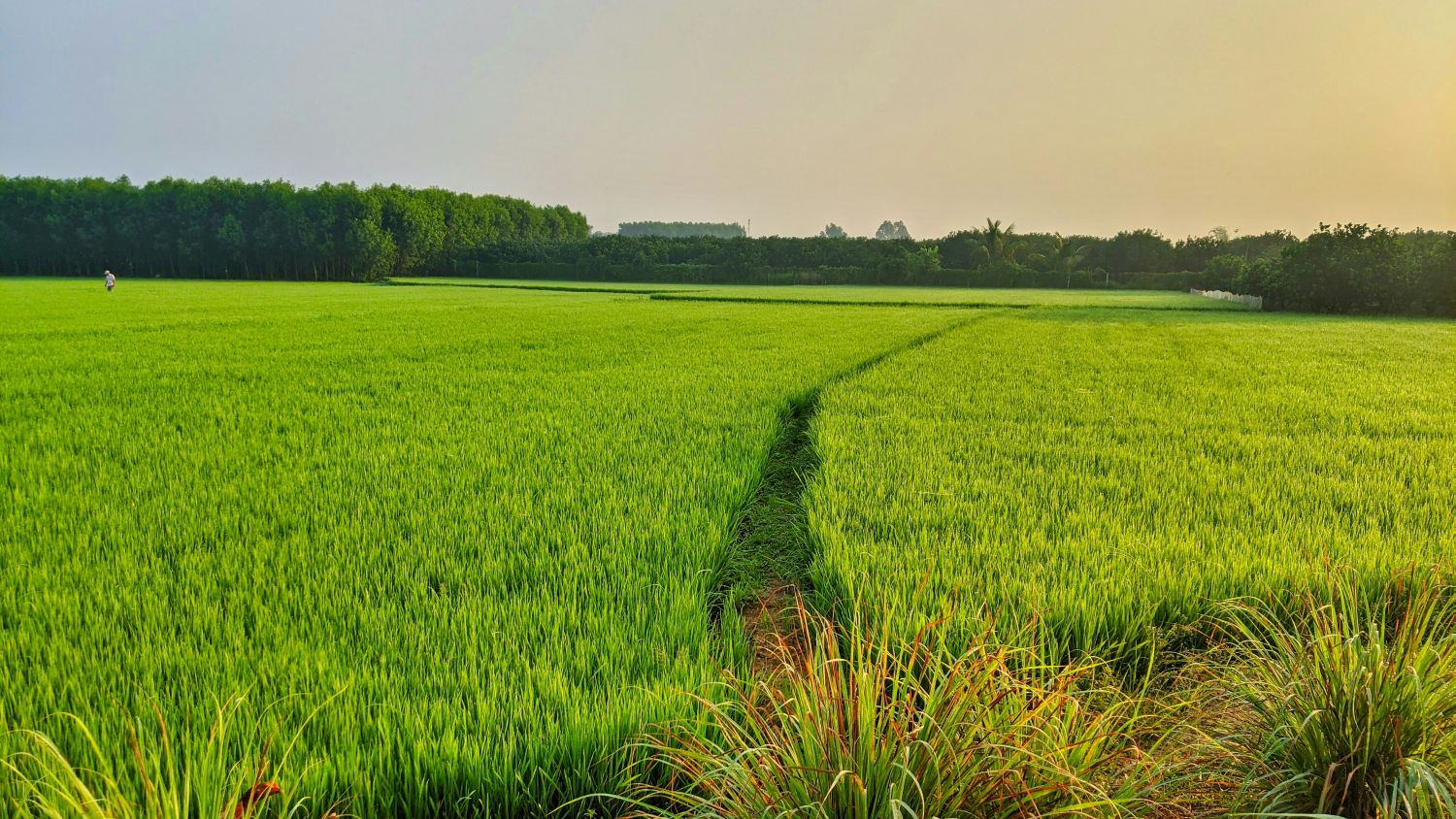

Flooded rice paddies deprive the soil of oxygen and allow microbes that break down organic matter to release methane. Yet farmers have little incentive to change the common planet-warming practice. Singapore-based Rize offers smallholder farmers in Southeast Asia discounted seeds and fertilizer in exchange for adopting water-saving irrigation methods that reduce methane emissions, and sells the traceable low-emission rice to premium export buyers.
Rize recently raised $31 million to expand into new Asian markets and sell its rice into Europe, Canada, and Australia. The Series B round includes $20 million in equity led by the natural capital team at BNP Paribas Asset Management, alongside
The Rockefeller Foundation, Temasek and Breakthrough Energy Ventures. An additional $11 million in debt came from United Overseas Bank, Bank for Investment and Development of Vietnam, and Temasek Foundation.
“Capital deployed into high-impact, durable platforms in underserved markets can deliver meaningful and measurable environmental outcomes to help address climate challenges,” said BNP Paribas Asset Management’s Alexandre Martin-Min.
Rice methane
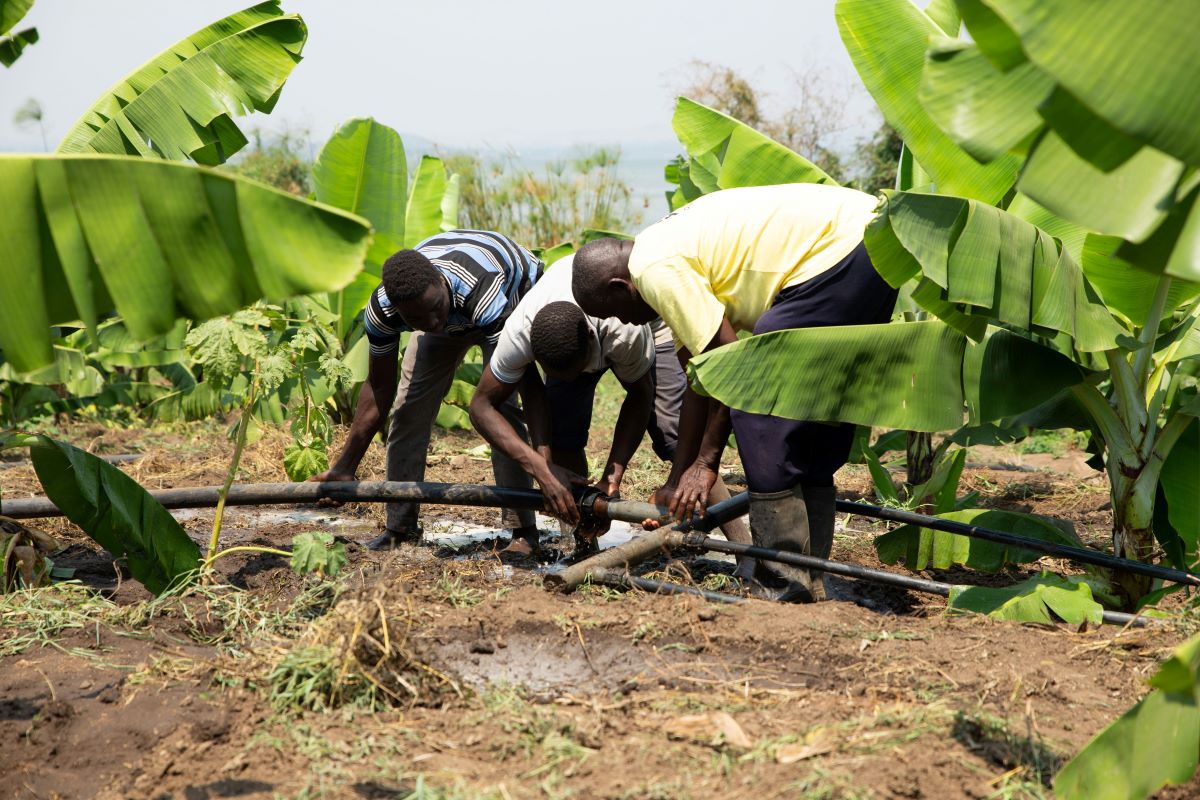
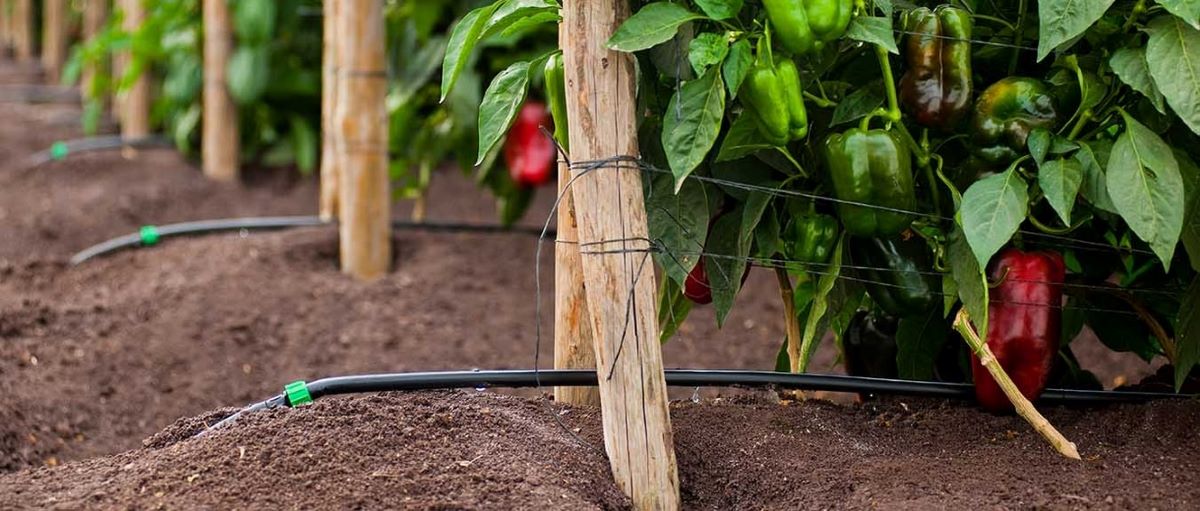
Temasek and BEV co-founded Rize in late 2022 alongside Wavemaker Impact, the Singapore venture builder now known as 100×100. Rize works with smallholder farmers in Vietnam and Indonesia to adopt alternate wetting and drying, an irrigation method endorsed by the International Rice Research Institute that lets fields dry in between floodings.
That can cut methane emissions by as much as 50%, reduce water use by 20% to 30%, and increase farmer incomes by up to 30% without reducing yields, Rize says.
Since raising a $14 million Series A last year, Rize has expanded to 17,000 farmers cultivating more than 50,000 hectares (about 124,000 acres) in Vietnam and Indonesia. Beyond selling rice, Rize is also building a carbon-credit business.
Its first project, covering sustainable rice production across Southeast and South Asia, received a provisional “A.pre” rating from BeZero Carbon, indicating that future credits are expected to avoid one metric ton of carbon dioxide each.