
Companies in the UK have a hard time directly sourcing clean energy, due to rigid credit requirements and grid constraints. UrbanChain’s private clean energy marketplace helps companies bypass utilities, and energy generators to sell power directly to customers.
“The model fundamentally broadens access to renewable power,” UrbanChain’s Charlie Parry told ImpactAlpha. “By matching generators and consumers in private markets, we remove intermediaries and open access to affordable, traceable clean energy.”
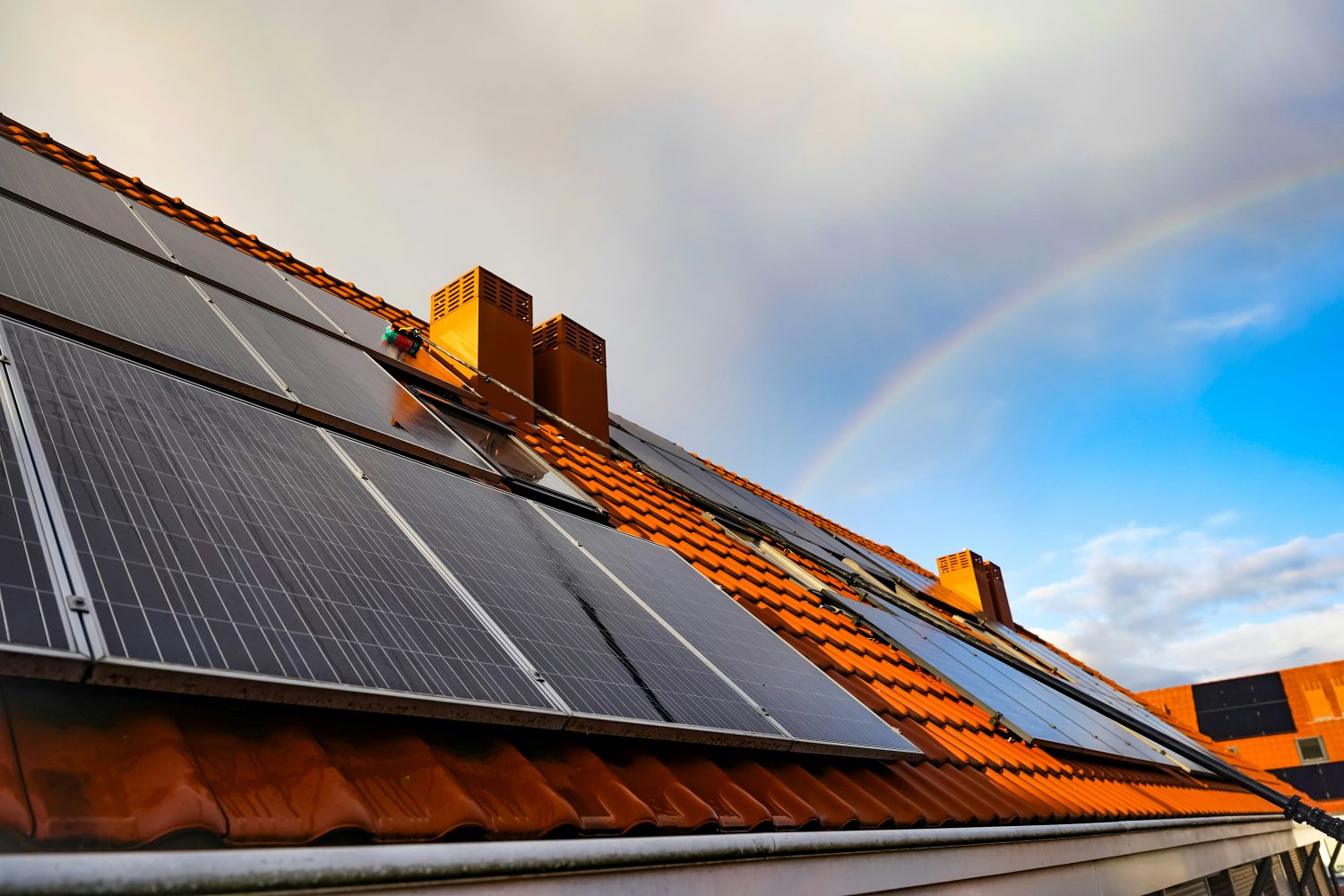
The Manchester, UK-based company has struck a 15-year agreement to purchase three gigawatt-hours of surplus solar energy from Ampyr Distributed Energy, an investor in corporate and industrial clean energy.
Private market
UrbanChain uses AI to match supply and demand every half-hour, which helps businesses secure lower prices and generators secure long-term revenues. Its deal with Ampyr covers surplus energy from Ampyr’s UK portfolio of solar installations and is set to expand as Ampyr’s portfolio grows.
“At scale, this model has the potential to reshape how corporate energy is bought,” Parry said. “By locking in pricing over a 15-year term, businesses are insulated from the volatility of wholesale markets, which are often driven by external geopolitical shocks, such as the recent Iran-US and Russia-Ukraine conflicts.”
UrbanChain declined to give financial details.
Downmarket opportunity
UrbanChain says it manages nearly one terawatt-hour of contracted and pipeline volume for businesses, infrastructure operators and local authorities. Parry said it is serving large businesses and public agencies but will look to extend access to smaller businesses, community projects and local infrastructure.
“By providing greater certainty over the value of the energy we export, [we support] continued investment in onsite renewable generation while delivering attractive long-term returns,” said John Behan of Ampyr.
UrbanChain is backed by public and private institutional investors, including Eurazeo, the UK government’s innovation division Innovate UK, and the UK Department for Energy Security and Net Zero.