It’s reset time for climate action.
Climate Week NYC is a kind of pep rally for climate and impact investors who are back in the fray after pulling back to assess the extent of the policy damage of recent months, particularly in the US.
As the dust has settled, a fragile new spirit of mobilization seems to be taking hold. Private and philanthropic funders with an eye on the long term see an opportunity to step up to and fund climate tech sectors battered by the US retreat. Commercial investors see a buying opportunity as valuations settle (for background see, “For climate fund managers with dry powder, there’s rarely been a better time to invest”).
“I’m hoping that this is a helpful week to kind of get people back focused on deploying, on allocating money to these sectors and realizing that this is not a lost cause,” Beth Bafford of Climate United, a key player in the Biden-era green bank program that has been under attack by the new administration, told ImpactAlpha last week. “There is still a lot of great opportunity.”
The signs of mobilization are everywhere. The All Aboard Coalition is looking to clinch $300 million or more to co-invest alongside Breakthrough Energy Ventures, Khosla Ventures and other top climate tech VC firms in innovative startups building their first commercial plants, and close its first deals before year end.
“We need a few people to join forces and be bold together, and the returns that we’ll get from that will be remarkable,” Chris Anderson, the investor and former TED curator who co-organized the coalition, told ImpactAlpha earlier this month.
Galvanize, the investment firm headed by Tom Steyer, last week debuted a $1.3 billion Credit and Capital Solutions strategy to finance companies and projects developing renewable energy or other decarbonization efforts. The fund will deploy bespoke financing to fill what Galvanize sees as a gap between bank debt and private credit markets, the firm’s John Delaney told ImpactAlpha.
“That’s the part of the market that is most attractive, but also helps unleash the most projects to advance the energy transition,” he said.
Call that a good start. A June report from BCG and Elemental Impact estimates the finance needed by climate tech startups to cross the chasm to commercial scalability at $150 billion globally. Elemental has introduced the Development-SAFE, or D-SAFE, a twist on the “simple agreement for equity” widely used in Silicon Valley. The structure was created by Elemental and law firm Wilson Sonsini to address the specific needs of startups developing their first pilot plants or commercial facilities.
Elemental last week released templates for D-SAFE agreements as well as a guide for customizing them that others can adopt. Elemental’s $7 million in D-SAFEs have unlocked 10x that in public and private capital for companies such as Nitricity, which is building a commercial plant in Delano, Calif., to make organic fertilizer from recycled almond shells. Nitricity subsequently raised $50 million in a Series B round led by World Fund and Khosla Ventures.
Greening communities
At the lower end of the market, months of talks are beginning to coalesce around concrete efforts to salvage some of the economically viable projects for greening communities surfaced by the grantees of the Greenhouse Gas Reduction Fund, or GGRF — even as a protracted legal battle over the program’s future plays out.
Many of those projects remain commercially viable, and others could attract investment with an assist from loan guarantees or other credit enhancements.
ImpactAssets, backed by philanthropic capital, is rallying family offices and others for an Energy Catalyst Fund to provide low-interest loans to help stalled community projects get underway.
GGRF grantees are also pursuing their own efforts to fund deals. Leaders of these efforts will try to clinch fund commitments at closed door meetings taking place at Climate Week.
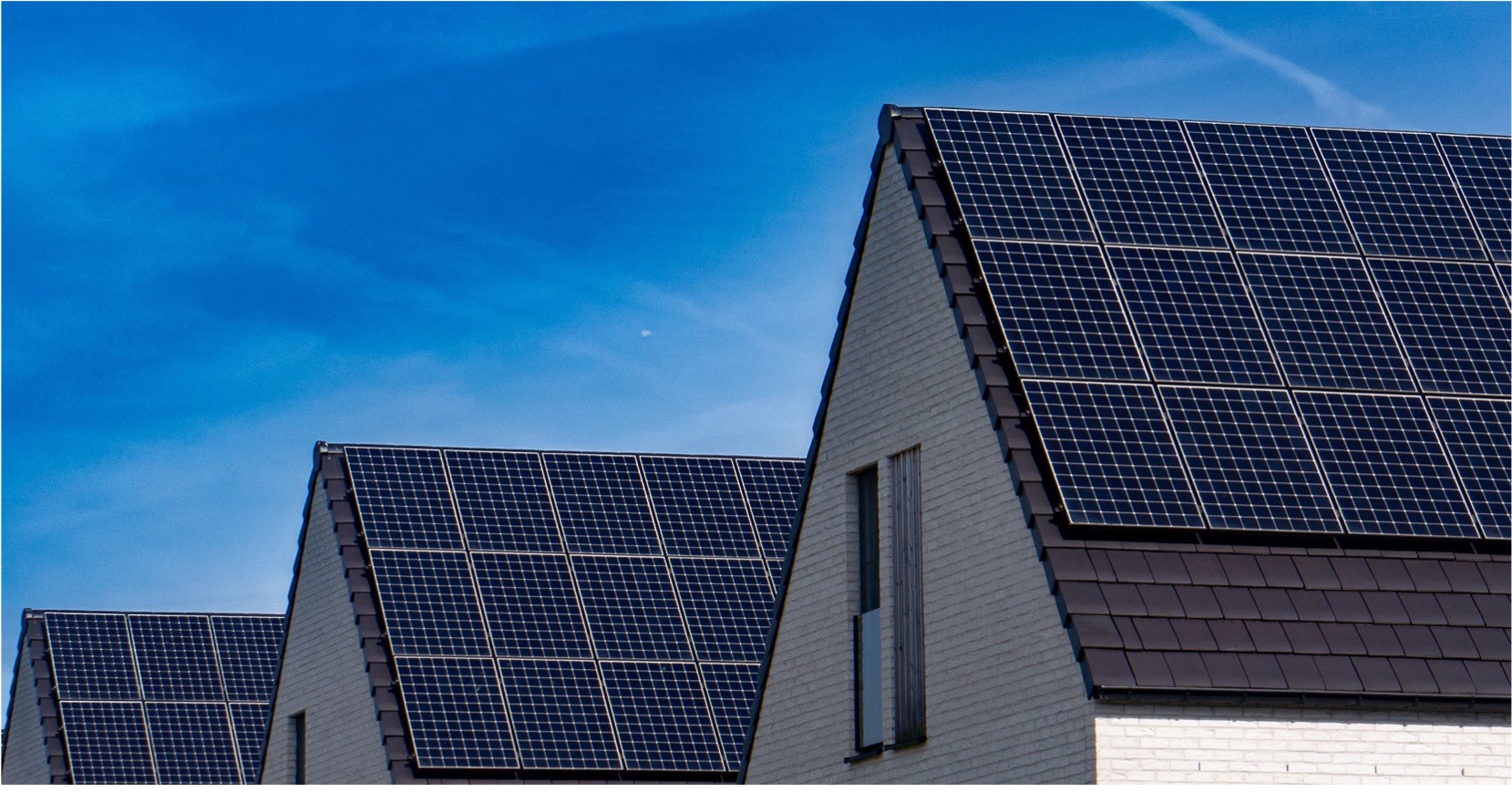
The Trump administration has taken direct aim at The $27 billion GGRF, passed by Congress as part of the Inflation Reduction Act. The three parts of the fund were aimed to establish a self-sustaining financial network that would finance rooftop solar, green energy retrofits, electric buses and other community-scale projects in low- and middle-income neighborhoods across the US.
Some $17 billion in GGRF funding has been frozen in a Citibank account by the Environmental Protection Agency, which under Trump is seeking to nullify the program. The amount in dispute was reduced from $20 million after the Coalition for Green Capital was able to distribute $2.7 billion to four investment firms before the funds were frozen,
As ImpactAlpha has exclusively reported, the first deal from those partners is expected in as soon as a few weeks. The coalition, a green bank network, had originally been awarded $5 billion in GGRF funds.
An appeals court is weighing whether to bring the case to a full panel, after a three-judge panel ruled in favor of the EPA and overturned a preliminary injunction that would have released the frozen funds. A decision is expected within two weeks on whether the full court will take up the case; a verdict could take several more months. If the appeals court declines a full hearing, the case will move to federal claims court, which could delay a ruling by up to five years.
“How do we all collectively understand and appreciate the weight of what has happened, while not letting that weight hold us down?” says Bafford of Climate United, which had geared up to deploy $7 billion in GGRF funding before the freeze. Despite the setbacks, the challenge remains “to chart a path forward to bring the benefits of clean technologies to communities across the country.”
Bafford sees Climate Week as a potential turning point.
“The proof will be in the pudding. Watching commitments is going to be important throughout the fall to see if real money is moving.”