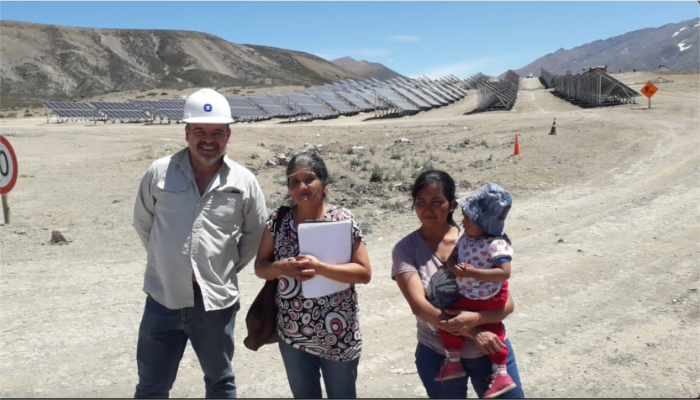
An 18-megawatt solar project in Argentina’s Patagonia region is demonstrating what Indigenous equity and asset ownership could look like in Latin America’s clean energy boom.
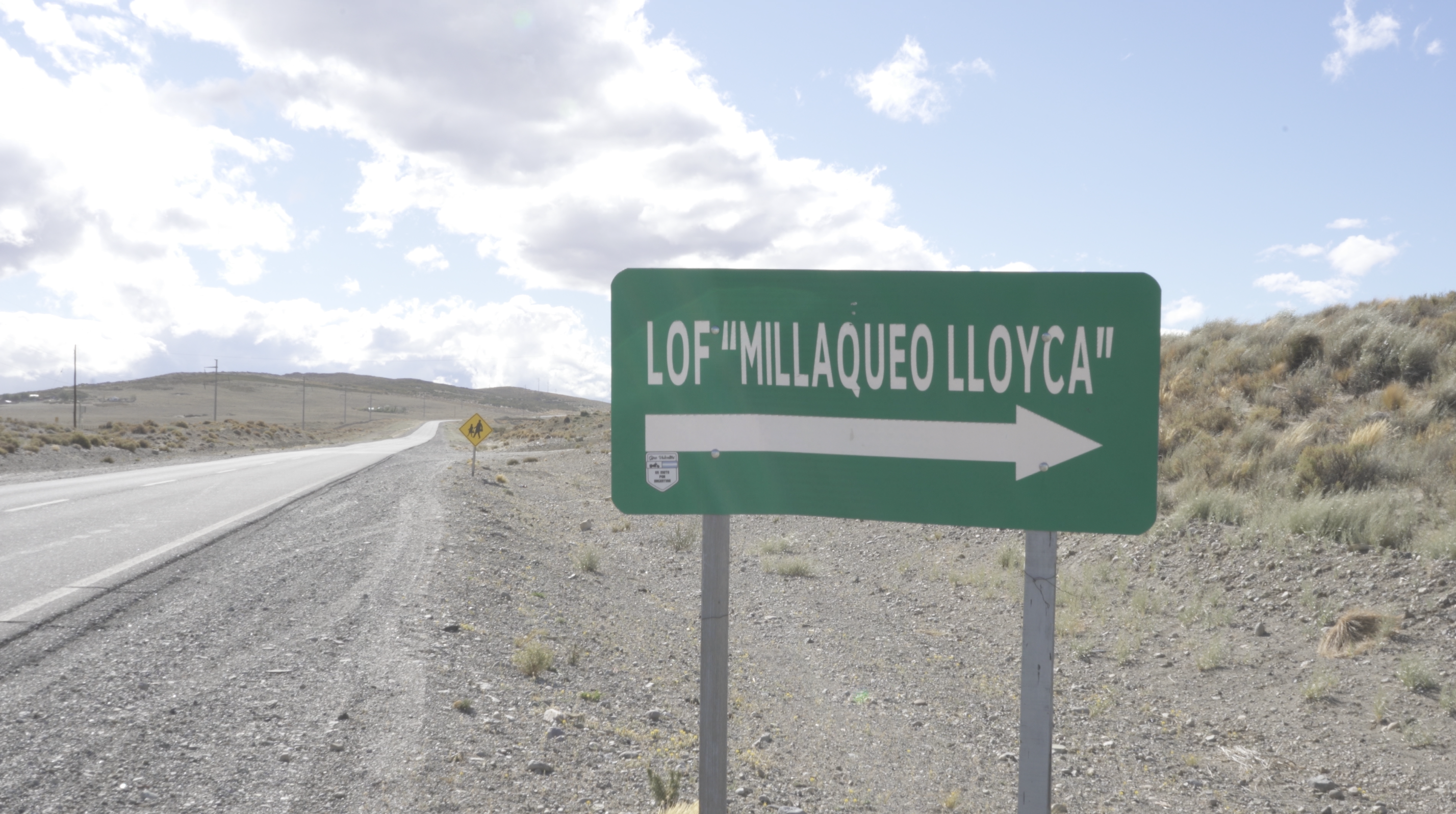
Ecuador-based Meliquina is developing the project with the Indigenous Mapuche Millaqueo community on 25,000 acres of the community’s land near the Chilean border. For their work on the permitting process, site design, environmental planning, and investor and regulator engagement, the community is earning a stake in the project and a share of its future profits.
The design offers the community, which holds the rights to valuable land but has little financial capital to invest, an opportunity to benefit from the green transition.
Moreover, it builds on models in the US, Canada, Nepal and elsewhere that are resetting economic agency and ownership around communities historically overlooked or sidelined by mainstream industry and finance.
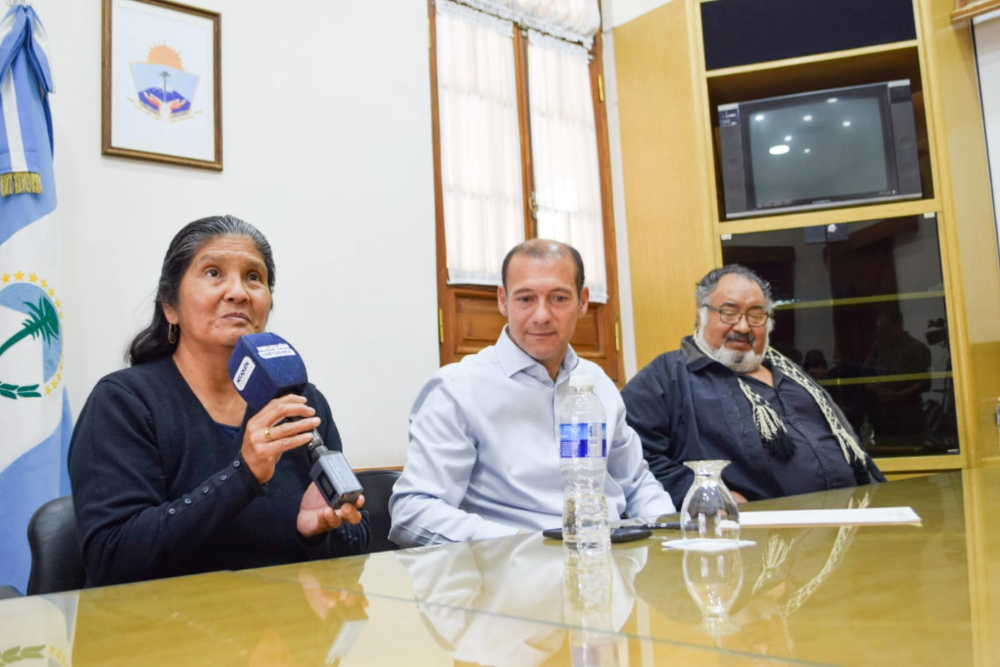
“They were proposing we be partners in a renewable energy project,” Stella Zapata, a Mapuche leader and a key voice in the development of Antu 1, tells ImpactAlpha. “It wasn’t about being employees or beneficiaries, it was about being partners. That was something totally new.”
Community co-design
The Antú 1 project — named for the Mapuche word for “sun” — is part of Meliquina’s Community Equity Opportunity Fund, a new blended-finance fund to catalyze local investment and ownership of renewable energy projects in Latin America. The fund model is supported by Climate Policy Initiative’s Global Innovation Lab for Climate Finance. The project, meanwhile, has been in the works for seven years.
The Mapuche Millaqueo have “participated from scratch in the design of the project,” says Meliquina’s Juan Dumas. But when Meliquina first approached the community in 2018, they didn’t have legal title to their ancestral territory. Any prospect of development was off the table until that changed.
“Land rights are possibly the most important thing” when working with Indigenous communities, says Dumas.
Meliquina spent more than four years helping the Mapuche Millaqueo navigate Argentina’s complex land titling process, finally seeing them secure their title in 2023.
Afterwards, says Dumas, “they came to us and said, we have now concluded decades of trying to get our land rights. It is now time for us to fight for our economic rights.”
Meliquina and the Mapuche Millaqueo have worked hand in hand on every aspect of planning and execution. Where there was a knowledge gap, Meliquina has provided training sessions to the community to ensure they understand the project’s complex financial model, renewable energy basics, and legal frameworks.
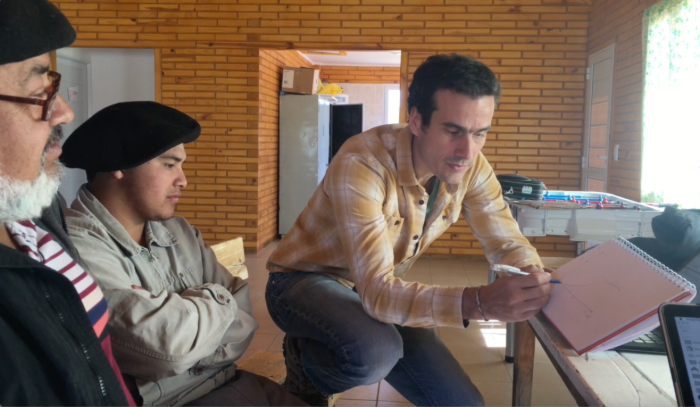
“We’ve learned everything, because that’s what it takes to build trust,” Zapata says.“We’ve had to understand legal tools, because our land is communal and can’t be sold.”
In turn, the community’s engagement with investors and regulators has helped derisk Antú 1 in ways that would not be possible without their involvement, shares Dumas.
Trust takes time
Investors and entrepreneurs working with Indigenous communities often emphasize “moving at the pace of trust” and in line with local cultural norms. Such work takes time, and portends what is required to ensure the climate transition doesn’t replicate and deepen the extractive practices, as ImpactAlpha has previously reported.
“You have a different way of getting permission for projects. You have to build a really strong basis of support from community members,” Brett Isaac of renewables developer Navajo Power told ImpactAlpha.
Indigenous-owned Navajo Power is co-developing utility-scale solar projects with tribal nations, making sure they get a stake in projects and profits on their lands. Its first project, which has been in the works for six years, is a 750 megawatt plant on the site of a retired coal plant on the Navajo Nation, the largest tribal country in the US.
In Canada, Indigenous First Nations and Métis communities have acquired equity in more than 200 medium- and large-scale clean energy projects with average ownership stakes of over 30%. Revenue from these investments now funds local services, businesses, and infrastructure.
In Nepal, local communities in 2010 won the right to invest in state-run hydro projects after organizing and legal action. At least a dozen projects have since raised funding from community shareholders.
For Antú 1, once the Mapuche Millaqueo had secured their land title, it took less than a year to secure an environmental license. The project is expected to break ground next year.
“The biggest barrier isn’t technical or legal—it’s mental,” says Zapata. “Developers come in expecting conflict. But when you treat communities as partners, you save time, reduce risk and build something that actually lasts.”
Inclusive finance
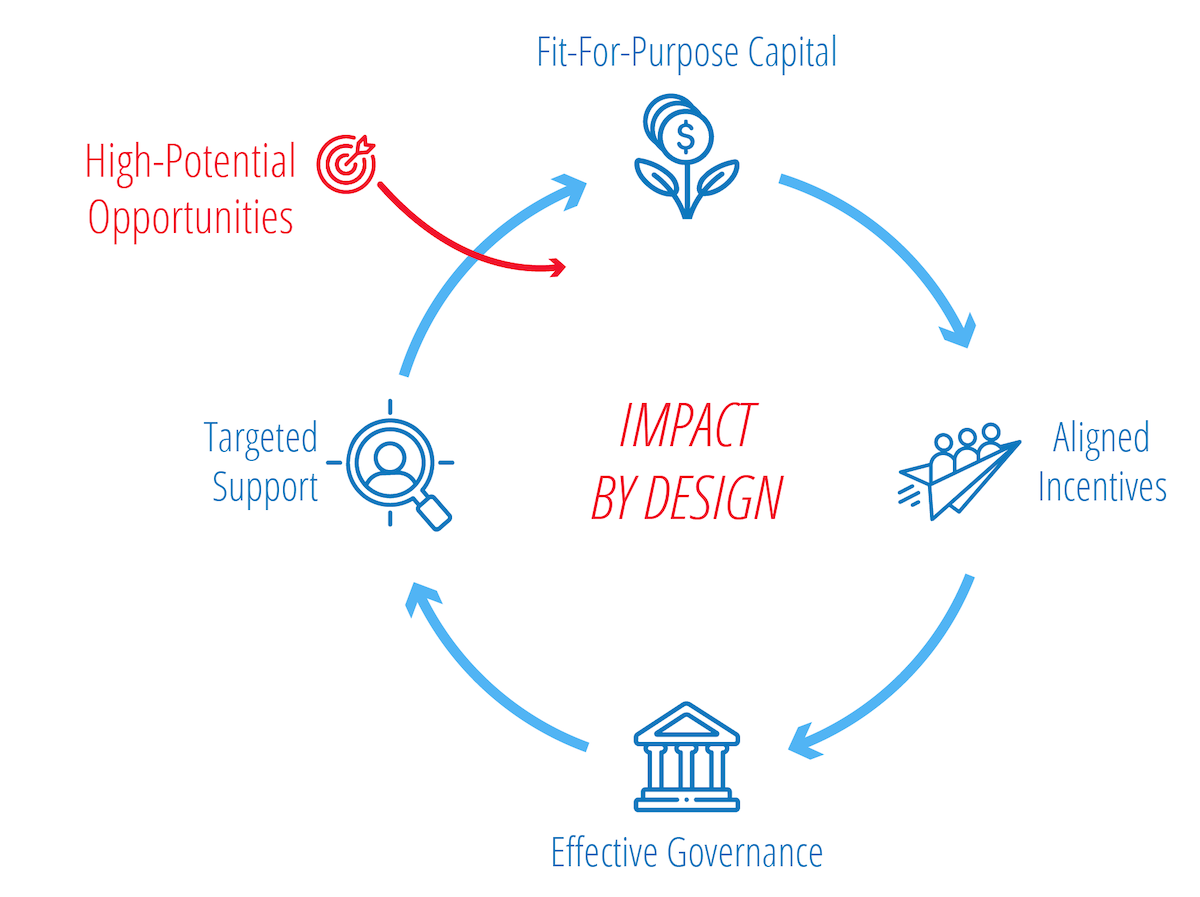
Meliquina’s Community Equity Opportunity Fund model is structured to bring in different types of capital at different stages of a project’s development. Donor funding covers early project planning costs. A mix of grants and loans is used to cover construction costs. Once sites are operational, Meliquina puts up guarantees to help communities secure debt to cover their ownership stake.
The structure was designed to ensure partner communities like the Mapuche Millaqueo wouldn’t have to pay anything upfront. Zapata says that had been a key concern of theirs at the outset.
“Our first question was, how can we be partners in something that needs millions in investment when we only raise goats? We’re herders—we didn’t see how we could contribute,” he says.
The “sweat equity” approach made sense to the community.
“We’ve been doing community management for over 60 years. We know the local actors, politics and companies, [just] no one had ever proposed that we be part of development—sharing in the profits, the costs, and the decision-making,” Zapata explains. “We said, wow, yes, we do have capabilities.”
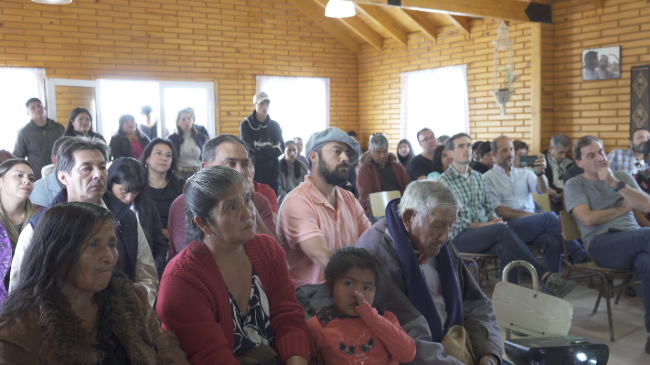
The Mapuche Millaqueo will be paid a land-use fee for hosting the site as well as a cut of profits once Antú 1 is operational. Early proceeds will be used to repay debt and cover operating costs.
“But we’re also thinking bigger,” says Zapata. The community is considering how to use future dividends to address local infrastructure needs, buy additional equity, and even finance new ventures using Antú 1 as collateral.
“We’re constantly brainstorming viable, grounded ideas,” says Zapata. “We’re not dreaming—we’re planning.”