When it comes to snagging deals in private equity, the early bird — and the big bird — gets the worm.
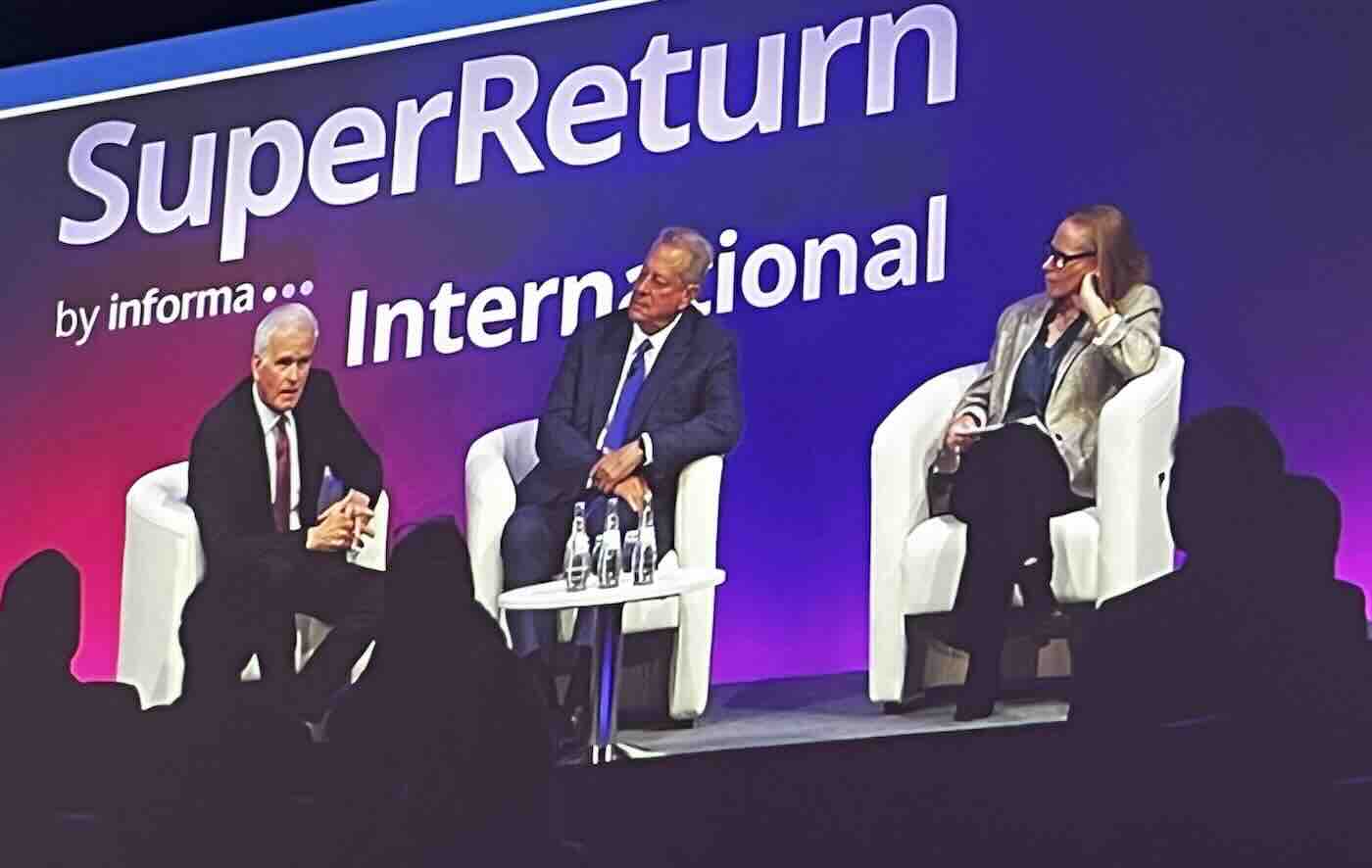
“We typically get what’s referred to as big bird and early bird discounts — big bird meaning size discounts, and early bird discounts by being in the first close of these deals,” says Steven Meier who, as the New York City Retirement System’s chief investment officer and deputy comptroller for asset management, oversees investments for the city’s five public pension funds.
The $288 billion pension fund system is getting lots of worms lately.
After selling some $5 billion in aging private equity assets to Blackstone — one of the largest secondary transactions to date — the city’s pension system is leaning into the alternative asset class, even as others are leaning out.
The secondary sale culled 75 private equity managers and more than 125 distinct funds from across New York City five retirement funds, enabling the retirement funds to realign its strategy and focus on a core set of about 40 or 45 managers. The secondary sale enabled the retirement system to “streamline the portfolio, improve performance, and reallocate to those core partners of ours that we think could really do great things for our portfolio over time,” Meier told ImpactAlpha in a wide-ranging interview.
The difficult fundraising environment for private equity managers has translated into more clout for large and willing LPs like New York City.
“We’ve been able to get great access to really the top managers out there,” Meier said. That includes negotiating “much better economics in terms of lower levels of carry,” or the share of profits that a fund’s general managers take, and securing co-investment privileges that eliminate management fees and carry altogether.
Co-investment
Although each negotiation is bespoke, he said, the city typically tries to negotiate about a third of its total investment in a given fund as co-investment. Such “no-fee, no-carry private equity,” Meier says, “will really have a positive impact on the portfolio returns, not necessarily today, but three, five, or ten years out.” For the remaining two-thirds of investments, the early and big bird discounts trim costs further, says Meier, who has been critical of excessive fund fees and the outsized wealth they generate for asset managers.
The secondary sale drew some 80 bidders for all or part of the portfolio. BlackStone’s Strategic Partners, with a $22 billion secondaries fund, was the sole buyer for the $5 billion stake. Meier won’t discuss terms, but said, “Anytime you sell in the secondary market, there’s going to be some level of haircut or discounts as required.” He is pleased with the timing of the sale, ahead of other big PE stake sales as well as President Trump’s “Liberation Day” tariff offensive in early April, which tanked valuations and deals. The retirement funds have also executed a series of smaller secondary transactions.
Unlike other high-profile sales driven by a need for liquidity, Meier says New York’s was purely strategic. Yale University has made headlines as it considers selling a $6 billion chunk of its $20 billion private equity portfolio amid Trump administration threats to cancel funding for some universities and revoke their tax exempt status.
Sales of secondary stakes hit a record $160 billion last year. Transaction volume in 2025 is on track to surpass that, with $102 billion in secondaries changing hands in the first half of the year, according to Evercore.
“Private equity is a core holding of ours,” says Meier. “It’s something that we continue to believe will drive performance of our portfolios over time.”
The NYC system has bumped up its PE allocations from 6% to 8% to up to 12% across the five retirement plans. New York Governor Kathy Hochul in 2022 raised the cap on the amount city and state pension investments can invest in alternatives such as private equity from 25% to 35%, prompting the system to increase its exposure to alternatives, including infrastructure, private credit and private real estate in addition to PE (it’s sitting out venture capital for now).
The retirement system is also looking to take advantage of secondary discounts as a buyer.
Diverse and emerging managers
Like some other big pension funds and long-term investors, the New York City Retirement System is holding firm on climate, diversity and other politically charged investment themes.
“Everything we do continues to be looked at through an ESG lens, as opposed to buying an investment that’s labeled ESG,” says Meier, referring to environmental, social and governance practices. “It’s really part of our core due diligence process.”
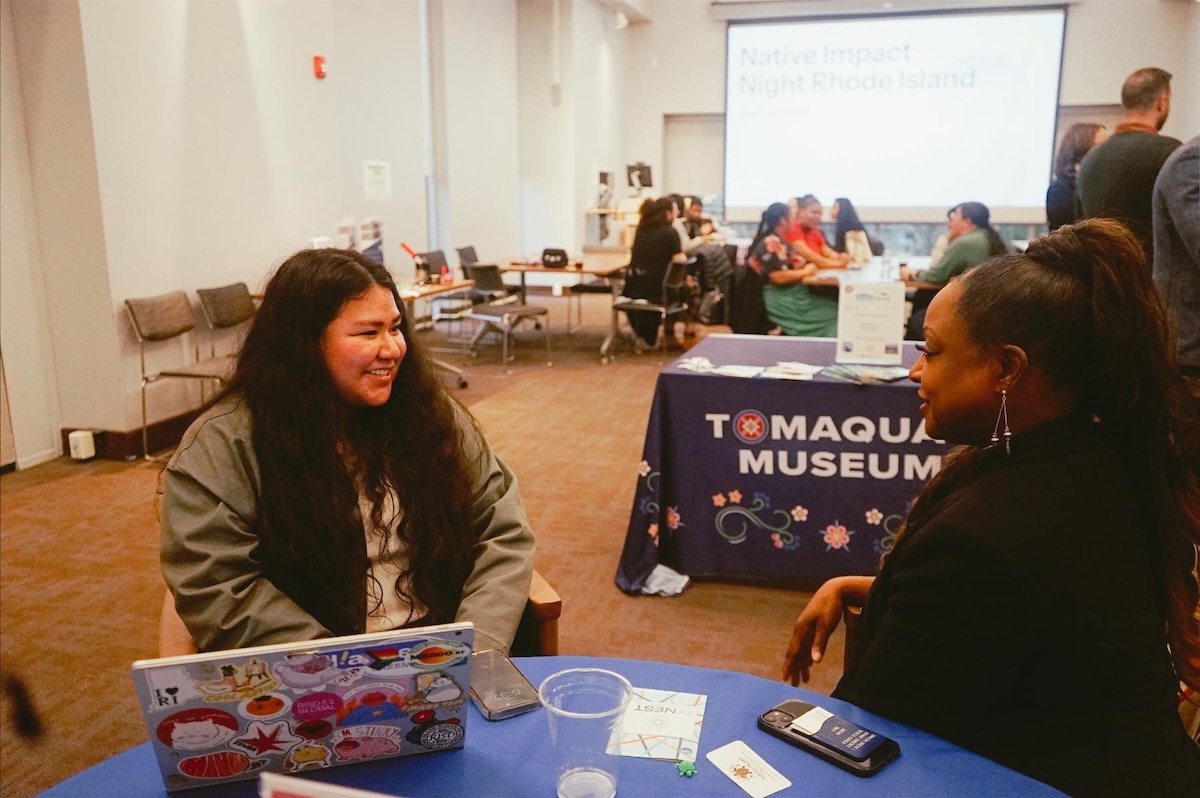
In February, the Comptroller’s office hired Valerie Red-Horse Mohl as Deputy CIO for Responsible Investing. Red-Horse Mohl, formerly president of Known, a diverse-led asset manager she cofounded, earlier helped the East Bay Community Foundation move most of its assets to managers of color.
Red-Horse Mohl is spearheading the retirement system’s diverse and emerging manager programs and its economically targeted investments, a place-based strategy that invests in affordable housing, health and other areas. She has already proposed investments. Red-Horse Mohl will also oversee shareholder engagement and ESG investment.
“I take a long term view of investing given my background working for tribes and endowments and foundations,” she shared with ImpactAlpha. “So this is a perfect fit.”
Diverse and emerging managers are “a great source of diversification for the portfolio,” says Meier. “We also think a lot of the smaller managers can find niches where they can actually outperform the bigger managers. For us, it’s a matter of doing that at scale.”
Meier would not comment on any particular funds that were part of the secondary sale or other deals. But the retirement systems seem to have divested from at least some of its emerging manager funds since realigning the portfolio. A scan of the retirement system’s public data show several funds that were in the portfolio in February before the sale were no longer listed in April.
They include funds from Siris Partners, Palladium Equity Partners, GCM’s Emerging Manager Fund, and Fairview Emerging Managers, which were part of the retirement system’s minority and women-owned business entities and emerging manager investments. Also among those that appear to be culled are funds from BC Partners and Carlyle, Blackstone Capital Partners IV, a 2007 vintage fund, and Yucaipa American Alliance Fund II, a fund run by Ron Burkle that was reported to forgo fees in 2013 after one of its funds suffered steep losses.
Among the core general partners remaining are KKR, Apollo, Vista Equity Partners, CVC Capital Partners, Leonard Green, Ares, EQT, and TPG Rise Climate.
Three of the five NYC pension funds — NYC Employee Retirement System, Teachers Retirement System, and Board of Education Retirement System — have committed to net zero greenhouse gas emissions by 2040. The funds also push managers to disclose climate risks and plans. Given its large size and influence, the retirement system is also a part of many Limited Partner Advisory Committees, which advise funds on governance and other issues.
“We certainly continue to support these important initiatives, irrespective of some of the policy changes coming out of Washington today,” says Meier.
ImpactAlpha’s Erik Stein contributed data analysis for this article.