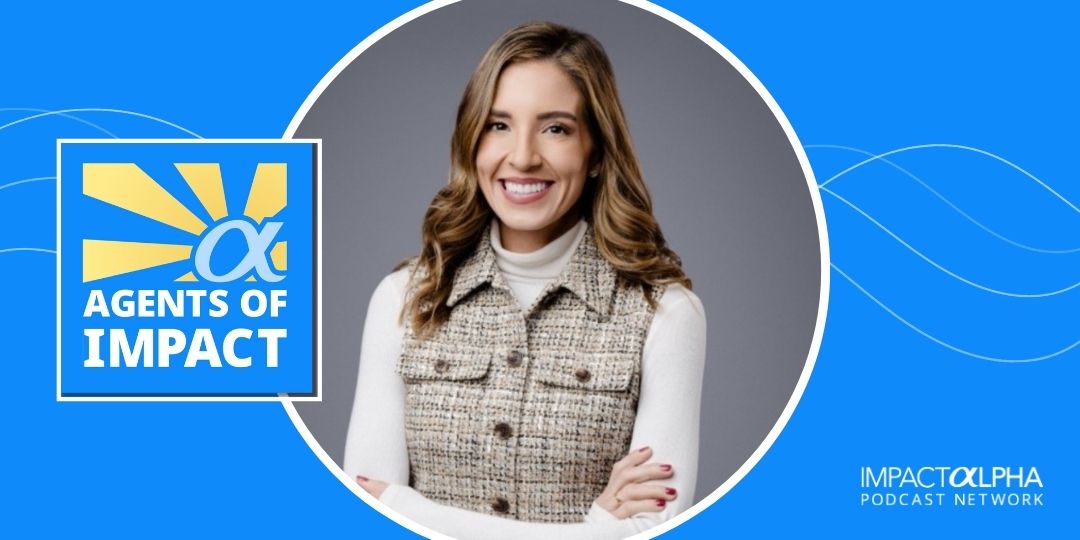
On a recent spring evening, a crowd of fashionistas gathered at a townhouse on New York’s Park Avenue to celebrate the passage of the Fashion Workers Act, a landmark law protecting models that will go into effect in New York next month. The guest of honor was Sara Ziff, the founder and executive director of Model Alliance, a labor advocacy group for the fashion industry. Ziff’s organizing and lobbying was instrumental in passing the law, which will regulate modeling agencies for the first time. Before you pull out your tiny violin, hear her out.
“This work for me is personal,” she says. “Many of the issues that we work to address are issues that I experienced firsthand, whether it’s sexual abuse or financial exploitation, things as simple as wanting to see your own contracts and agreements and have insight into your own finances.”
Ziff was “discovered” by a fashion photographer on her way home from Bronx High School of Science at age 14. Soon she was modeling after school and, later, walking international runways for Prada and Chanel and gracing ad campaigns for Tommy Hilfiger and Stella McCartney. “I was one of the lucky ones,” she acknowledges.
But Ziff also experienced the dark side of the industry, from opaque and one-sided contracts that left many young women in debt, to sexual exploitation. It was not uncommon for modeling agencies to send their young charges, unchaperoned, to dinners and events with businessmen. In 2009, Ziff co-directed a documentary about her and her peers’ experiences, sparking a “Me Too” moment for the field — more than a decade before Hollywood’s.
In 2012 she founded Model Alliance to “inject a labor consciousness and an activist culture into the industry where there really was none,” says Ziff, who wrote her thesis at Harvard’s Kennedy School on the emerging “alt labor movement” that organized low-income workers outside of the traditional union model. She ran Model Alliance at our of her Harvard dorm room.
In the fashion epicenter of New York, Model Alliance helped pass the Child Model Act in 2013, which extended labor protections to models under age 18, and in 2022, the Adult Survivors Act, which enabled victims of sexual abuse to seek legal justice beyond the statute of limitations. (The law was most famously used by E. Jean Carroll in her lawsuit against Donald Trump; Ziff also filed suit under the act against an associate of Harvey Weinstein stemming from her young modeling days).
Model Alliance runs an industry support line, connecting models with legal and other resources when they run into challenges. The issues raised helped inform the Fashion Workers Act.
The act will require model management companies to register with the state and uphold a fiduciary duty to the models they represent. They must provide models with contracts that clearly spell our payment terms, the scope of work and usage rights for each assignment. Models, and the New York attorney general, have the ability to sue violators. Another groundbreaking provision: agencies will have to get consent from models before they can use their AI-generated likeness.
Solidarity
If the Adult Survivors’ Act was about justice, the Fashion Workers Act is “about preventing that abuse from happening in the first place,” Ziff told the Park Avenue gathering. The Fashion Workers Act “will bring a lot more transparency and accountability to modeling agencies.” She’s now fundraising for a campaign to raise awareness and educate fashion workers about the new law.
Ziff has faced unique challenges in advocating for the legions of young women (and men) that flock to New York and other fashion centers to pursue modeling careers. “We’ve struggled from the beginning with this perception that our industry is glamorous and that our community are not workers, that they’re very privileged,” she says. But the protections Ziff has helped win have benefited a wider community, and her vision is far more expansive than the name of her organization suggests.
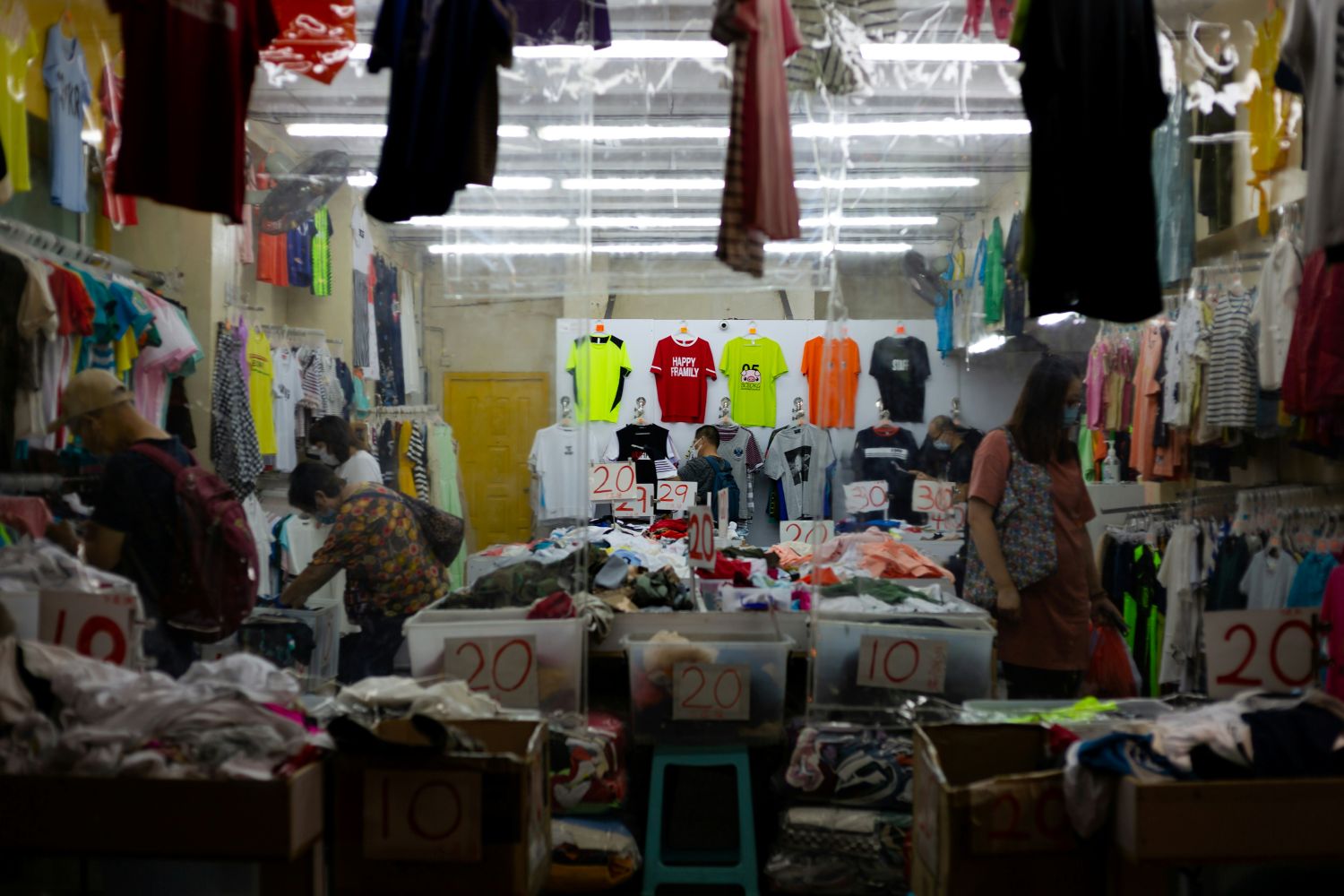
“We have a broad vision for labor solidarity across the supply chain,” she explains. Her small nonprofit has stood with garment workers to advocate for the Bangladesh accord, which promotes safety standards in garment factories. It supported the Garment Worker Protection Act, which was enacted in California in 2022, and the federal Fabric Act, which aims to improve working conditions for nearly 100,000 American garment workers.
Says Ziff, “I think of the Model Alliance as a bit of a laboratory for experimentation and thinking about creative solutions to winning rights and protections in a really hostile labor environment.”