
You are what you eat.
As the American diet has shifted to more and more highly processed foods, chronic disease has skyrocketed. The US spends more than $1 trillion a year to treat chronic, diet-related diseases — equal to its citizens’ total yearly food bill. Diet is the leading cause of illness and death in the US, and some 60% of adults have at least one diet-related chronic disease.
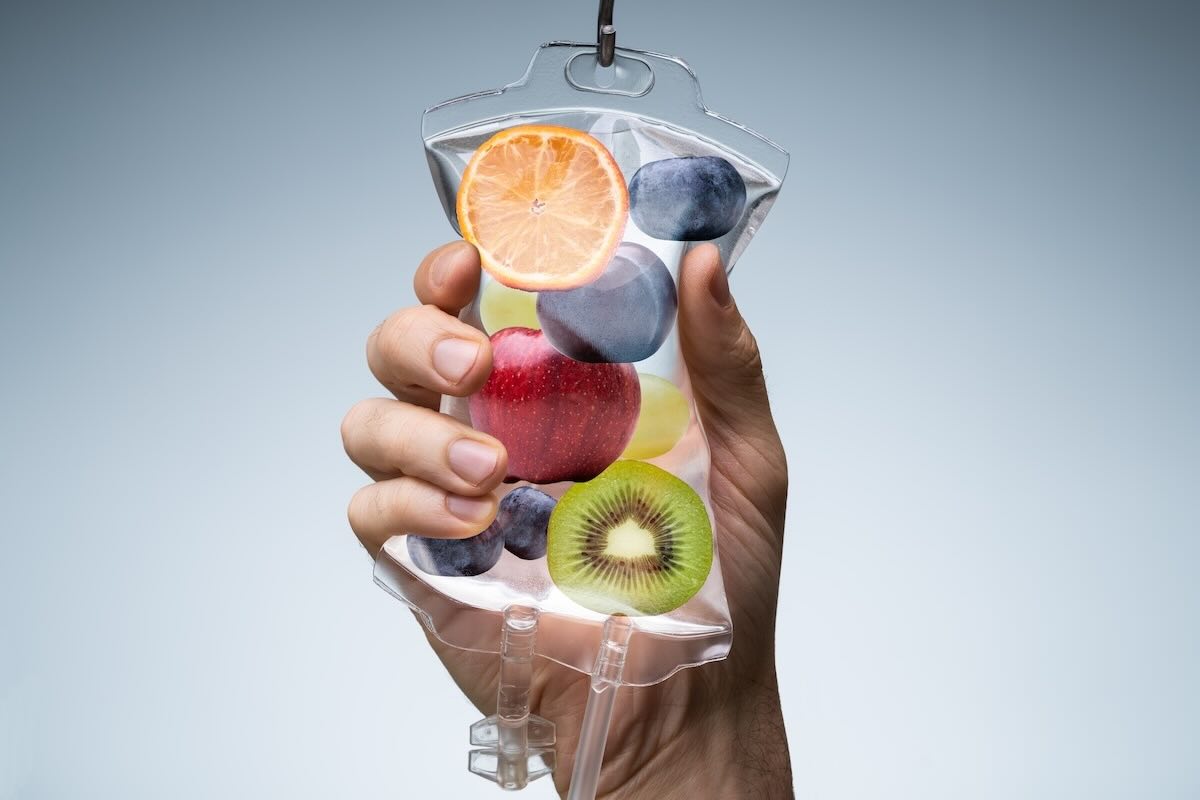
There is growing interest in using targeted nutritional interventions to improve health outcomes. Under the banner “Food is Medicine,” healthcare providers, philanthropies, government agencies and local farmers are partnering to deliver medically prescribed or supportive meals and groceries to hospitals, schools and communities.
“The system is not working very well, and medical practitioners have few tools for addressing diet,” says Noah Cohen-Cline of The Rockefeller Foundation, which for the past few years has been supporting Food is Medicine policy, interventions and infrastructure.
In January, the foundation announced an additional $80 million investment over the next five years to advance Food is Medicine programs in the US, bringing its total commitment to $100 million.
Among its projects is a pilot project with the US Department of Veterans Affairs to bring nutritional interventions to eligible veterans. In Texas and Utah, the foundation has worked with About Fresh and the University of Utah to enroll some 545 vets in a program that offers monthly $100 grocery cards worth to purchase fruits and vegetables, as well as nutrition counseling through local VA facilities.
This week, Rockefeller expanded the pilot to bring nutritional interventions to Maryland, North Carolina and New York, where it aims to support some 1.7 million veterans.
“Our goal is to take the food insecure veteran, make them food secure, and with the goal of them becoming nutrition secure,” said Christine Going of the VA. “It’s not just about getting enough food – it’s about getting the right food to lead a healthy life.”
Other funders in the space include the Lydia B. Stokes Foundation and Anthem Blue Cross and Blue Shield Foundation.
The Food is Medicine crowd is getting a boost from the ascendant Make America Healthy Again, or MAHA, ethos championed by US Health secretary Robert F. Kennedy, Jr.
Bipartisan support
The interventions are typically paid for by a health payer, such as the VA, or other entity. Private sector organizations are often tapped to aggregate and distribute sustainably grown food or prepare meals that support small farmers.
Such interventions could avert 6 million hospitalizations annually, Rockefeller says, and lead to net cost savings of $13.6 billion a year and $185 billion over a decade.
“Scaling the solution is going to require a really diverse field of implementers that needs to include both nonprofit and community-based organizations and also private sector organizations,” Cohen-Cline tells ImpactAlpha.
Rockefeller last month awarded $3.5 million to seven organizations working to advance research, support small and mid-scale farmers, improve health outcomes and stem rising health care costs.
Adelante Mujeres, for example, provides food-based intervention programs to prevent, manage, and treat diet-related disease for Latino and immigrant communities. Another grantee, 4P Foods in Virginia, distributes sustainably grown food from regional farmers to families enrolled in produce prescription and nutrition assistance programs.
The grant, said 4P’s Tom McDougall, “will allow us to accelerate the transition toward regenerative practices that restore soil health, increase biodiversity, and develop regional supply webs that can be woven into more conventional supply chains.”
4P Foods is one of the companies affected by the US Department of Agriculture’s decision this week to terminate a program that provided grants to states to help school districts, food banks and distribution hubs purchase food from local farmers. The Local Food Purchase Assistance Cooperative Agreement and the Local Foods for Schools programs were created by the Biden administration during Covid to help strengthen local supply chains.
Still, the Food as Medicine field has gained a fair amount of bipartisan support. Rockefeller held an event on Capital Hill this week with Shelly Pingree (D-Maine) and Vern Buchanan, (R-Florida), a cofounder of the Make America Healthy Again, or MAHA, Caucus, to share updates on its VA pilots.
“We are encouraged by growing bipartisan support for these interventions, including efforts that are seeking to connect Food is Medicine to farmers,” says Cohen-Cline. “We’re hoping this is a space where we’ll be able to continue working with policy makers to establish these as both a health benefit for patients but also an economic benefit for farmers.”