
A group of Stanford University graduate students launched San Francisco-based Nitricity in 2018 to develop a plant-based and climate-smart solution to synthetic nitrogen fertilizer, which is energy intensive and costly for farmers. Most synthetic nitrogen fertilizers are made through the “Harber-Bosch” process, a high pressure and temperature method, using fossil fuel-based power plants.
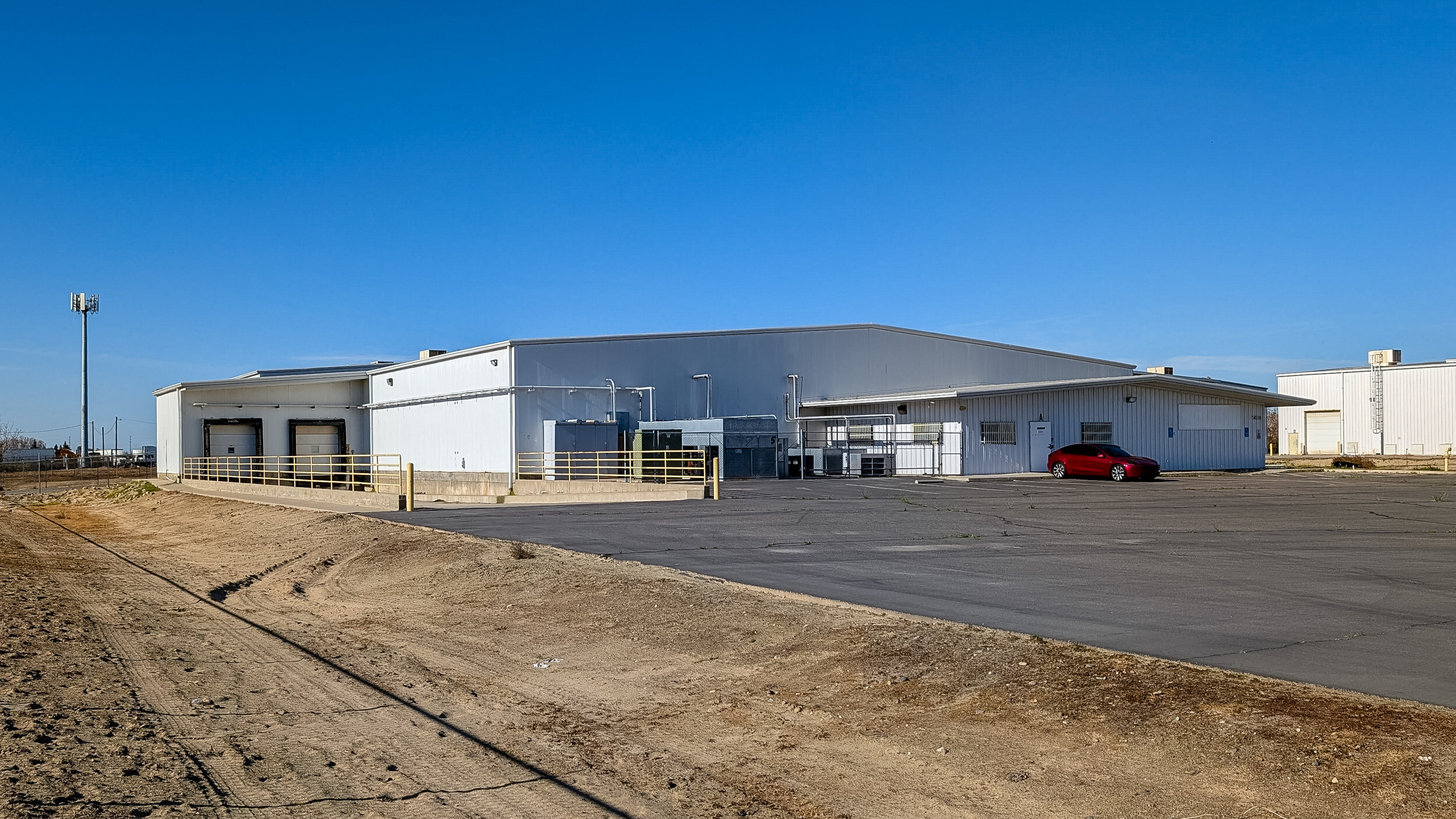
Nitricity uses air, water, renewable electricity and almond shell waste to brew an odorless, pathogen-free fertilizer it says is cost-competitive with synthetic nitrogen fertilizers. The $10 million investment round, backed by Elemental Impact and Prime Coalition’s Trellis Climate, will help finance the construction of a facility in California’s Merced County that will produce Nitricity’s fertilizer at scale.
“In a market where most nitrogen is imported, our solution onshores production to deliver exactly what growers have been asking for: a sustainable, organic alternative that strengthens farmers’ bottom lines and benefits our community and environment,” said Nitricity’s Nicolas Pinkowski. Nitricity says the plant will boost its production capacity by a hundredfold to achieve commercial-scale volumes.
Enabling regenerative ag
Nitricity’s plant, which is projected to begin operating next year, is aiming to produce hundreds of tons of its low-carbon nitrogen fertilizer by 2028. The facility’s full production capacity is already sold out through its first two years of operation via binding offtake agreements with local organic growers. It will create 20 local green jobs in Merced County over the next two years.
“Nitricity’s facility proves sustainable fertilizer can be produced at scale while providing local economic benefits,” said Elemental Impact’s Danya Hakeem.
Elemental also backed the construction of Nitricity’s Fremont facility in the San Francisco Bay Area in 2022. “We’re confident they’re ready for this next frontier,” Hakeem said. “There’s clear market demand that will position them for future commercial financing.”
Nitricity’s investors, including those not in this round, includeEnergy Impact Partners, Lowercarbon Capital and MCJ Collective.