Avian influenza – also known as bird flu – is one mutation away from being able to spread between humans, according to virologists.
Over the past year in the US alone, bird flu has infected millions of laying hens, thousands of dairy cows, and dozens of people.
To date, everyone who has caught bird flu has had direct contact with ill animals, with no evidence of person-to-person spread. But if the virus evolves to spread easily between people, it could – depending on severity – present a systemic risk to the global economy and food system, like that experienced as a result of COVID-19.
Bird flu already presents material risks to investment portfolios. So how can investors address the risks and navigate future shocks?
What’s new with this flu?
Highly Pathogenic Avian Influenza, known as H5N1, first seen in domestic birds in 1996, has become increasingly prevalent among wild and domestic birds around the world. A large-scale infection in commercial poultry flocks was recorded in Europe between 2021 and 2022.
In the spring of 2024, bird flu was detected in dairy cows for the first time. Within weeks, the first case of a person contracting bird flu from a cow was reported. Since then, the virus has been spreading virtually unchecked through dairy cow populations across the United States, infecting over 950 dairy herds across 16 states.
Cases of humans being infected with bird flu from interactions with sick birds have also been reported in the US, Canada and the UK in recent months, raising concerns about potential mutations. The spread of bird flu to humans through dairy cows, with nearly 70 confirmed cases, is believed to be far more widespread than reported. Farm workers often lack protections such as sick pay and leave, and many are undocumented, creating a strong disincentive to report their illness and isolate themselves.
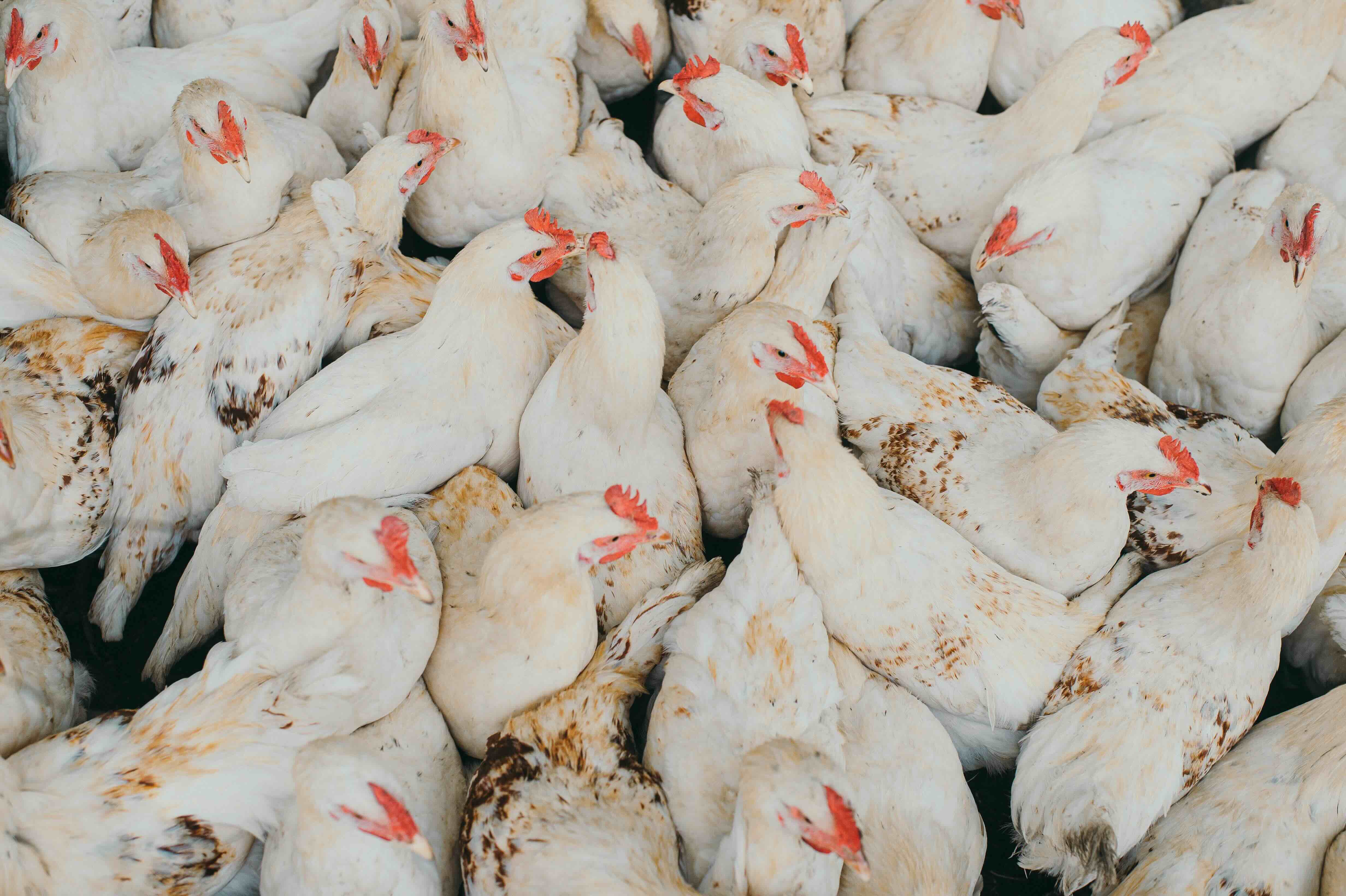
These incidents are concerning and are not emerging in a vacuum. Stressful and overcrowded conditions in industrial farming can increase the risk of disease outbreaks. To prevent spread of illness, antibiotics are used extensively, contributing to the development and spread of antimicrobial resistance. Climate change, with its temperature fluctuations and droughts, further increases the likelihood of bird flu outbreaks in genetically similar and stressed animals.
Infecting business
The current bird flu outbreak has varied and complex implications for consumers, businesses, and investors, ranging from supply chain disruptions to potential product recalls.
Since October 2021, H5N1 has killed more than 300 million birds worldwide through a combination of flu-related deaths and culling, affecting the livelihood of millions of people. The US Department of Agriculture has pumped more than $1.7 billion into combatting bird flu on poultry farms since 2022, including reimbursing farmers that have had to cull their flocks.
Compensating farmers for livestock losses may not be feasible for governments in low- and middle-income countries, and even in wealthier nations it is a financial strain on public coffers. Additionally, such payments do not eliminate other materially relevant consequences of bird flu outbreaks and culling that can impact companies and investor portfolios.
Bird flu in poultry has tightened egg supplies and increased prices significantly, a trend the USDA expects to continue, with potential for supply chain disruptions and increased operating costs for farmers, retailers and restaurant chains, and other food manufacturers that rely on eggs. Denny’s and Waffle House are among the first US restaurant chains to introduce a surcharge on eggs, while many supermarkets are limiting consumer purchases to prevent stockpiling.
Lessons from COVID-19
The multiple effects of the COVID-19 pandemic on the health of people, companies and economies were estimated to have cost the US some $14 trillion, making it crucial that all stakeholders get ahead of the current bird flu outbreak to avoid a similar crisis.
Understanding the links between bird flu, intensive animal agriculture, and the associated material risks, and engaging with holdings to mitigate these, is crucial for investors seeking to protect their investment portfolios.
As seen in the Coller FAIRR Protein Producer Index and in FAIRR’s Industry Reinfected report, improving the welfare and hygiene conditions of livestock, reducing flock numbers and the stocking density of facilities, and reducing the distance animals travel from breeding to slaughter could all help reduce the risk of further outbreaks. Building more resilient supply chains and improving food security could help prevent the current outbreak from mutating into a fully-fledged pandemic, some of which may also present investment opportunities.
For example, plant-based protein company Burcon NutraScience Corporation highlighted the recent egg supply disruption caused by bird flu when it launched an alternative egg protein last year. Food technology start-up Eat Just, which has attracted funding from investors such as the Qatari sovereign wealth fund and private equity manager Charlesbank Capital Partners, found that sales this January jumped by five times from the same period a year earlier. This success points to the potential of egg substitutes in helping to build a more resilient, safer and more sustainable food system. Life sciences company Labcorp also announced in its full-year financial results that it has developed a test to help diagnose H5 bird flu in humans.
Investing in resilience
The ongoing and evolving bird flu crisis underscores the growing risks that animal-borne diseases pose to global markets, supply chains, and public health.
Investors need to pay close attention to how the outbreak continues to unfold, as disruptions across the agri-food sector can impact operating costs and earnings. Warnings from global experts that another pandemic could be triggered should not be underestimated.
Asset owners and investment managers that prioritize risk mitigation and sustainability—whether through engagement with protein producers and retailers or diversification into emerging health and food technology investments—may be better positioned to navigate future shocks.
Megan Waters serves on a consultancy basis as FAIRR’s Senior Policy Advisor. She is a former US trade negotiator, having served in the International Trade Administration at the US Department of Commerce and at the Office of the US Trade Representative in the Office of the President of the United States.