
There is an unspoken design decision fundamentally shaping our economy: economic rights and governance rights are inextricably linked. Whether it’s a venture capitalist negotiating Board seats, a fund investor serving on a limited partner advisory committee, or a shareholder of a public company advancing proposals and voting proxies, this dynamic plays out across markets and deeply influences the flow of capital.
Today, as we consider how capitalism can move beyond its current focus on maximizing profits and become an engine for a prosperous, regenerative society, it’s time to question this underlying assumption. Because when economic and governance rights are concentrated among investors, companies are often structurally driven to prioritize short-term financial returns over long-term value creation.
Innovators and social entrepreneurs are exploring how we might shift from a world of shareholder primacy to stakeholder capitalism – where companies take into account the needs of all their stakeholders, including their employees, broader communities, and the planet.
As part of this exploration, we are investigating what it would look like to make this wider group of stakeholders part of the decision-making process. This includes investing in new models of shared ownership and participatory investing.
Two powerful examples of models that reenvision the link between economic rights and governance rights are Perpetual Purpose Trusts and Employee Ownership Trusts.
A Perpetual Purpose Trusts, or PPT, is a type of trust that holds a business in perpetuity to fulfill a specific mission. Unlike traditional ownership structures, PPTs do not have equity holders; rather, they are overseen by trustees tasked with upholding the founding purpose. This hybrid model ensures both stewardship and impact, mitigating risk of mission drift or often sale.
The Employee Ownership Trust, a type of PPT, is designed to benefit employees by holding shares on their behalf, creating broad-based employee ownership. Governance centers around a trustee board, which oversees company management to ensure decisions benefit the workforce. Trustees often represent independent trustees (which may include investors), employee-elected trustees, and sometimes company founders. The EOT supports a stronger culture of engagement, accountability, and better alignment between workers and company goals.
Real world impact
Organizations are putting these innovative models into practice, with exciting, impactful results.
Just take a look at the Kensington Corridor Trust. Founded in 2019, KCT is revitalizing a commercial corridor in Philadelphia by holding real estate assets in a PPT for community benefit. There are no equity shareholders expecting short-term results—only trustees tasked with ensuring lasting purpose and performance. To date, KCT is stewarding 31 properties along the Kensington Avenue corridor in Philadelphia.
As KCT says on its website, “By combining community governance with long-term stewardship of property,” the trust is “creating an engine for affordability, opportunity, and local wealth.”
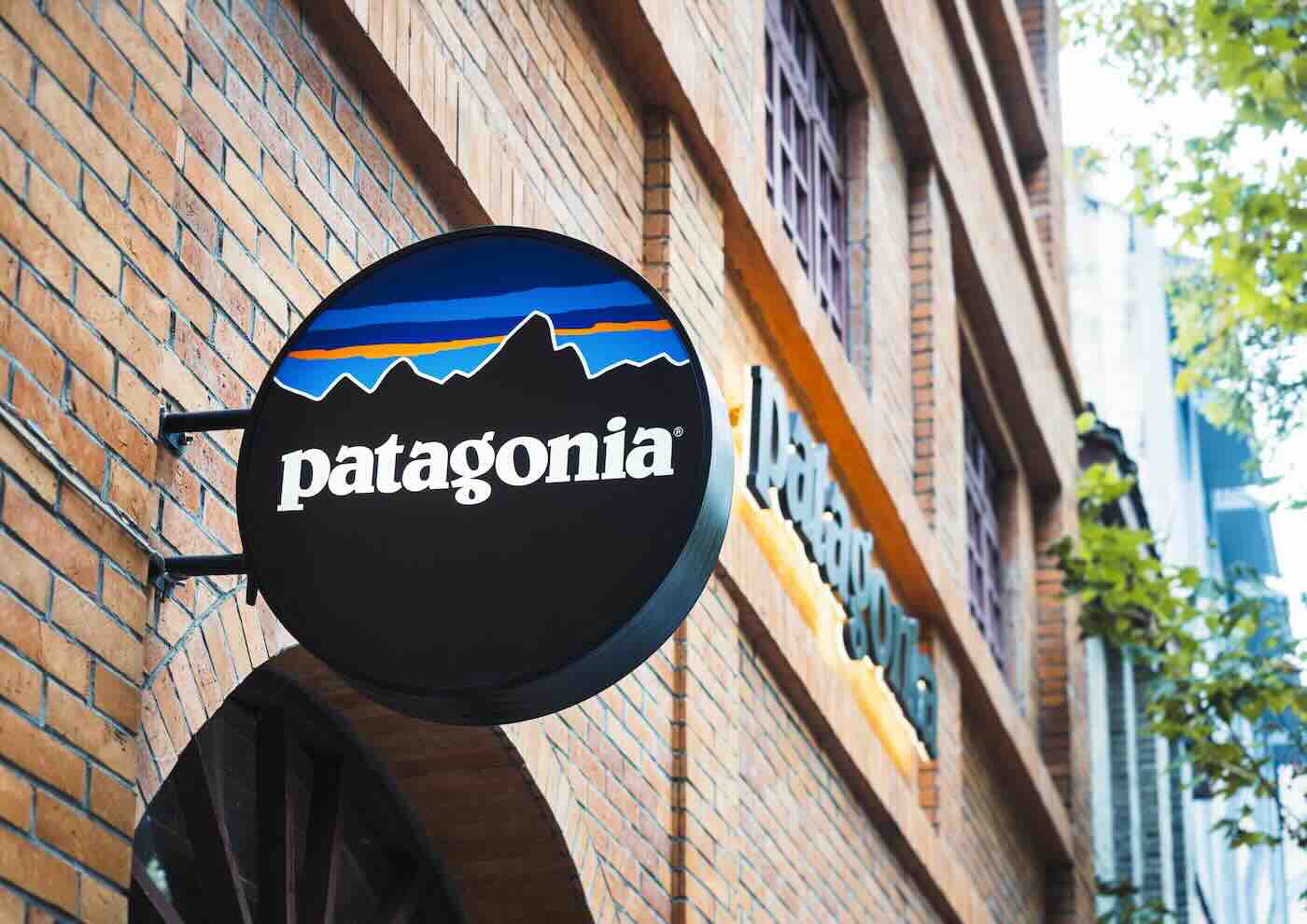
Another powerful, popular example of a PPT is Patagonia. In this model, all voting stock, about 2% of total shares, was placed into the Patagonia Purpose Trust, created to protect the company’s mission and values and ensure decision-making remains aligned with its environmental goals. The remaining 98% of non-voting stock was given to the Holdfast Collective, a nonprofit that will receive a portion of Patagonia’s profits toward fighting the climate and biodiversity crises.
Patagonia continues operating as a for-profit B Corp but now directs future dividends and profits to environmental causes, enshrining long-term stewardship of purpose over profit.
There are also organizations, like Common Trust, which are helping to build the ecosystem of stakeholder capitalism by supporting business owners who want to transition their companies to EOTs. Early findings from Common Trust’s portfolio show that these transitions have resulted in doubled profits, improved performance, record-high customer satisfaction, and increased employee pay and benefits.
The case for ownership-lens investments
There is a growing body of research showing the performance benefits of employee ownership more broadly. Employee-owned firms outperform peers in productivity, retention, and profitability. Employee-owned firms have a 50% lower bankruptcy rate and over 90% higher employee net wealth.
It’s also important to specify that, within PPTs and EOTs, investors may still hold governance roles and influence strategy. They are simply not the only voice at the table – or the loudest.
While PPTs and EOTs show a great deal of promise, these models are still quite nascent, with only around 70 PPTs and 20 EOTs in the US.
For these new types of organizations to gain momentum, we need an enabling policy infrastructure and additional investment. My organization, World Education Services, is deeply committed to supporting innovative models, and we are proud to support EOTs and PPTs, among other ownership-lens investments. Now we need more investors to get in the game.
Why invest in PPTs and EOTs? They are mission-aligned, and they are market-smart. They offer governance structures that mitigate the risks of short-termism, better align incentives, reduce turnover, and unlock productivity by giving stakeholders a real voice. They increase business productivity and financial performance while advancing long-term societal goals.
We hope that more investors will join us in supporting emerging models like PPTs and EOTs. Because we believe they are fit for purpose and the optimal long-term approach to steward assets, and without rebalancing power toward a broader set of stakeholders, stakeholder capitalism remains aspirational rather than operational.
Like many investors and innovators today, we believe that societal interests and growth generation are not contradictory but complementary. And we believe that when a wider group of stakeholders can have a seat at the table, everyone wins.
__________________________________________________________________________________
Smitha Das is Senior Director of Investments at World Education Services.