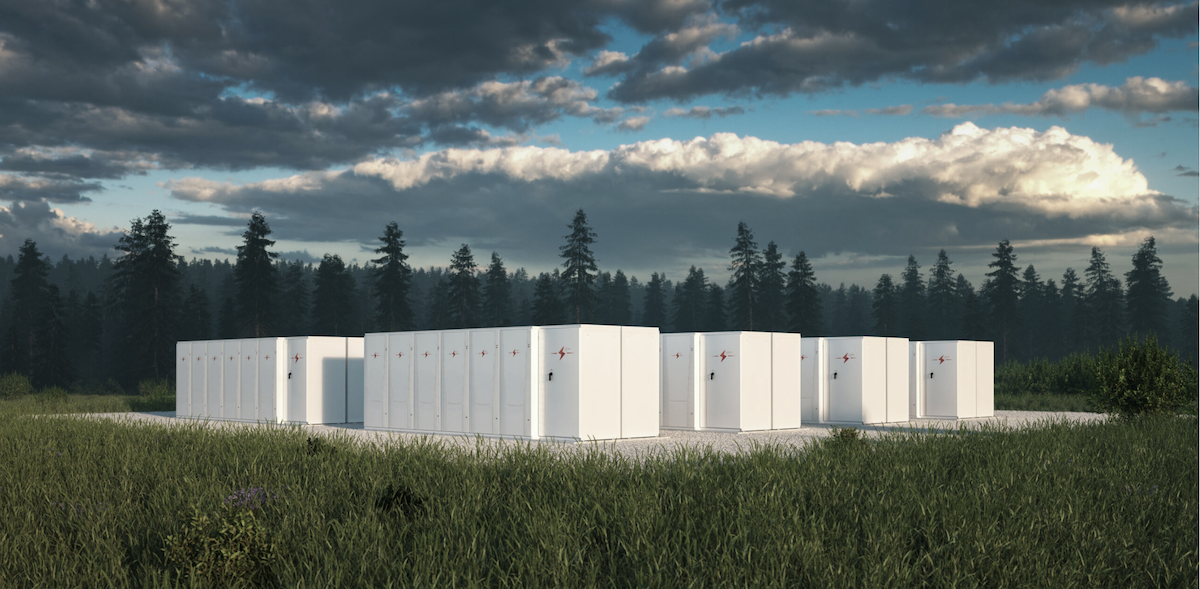
Australia’s year-round sunshine supplies an ample source of low-cost, renewable power. What’s needed is longer-duration batteries to maximize that energy. Quinbrook Infrastructure Partners, a global investment management firm with offices in Australia, the UK and US, teamed up with Chinese battery manufacturer CATL to develop what it believes to be “the world’s first genuine 8-hour battery.”
Quinbrook plans to invest A$3.5 billion ($2.2 billion) to install over 3 gigawatts of the long-duration battery system, called EnerQB, in Queensland, New South Wales and other sites in Australia. The battery will also store clean energy at a A$2.5 billion (about $1.6 billion) data storage project site in Brisbane.
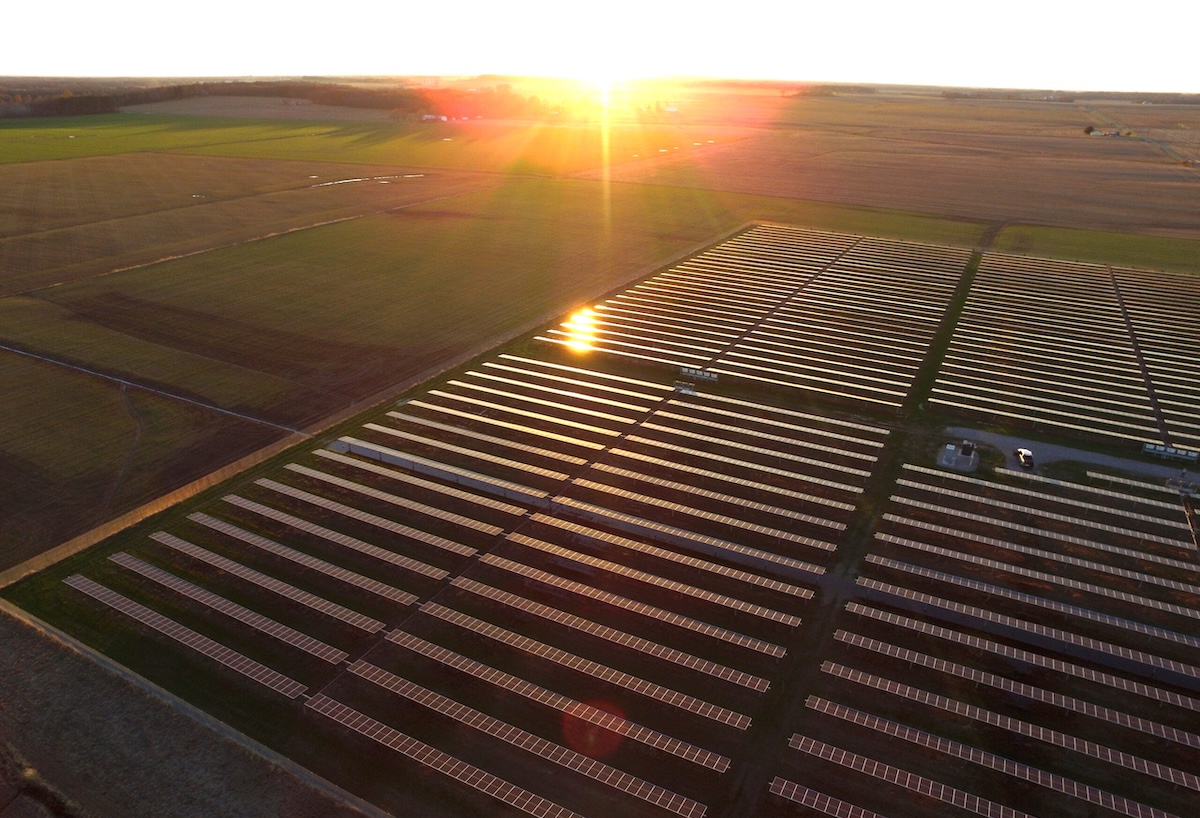
The new battery, which Quinbrook has exclusive rights to in Australia for three years, can help commercial and industrial customers shift more load to solar power, which is already the cheapest form of energy in much of the country.
Quinbrook hopes to power, for example, two eight-hour manufacturing shifts entirely from solar. “Projects in high year-round solar locations can already produce power for up to 14 hours a day,” Quinbrook says. “Doubling the storage duration improves cost competitiveness to a significant degree.”
Energy transition
Quinbrook manages a global portfolio of long-duration energy storage systems that can store as much as four hours of power to discharge when it’s needed. The eight-hour battery developed with CATL, “brings us one step closer to the holy grail of 24/7 renewable power here in Australia,” Quinbrook’s David Scaysbrook said, “which is the ‘dam busting’ moment for this country’s decarbonization.”
Scaysbrook sees long-duration storage, coupled with solar, wind and other renewable power sources, as the future of sustainable and low-carbon power in Australia.
The country is home to some of the world’s largest battery storage projects, including the Hornsdale Power Reserve, backed by South Australia’s government. Quinbrook says the new battery storage system will deliver critical stability support to Australia’s grid.