French nonprofit Makesense’s third fund will make pre-seed investments in European companies reducing waste and supporting circularity in food, healthcare and housing.
The organization is aiming to raise at least €25 million ($29 million) to cut equity checks up to €500,000, along with debt financing.
“We are one of the very few pre-seed impact funds in France and Europe,” Makesense’s Marion Schuppe told ImpactAlpha. “We are building the ecosystem for larger impact funds.”
The European Investment Fund, Mirova, and French fund-of-funds Revital’Emploi invested in the fund, along with a dozen business angels and family offices.
Early-stage
To support Europe’s impact startup ecosystem, Makesense has raised an earlier pre-seed fund, as well as an €86 million late-seed to Series A fund. It has backed 40 companies across the three vehicles, a third of which are circular economy businesses.
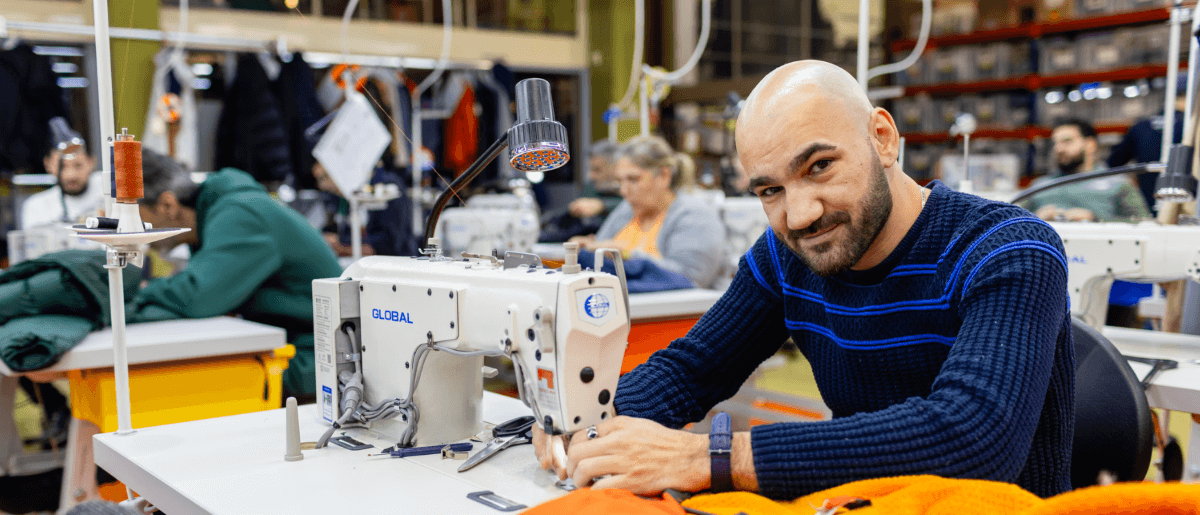
Its second pre-seed fund, for example, backed Netherlands-based United Repair Center, a clothing repair company for Patagonia, Decathlon and The North Face that is helping keep textiles out of landfills. “They focus on training and supporting people very far away from employment, especially migrants in Europe,” Schuppe said of United Repair.
“We believe that if you don’t take into account your social ecosystem and environmental ecosystem, you won’t be able to create economic value.”
Exit strategy
Makesense started deploying its first pre-seed fund in 2020. The fund backed 21 companies and has achieved a partial exit; four went bust amid recent years’ venture capital crunch.
Schuppe says she expects most of its portfolio to “become mainstream enough to have an impact, to transform their value chains.”
She adds that the exit pipeline is promising because “in France especially, there’s more capital flowing into Series A and Series B impact funds, so we will have many more opportunities to exit to these other funds.”
Schuppe is critical of the traditional venture capital model for high-impact businesses.
“We believe that impact investing is not only about the asset you’re investing in, it’s also about changing the way we are investing,” she said. “We cannot use the tech VC recipes for impact.”
That’s why Makeshift elected for a nonprofit model, she noted.
True to its circular mission, Makesense recycles its carried interest back into its investment and operational work.