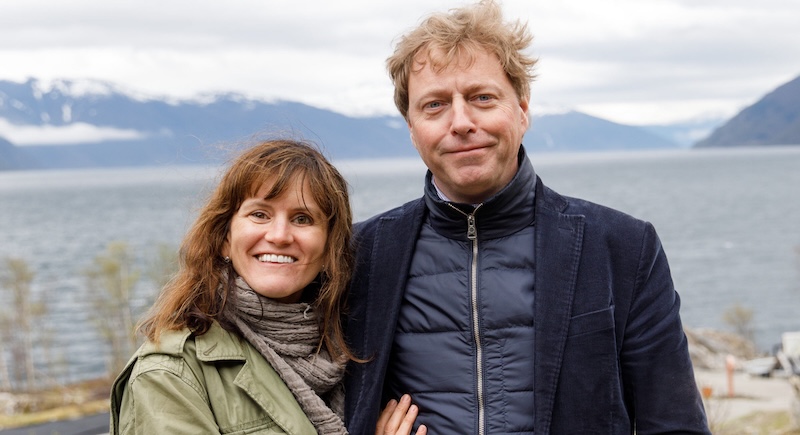
“Life below water,” Sustainable Development Goal No. 14, has for a decade been one of the most underinvested SDGs. This year, there’s a notable uptick in marine projects, deals and funds, according to Tharald Nustad of the Oslo-based Katapult Group.
From a handful of ocean impact funds a decade ago, there are now dozens – including Katapult Ocean, an accelerator and VC investor in tech startups improving ocean and marine ecosystem health that Nustad launched in 2018.
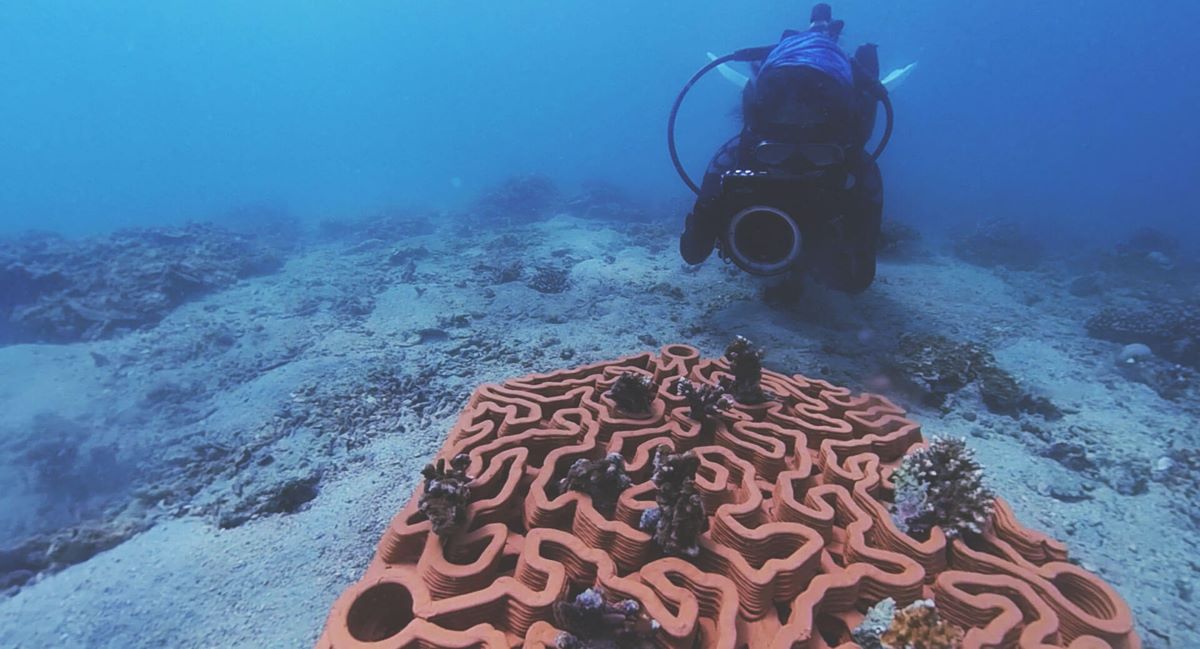
From Oslo, Singapore and Cape Town, the firm has supported more than 90 startups in Europe, Asia and Africa with seed investments and hands-on support. Its eighth cohort includes 13 companies, including US-based Soarce, which makes nanofibers from seaweed for use in industrial materials. Abu Dhabi-based Archireef manufactures clay tiles to support reef restoration. Tanzania’s Healthy Seaweed Co. produces seaweed-based foods and additives.
The group is Katapult Ocean’s most technically advanced and commercially mature, Nustad said. “We’re building the market.”
Katapult closed a $50 million Deep Blue Fund last December, which it uses to support cohort startups. It has backed data and robotics, coral restoration, maritime decarbonization, aquaculture and food systems, renewable ocean energy and circular materials.
Startups in previous cohorts like Kenya’s solar-powered cold chain refrigeration company Keep IT Cool have gone on to win environmental awards like the Earthshot Prize.
Blue finance
Sources of capital for startups and projects in the “blue economy” are growing and diversifying.
Katapult Ocean last month teamed up with Singapore-based Octave Capital, the in-house impact fund of Tsao Pao Chee Group, on a $75 million Asia-focused ocean fund. T. Rowe Price and the International Finance Corp. raised $200 million for a new Emerging Markets Blue Economy Bond Strategy to invest in corporate bonds supporting water security and marine conservation.
In August, Norway-based Bluefront Equity closed its second sustainable seafood fund at $100 million. Other investment vehicles include Pegasus Capital’s Global Fund for Coral Reefs and UBS and Rockefeller Asset Management’s Ocean Engagement Fund, the sequel to Rockefeller’s first, $212 million sustainable oceans equity fund.
Capital is not moving as quickly as Nustad would like to see, but “it’s getting better,” he said. “We see a lot of potential.”
Financial products
Katapult’s report, “Making waves in the regenerative and sustainable ocean economy,” produced with Lukas Walton’s Builders Vision, details dozens of ventures, funds and investment vehicles for ocean-oriented investors. Builders Vision’s ocean portfolio includes startups like Bahamas-based coral farm Coral Vita, funds like Bluefront Equity’s, and a “debt for nature” swap to support marine conservation in the Bahamas.
“There are a lot of opportunities that are just win-win,” Nustad said.