
Calvert Impact has long backed, or created, strategies that expand economic opportunity in underinvested communities. But ownership, the Bethesda, Maryland-based nonprofit impact investing firm says, is what makes that opportunity stick.
“For our entire history, we have focused on expanding access to capital as a means to opportunity and wealth generation,” says Calvert Impact chief investment officer Catherine Godschalk. “Building an ownership economy is near and dear to who we are and what we are trying to do.”
Calvert is anchoring a $50 million sidecar facility to provide senior debt in employee-led buyouts financed by Apis & Heritage Capital, contributing $10 million of its own capital. Apis & Heritage earlier this year sailed through the $250 million target it had set for its second employee ownership fund, backed by a roster of impact-first limited partners including Ceniarth, Social Finance and Gary Community Ventures (see, “These investors are sharing the wealth with workers, families and communities”).
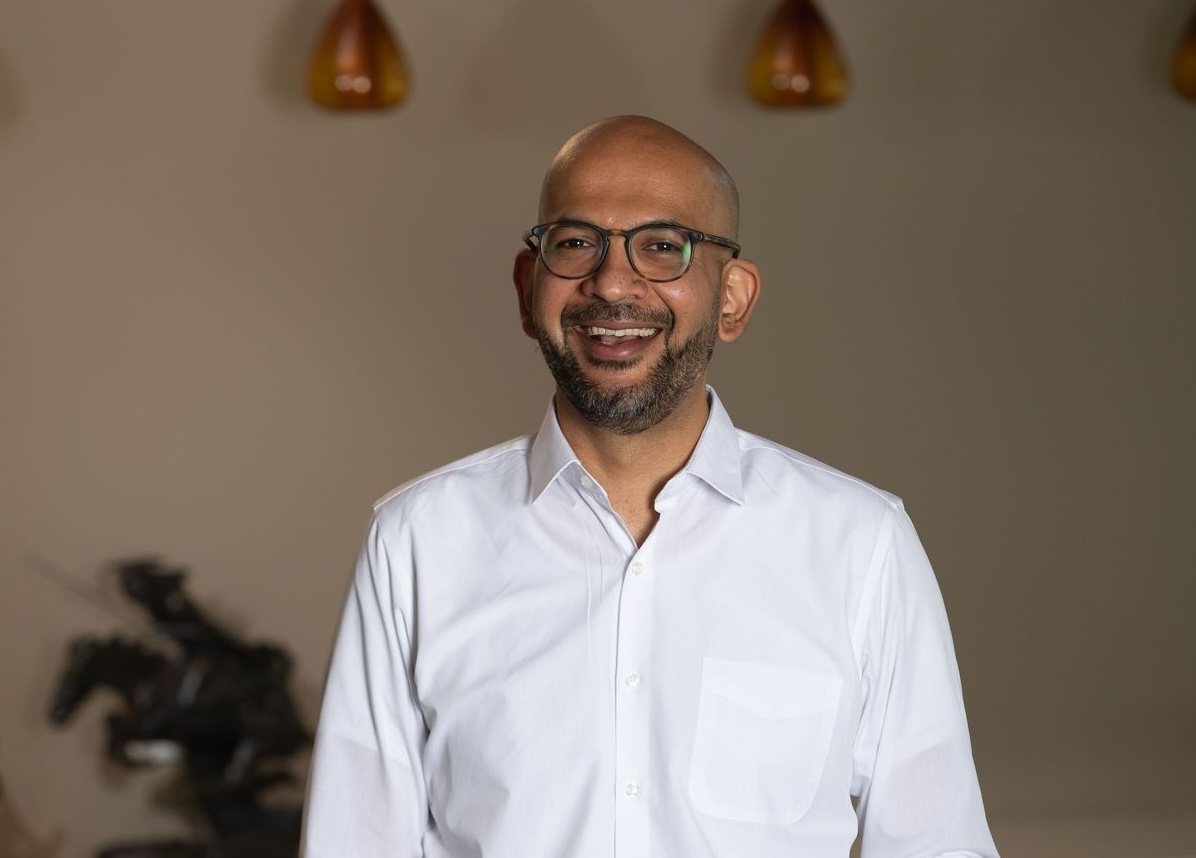
“We’re excited about our partnership with Calvert on Fund II,” says Apis’ Tobi Adewodu. “We’re encouraged to see more private capital flowing into employee ownership.”
Calvert met Apis & Heritage at the SOCAP conference and was drawn to the firm’s thesis: that financing the ownership transition of small and mid-sized businesses to low-income workers could drive real access to wealth-building in working-class communities.
“There is such a big opportunity out there in the market, but [Apis] and other managers focused on this space don’t have the capacity yet to address the scale of the opportunity,” Godschalk told ImpactAlpha. “So we thought about how we could improve the velocity of their growth, and more efficiently mobilize their LP commitments through the fund. That’s how we came up with the sidecar idea.”
Senior debt allows Apis & Heritage to leverage its capital further, increasing the size of businesses it can bring into employee ownership. Apis & Heritage’s second fund, which is targeting a $350 million hard cap, aims to create at least 3,000 new worker-owners over five years.
Real estate ownership
The Apis & Heritage investment isn’t Calvert’s only bet on ownership. The firm has also deployed $5 million into Community Vision CA’s loan fund, which has raised $145 million to expand community real estate ownership as an anti-gentrification tool that builds political and financial power (see, “Community Vision’s ownership strategy for combating displacement of small businesses and nonprofits in California”).
“Calvert Impact’s support highlights the importance of partnership in expanding access to flexible, mission-aligned capital that helps communities pursue ownership and long-term stability across California,” says Community Vision’s Catherine Howard. “Their partnership strengthens our ability to help communities preserve local assets, advance equitable development, and build long-term economic resilience.”
The CDFI fund offers financing and advisory services to nonprofits and social enterprises to preserve, develop and purchase affordable housing, land and commercial and mixed-use assets co-owned and -governed by the communities where they operate. Community Vision’s California Community-Owned Real Estate program, or CalCORE, trains and finances community land trusts and local developers to expand shared ownership of real estate in the state.
Community Vision plans to deploy at least $40 million, through the loan fund and New Markets Tax Credits financing, to finance the creation and preservation of community-serving spaces in California.
“I have a ton of respect for the work that Community Vision does because nonprofits need spaces. It’s not necessarily easy for them to own real estate,” Godschalk says. “Community Vision is doing a lot of really important work to help nonprofits understand what’s involved in that. I think that’s really valuable. Controlling your space is really valuable.”
Resident-owned communities
Calvert’s investments in Apis & Heritage and Community Vision reflects a growing conviction among impact investors that ownership, not just access to good jobs and credit, is the missing ingredient in wealth-building strategies for low-income and working-class communities.
By financing community ownership of real estate and worker ownership of businesses, Calvert is making the case that capital directed at who owns, not just who works or who borrows, produces more durable economic outcomes.
“I feel like we’re really well built to take this strategic posture of, we’ve got this amazing and desperate need to grow the ownership economy,” Godschalk says. “Given where we are in terms of inequality, the silver tsunami and all of these forces, we need more capital flowing in ways that expand ownership opportunities and community wealth.”
Godschalk recently joined the board of ROC USA, a New Hampshire-based nonprofit in Calvert’s portfolio that helps low-income residents acquire the land beneath their mobile homes and form cooperatives to govern it, preserving long-term affordability in communities frequently threatened by speculative developers.