
Private equity, venture capital, private debt and infrastructure fund managers in Africa are diversifying their investor pools. On the decline: development finance institutions and even “catalytic” impact investors.
On the upswing: African pension funds, insurance companies and corporate strategic investors.
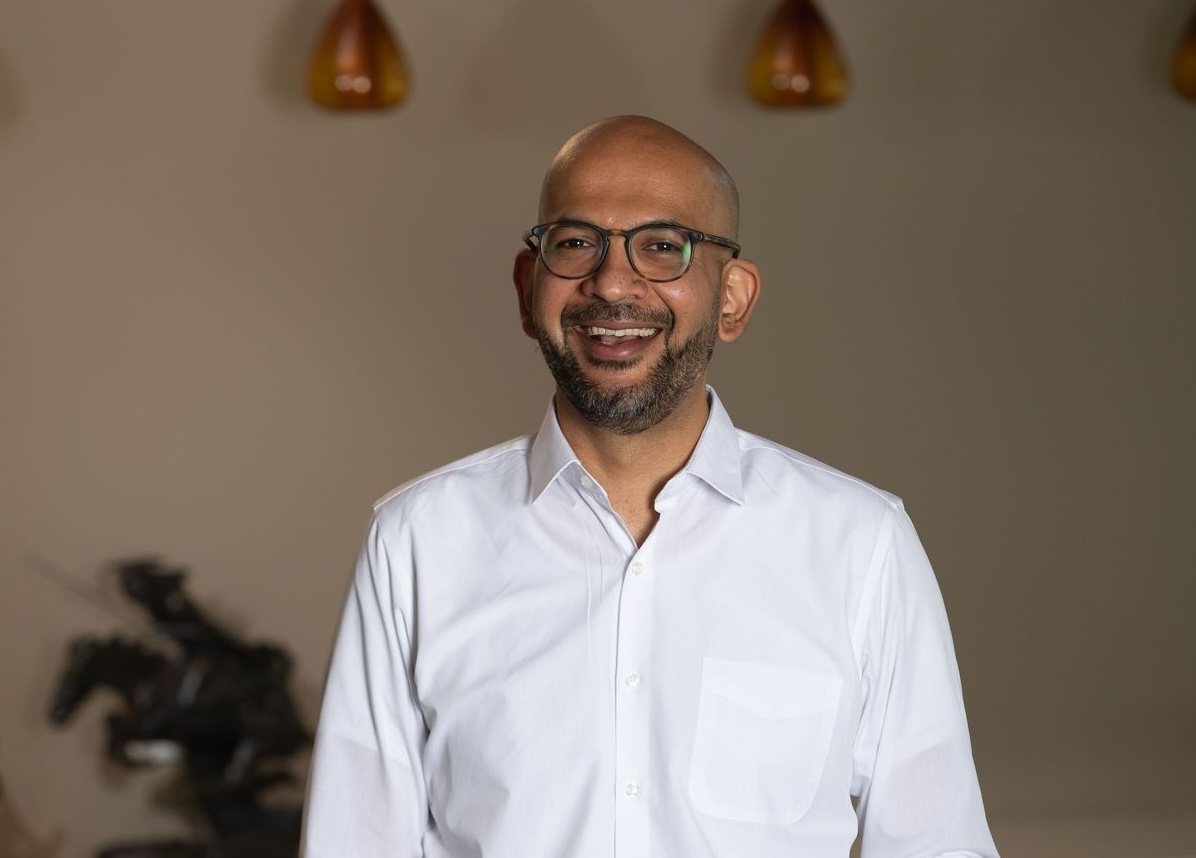
“No foreign investor. No external investor,” declares Samuel Yeboah of Mirepa Investment Advisors, who is closing an $8 million private equity fund in Ghana to take stakes in local exporters as well as education, healthcare and financial services companies. Mirepa’s first fund raised the fund entirely from local pension funds and other investors, including Petra Trust Pensions, Secure Pension Trust, Fidelity Asset Management, Stanbic Investment Management and Venture Capital Trust Fund.
“For us, that’s pretty significant,” he says. “It demonstrates that we actually can mobilize capital locally.”
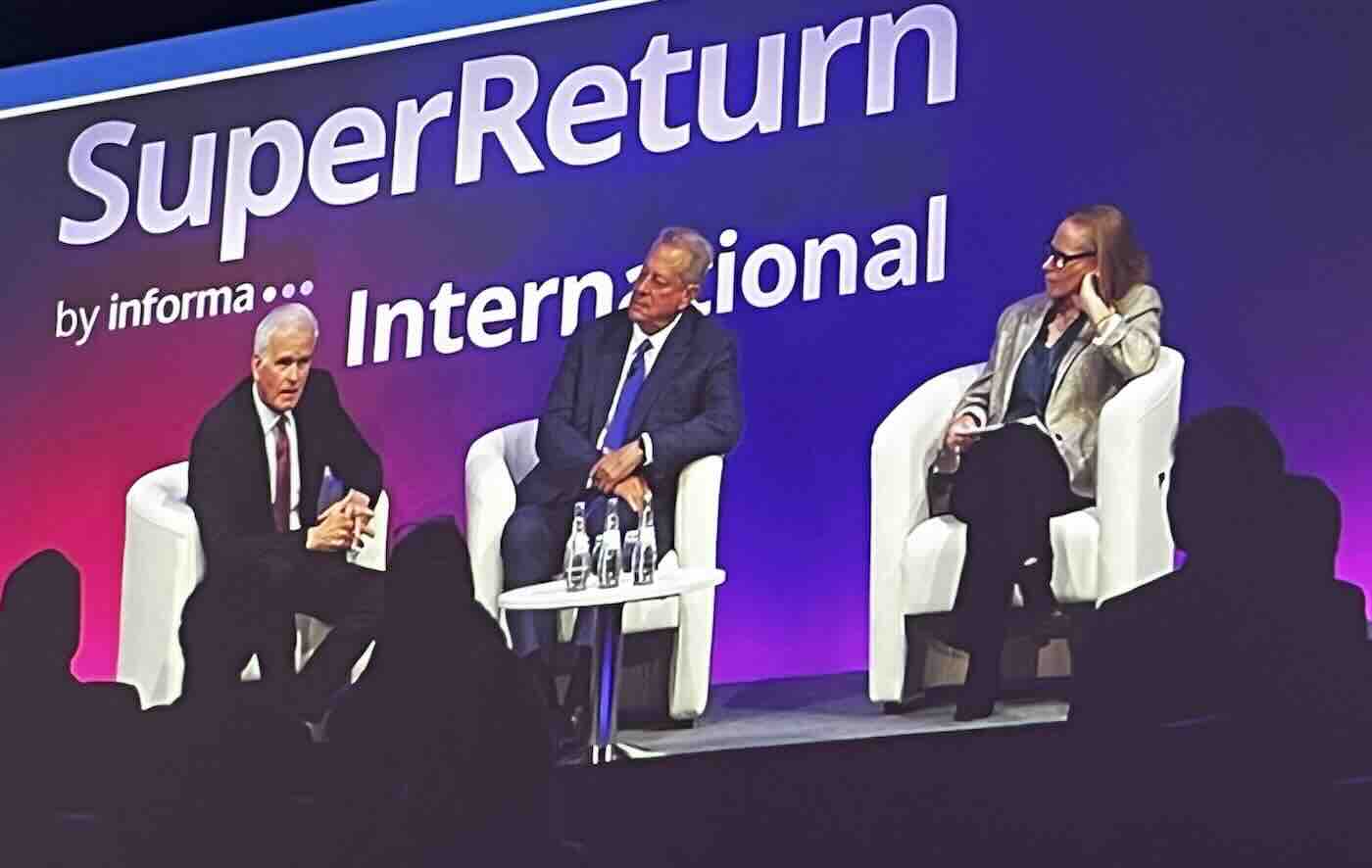
For managers like Yeboah, years spent wooing African institutional investors, particularly local pension funds, to allocate capital to not only to “alternatives” like private equity, but to local managers, are starting to yield dividends. The mobilization of local capital for local managers was a major theme of this month’s gathering of the Collaborative for Frontier Finance in Kenya.
Not only in Ghana, but in Uganda, South Africa and other countries, pension fund schemes are waking up to the opportunity to replenish their own memberships with employees of businesses that their investments help to succeed and grow. The Bank of Zambia is setting up a $200 million facility to backstop lending to small and medium-sized enterprises.
The arrival of the new LPs comes none too soon.
“Cuts in development assistance from Europe, from the United States, to Africa and elsewhere has meant that we need to accelerate the utilization of local resources,” says Nicholas Colloff of Switzerland-based Argidius Foundation, which is working to help mobilize such capital to finance African enterprises.
“Unless we do, a lot of the groundwork that those international funds have laid will be laid to waste,” Colloff said on the sidelines of the Collaborative for Frontier Finance gathering. “We need to build on that, and build on it quickly.”
Building the ecosystem
Development finance institutions have long been just about the only LP game in town for emerging market fund managers. Unlike purely commercial investors, British International Investment, FMO in the Netherlands, and other DFIs have maintained a commitment to investing in Africa, but were constrained by their own investment policies around track records, ticket size and risk exposure. In practice, such institutions often acted essentially as commercial investors.
Even impact investor seeking to crowd in, or catalyze, other investors often have investment criteria or constraints that disadvantage local GPs. Concerns about currency volatility and foreign-exchange risks further excludes many international investors. Years of hoop-jumping, back-bending and being ghosted by such investors has led fund managers to instead focus their fundraising efforts on local investors.
“We had to make a conscious decision to say that, ‘Enough is enough. We’re not going to deal with these guys,’” Yeboah recalls. “We were going to figure out how to unlock capital for ourselves. And that is where the journey with pension funds started.”
Collectively, African pension funds manage close to $2 trillion in assets. Yet they invest a mere 3% of their portfolios in infrastructure and alternative assets, instead favoring listed equities and bonds.
Mirepa is the second investment firm in Ghana to raise a fund almost entirely from local institutional investors. In 2023, Injaro Investments raised a venture capital fund of more than 200 million cedis, anchored by pension funds and other local investors.
Adenia Capital’s $470 million fifth fund, which invests in African businesses delivering essential goods and services, raised roughly $50 million from South Africa’s Public Investment Corp. and pension funds from Kenya and Ghana.
Before the recent freezes and policy reversals, an arm of the US Agency for International Development had made progress in mobilizing local institutional capital for infrastructure projects. The program, USAID Invest, worked with pension funds, financial intermediaries, and other actors to mobilize greater investment into infrastructure projects in Africa. In a post on ImpactAlpha last year, USAID Invest’s Natalie Alm and Dipika Chawla said the initiative mobilized over $774 million from institutional investors for high-impact projects, with $556 million, or 72% of the total capital mobilized, from domestic sources.
“African institutional investors are an under-tapped source of capital for the continent’s sustainable development needs,” they wrote.
Catalytic capital
The journey for emerging fund managers to raise local capital requires significant time, energy and resources to educate institutional investors.
Yeboah, a founder and entrepreneur, started Mirepa after launching an accelerator to help more Ghanaian founders succeed. He found that even successful businesses lacked access to growth capital.
“We were shepherding them off a cliff,” he says.
What he found was that first-time fund managers also faced obstacles raising capital. “We engaged almost everyone out there, and with each of them, there were different reasons why we didn’t go forward with them, or why we didn’t make the cut,” he says.
He said he spent years trying to engage with so-called catalytic investors. “If you’re not careful, it may lead to mission drift,” he says. Specific concessions of each investor create layers of risk and narrow the pipeline of potential deals. “And then commercial investors are looking in and saying, ‘I’m not sure I want to do this.’”
One investor pledged to help local funds hedge their currency risk, which harms funds that borrow in dollars but lend in local currencies. In 2022, when Ghana suffered a financial crisis that cut the value of its currency by more than half. “Unfortunately, you are no longer attractive,” Yeboah says the investor told him. “They came across as being more commercial than being catalytic in the long run.”
Local investors can invest in local currencies and the firm’s pivot to local capital ended up being a blessing in disguise: In 2022, Ghana’s currency crashed and the country defaulted on much of its sovereign debt. The currency devaluation would have made it harder for Mirepa to invest in local businesses using capital from international backers.
It also led local institutional investors to look to private equity and venture capital as ways to diversify their portfolios away from government bonds.
Even in the local currency fund, Yeboah is benchmarking against the dollar in anticipation of raising its second fund in hard currency. “It’s important for us to find businesses that actually earn foreign exchange and are high-growth businesses that can actually take this capital and be able to utilize it,” he says. “We’re structuring our deals in a way that allows us to be able to demonstrate that indeed we can deliver on a USD fund.”
Win-win-win
Many institutional investors have had few to no allocations in private equity and venture capital, and little understanding of the opportunities and risks of investing in managers like Mirepa that focus on local small businesses.
“We had to get the regulator to understand what we do. We had to get the pension funds involved,” explains Yeboah. To build such an ecosystem, Mirepa and other fund managers in Ghana banded together to launch the Ghana Venture Capital and Private Equity Association. Ghana also formed a national advisory board for impact investing affiliated with the GSG Impact. Ghana’s NAB has been working on a fund of funds, anchored by domestic investors, to mobilize capital for other local fund managers.
“We realized very quickly it couldn’t work if just one private equity or venture capital fund manager was engaging,” Yeboah says.
A key break came from individual trustees of two pension funds that themselves had raised private equity funds. “If they took the lead, we knew others would follow.” Those commitments, for example, enabled Mirepa to unlock a further commitment from Ghana’s government-backed Venture Capital Trust Fund.
A key driver for pension fund investments is the urgency of replenishing their membership ranks – and fund contributions. “If you guys are doing these investments, make sure that your companies are actually contributing to our schemes,” Yeboah says one pension executive told him.
With investments in local fund managers, pension funds can fulfill their mandate to support economic development and job creation. Secondly, the employees can contribute to the pension funds. And finally, they can reap the returns on their investments as well, Yeboah says.
“So, it’s a win-win-win scenario.”