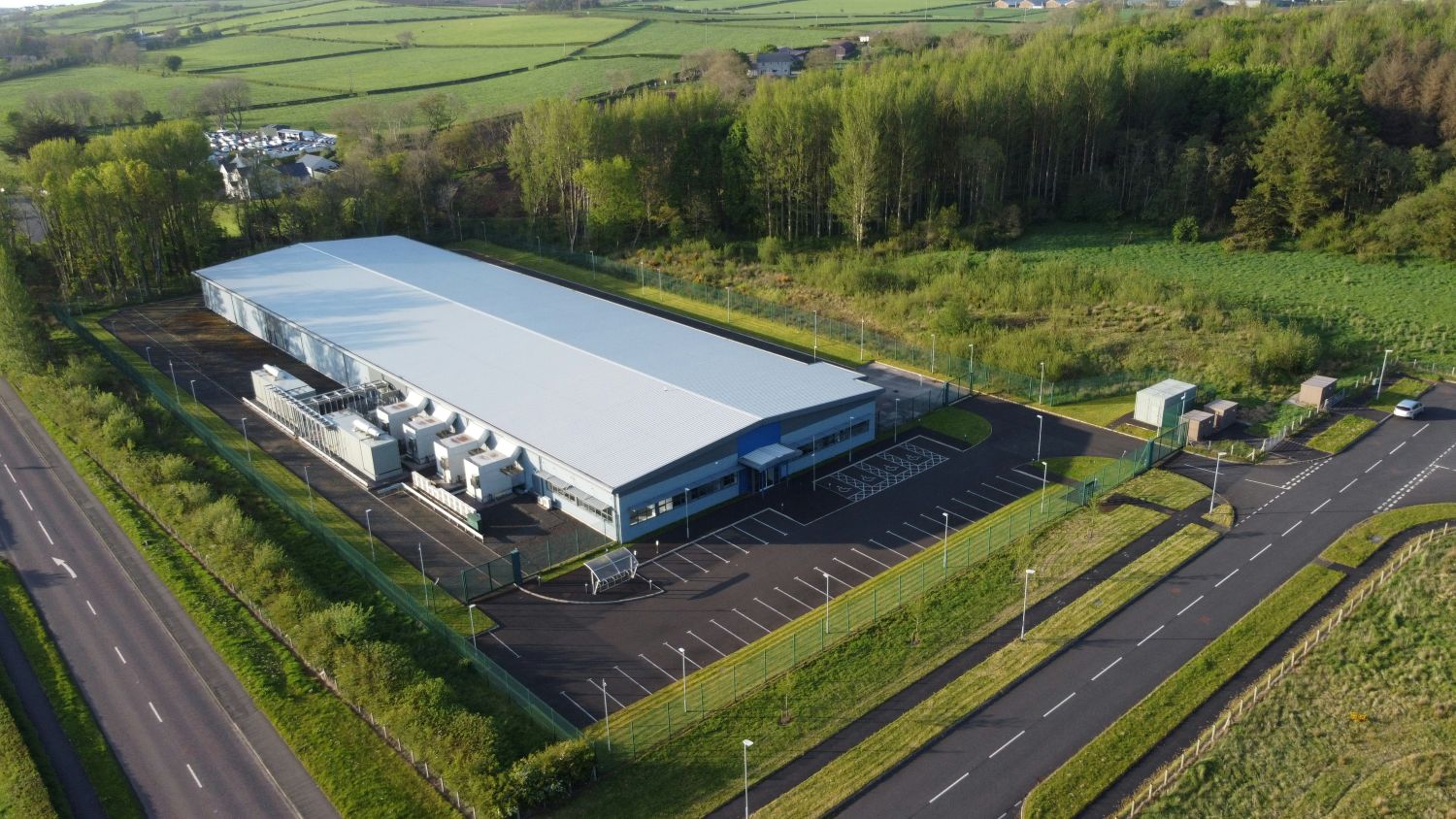
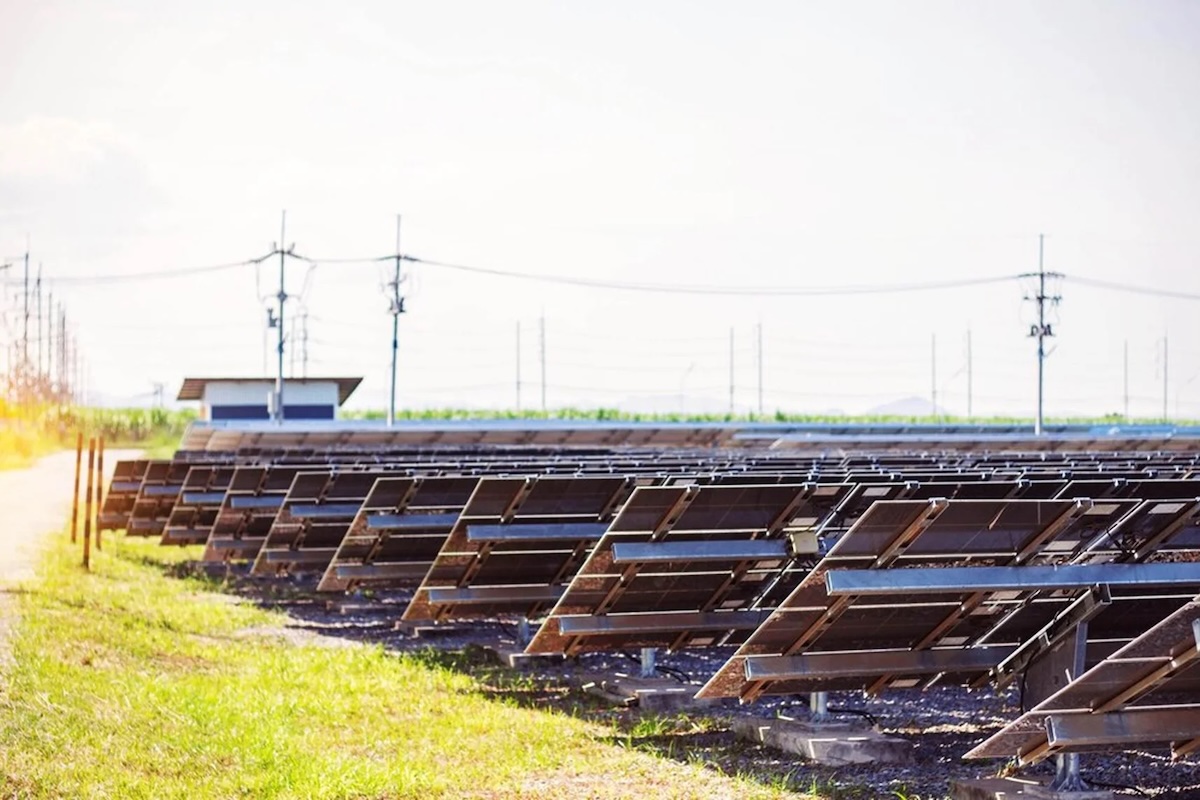
Brazil’s data center boom is relatively small in respect to global development. But in Latin America, it’s the undisputed leader for both pace of development and computing power.
Generation Investment Management is betting on the market for its potential in powering surging global data and AI infrastructure with renewable energy (for context, see “AI data centers tackle the sustainable energy challenge“).
“Brazil’s clean, abundant energy and rising demand for digital infrastructure make it one of the best places in the world to build a new generation of efficient data centers,” said Eduardo Mufarej of Just Climate, Generation’s investment group that focuses on carbon abatement in high-emitting industries.
Just Climate invested an undisclosed amount in Twenty Four Seven Data Centers, a São Paulo-based data center developer and operator founded by private equity firm Arch Capital.
“We are investing to help it scale a platform that meets demand with a fraction of the carbon footprint of most leading hubs,” said Mufarej. Kinea Investimentos also backed Twenty Four Seven through several of its managed funds.
Last year, Just Climate acquired Mufarej’s former firm, São Paulo-based Good Karma Partners, to spearhead its Latin America strategy. Good Karma focuses on early-growth companies in climate, health, and education.
Green operations
Brazil is a growing destination for data center development largely because supply in the US and Europe can’t keep pace with demand. “What makes it special is that new demand on the grid is met largely by renewables, so putting this capacity here rather than somewhere else – powershoring – can meaningfully drive climate impact,” said Mufarej.
Twenty Four Seven is developing its first sites in and around São Paulo, which hosts the largest concentration of data centers in the country.
The company has negotiated agreements for 150 megawatts of power to fuel the sites, and is incorporating “closed-loop cooling systems” to reduce water consumption.