Climate adaptation solutions are as essential as mitigation solutions, as last week’s extreme heatwave in Europe made clear.
“Adaptation and resilience have never been more front and center in the climate conversation. People are realizing the urgency,” said Maelis Carraro of Catalyst Fund, an Africa-focused adaptation tech fund.
Carraro’s firm this week closed $30 million for its first fund to support and de-risk early-stage climate innovations in Africa.
The fund, which launched in 2022, is structured for generous de-risking to encourage commercial investors to invest, and offers generous hands-on support to portfolio companies that are in the early-stages of proving their technologies and commercialization potential.
Its interim close drew participation from the International Finance Corp., African agriculture-focused FASA, the Shell and Trafigura foundations, Speedinvest, BlinkCV and high net-worth individuals. FSD Africa and Cisco Foundation are Catalyst’s anchor investors.
The fundraising goal is $40 million.
From Africa for everyone
Adaptation finance amounts to just $64 billion annually, out of $2 trillion in total global climate finance commitments. At London Climate Action Week last month, Carrero took note of investors’ recognition that relevant climate innovations are increasingly coming out of African markets and other emerging economies.
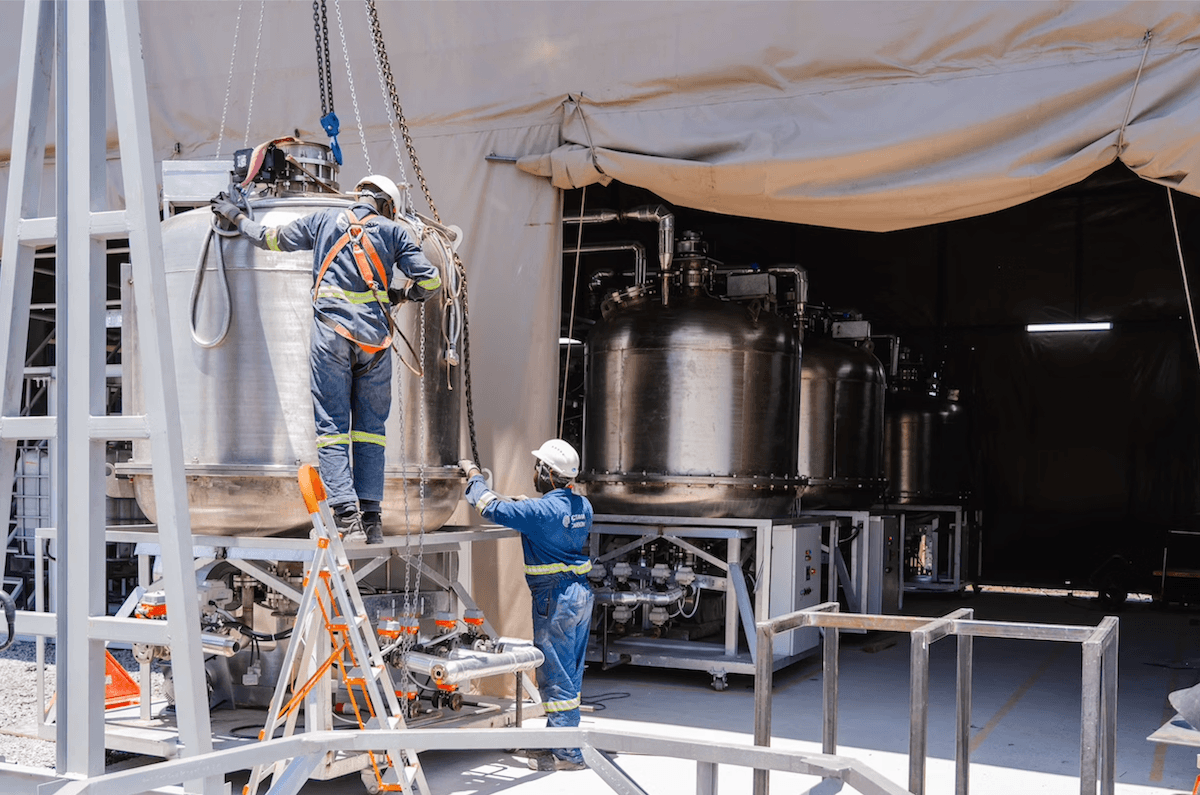
For example: one Catalyst portfolio company, the Nairobi-based direct air capture startup Octavia Carbon, was one of 16 winners announced last week from Tencent’s CarbonX program. A grant will support its pilot projects in Kenya.
Octavia’s team said the award was “one of the most significant endorsements yet of [Kenya’s] emergence as a global direct air capture hub.”
Added Carrero, “It tells you that these solutions have global impact.”
Risk awareness
Catalyst was born out of BFA Global’s impact accelerator program to plug an equity gap for promising climate adaptation innovations. The fund has three tranches: a senior equity layer and two junior equity layers.
“Upside is shared with all investors,” Carrero told ImpactAlpha, but the junior B layer, anchored by Shell Foundation and FASA, takes the most risk. There’s a 6% hurdle for the senior and junior A layers and 3% for junior B.
Several investors, including development finance institutions, have put money into more than one tranche.
Carrero said investors have a greater understanding today of the blended finance and technical assistance required for new climate innovations to succeed.
“It was a lot harder to explain a couple years ago. It’s now more understood that these solutions are not just critically underfunded, they’re critically under-supported,” she said.
Investors are carving out separate funding streams for technical assistance, she added. “There’s more innovation in the funding landscape.”