
The Bureau of Labor Statistics just reported that inflation hit 4.2% over the past 12 months, the highest in three years. Look inside the number and you find that energy accounted for more than 60% of the monthly increase, with gasoline up 40.5% from a year ago. Strip out food and energy, where the price of oil is felt most, and the core rate sits at 2.9%, drifting toward the Federal Reserve’s target. The American economy is not generating this level of inflation. It is importing it — by the barrel.
The trigger was the Iran war that led to the closure of the Strait of Hormuz, a shipping lane 7,000 miles away. This one geopolitical event added more than a percentage point (half of the fed’s target) to what every household and every company in this country now pays for nearly everything.
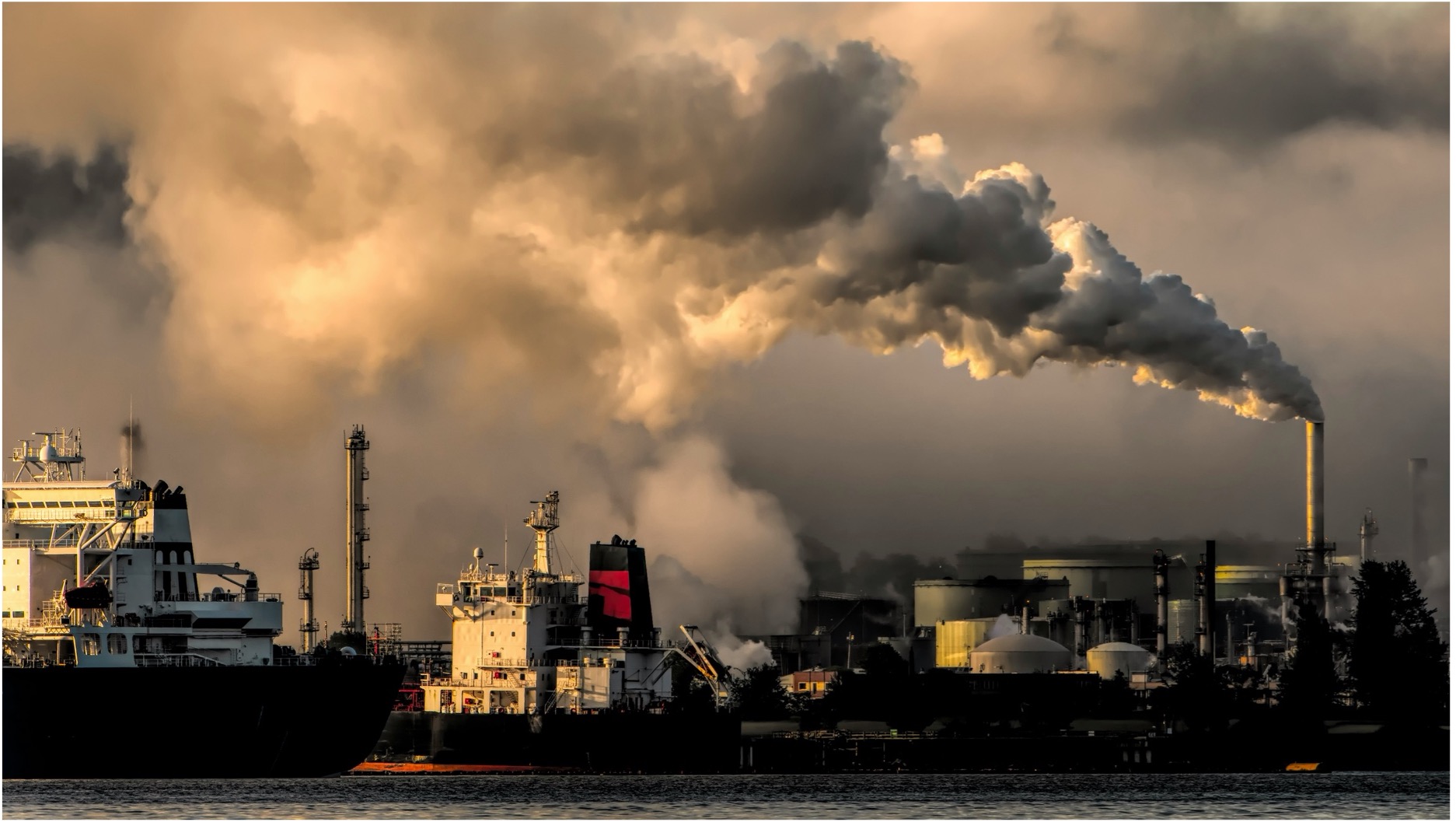
At As You Sow we call this fossilflation, and the only surprising thing about fossilflation is that anyone is surprised. The Arab oil embargo of 1973 produced the worst inflation post-WWII. The Iranian Revolution did it again in 1979. Iraq’s invasion of Kuwait did it in 1990, and Russia’s invasion of Ukraine did it in 2022, when crude jumped from $80 to nearly $125 a barrel in six months and set off the inflation that has dominated monetary policy ever since. Five decades, five conflicts, one underlying reason why. Oil goes vertical, inflation follows, and the Fed reaches for the only tool it has, increasing the interest rate.
That tool cannot fix this. Raising interest rates does not reopen a strait or pull crude out of the Permian faster. What higher rates do is raise the cost of capital for every company in America, suppress consumer spending, and stall expansion plans, all in the service of fighting an inflation source that monetary policy cannot reach. When the Fed holds rates higher for longer because of an oil shock, every CEO pays for a vulnerability that has nothing to do with their business.
China imports about 74% of its oil, which on paper makes it the most exposed economy on earth to the shock we just absorbed. Beijing looked at that exposure and spent a decade engineering its way out.
Meanwhile, China now meets essentially all of its incremental electricity demand with non-fossil generation, electric and hybrid vehicles have exceeded half of new passenger car sales for months running, and in 2024 Chinese oil demand fell for the first time in twenty years. This is not being woke. It is hedging, on a national scale, and when this oil shock works its way through the global economy, China will feel it less than we do.
Investors saw this coming, and we did something about it. For more than thirty years, shareholders representing trillions in assets have engaged the oil and gas majors directly, filing shareholder resolutions asking them to measure their transition risk, set emissions targets, and re-deploy capital toward clean, home-grown energy sources that would protect future profits, along with returns for pensioners and 401(k) holders whose retirements are invested in these companies. This is what responsible fiduciaries do when management is steering toward a cliff.
For CEOs and investors, the lesson of this morning’s report is that none of this is abstract. Every quarter this continues, your cost of capital, your input costs, and your customers’ wallets remain hostage to the next blockade or invasion. The political entities blocking the exit are protecting fossil fuel companies at the expense of every other company in the economy.
The next CPI report arrives July 14, and unless something changes in the Persian Gulf it will tell the same story. We can treat each oil shock as an act of God, or we can finally read five decades of data correctly. America does not have an inflation problem. It has an oil problem, and the people profiting from it are spending heavily to make sure we never fix it.
Andrew Behar is the CEO of As You Sow.
Guest posts on ImpactAlpha represent the opinions of their authors and do not necessarily reflect the views of ImpactAlpha.