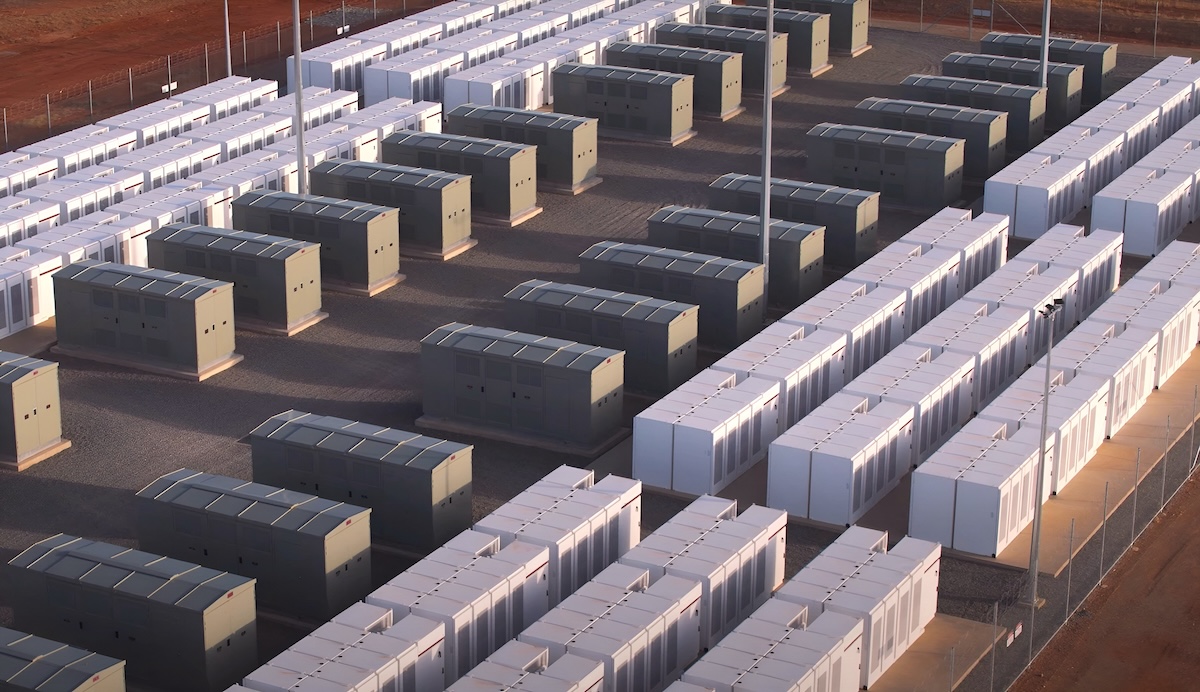

The 500 megawatt Devilla battery energy storage project in Scotland is expected to be one of Europe’s largest energy storage projects, helping to store surplus from wind-generated sources in Scotland.
Copenhagen Infrastructure Partners, which is developing the site to support renewable energy integration and grid stability, agreed to sell a minority stake in the project to the UK-based Nuclear Liabilities Fund and Scottish National Investment Bank (the Nuclear Liabilities Fund was launched to meet the costs of decommissioning eight nuclear power stations, six of which are in England and two in Scotland).
“The delivery of Devilla, alongside CIP’s Coalburn one and two projects, will improve the UK’s energy security and reduce costs for British consumers through enhanced system flexibility and access to more low-cost renewables,” said CIP’s Nischal Agarwal.
Grid integration
Renewable energy capacity is expected to double between now and 2030. However, grid limitations in integrating that power drove curtailment levels by around 55% in 2024.
Devilla is one of three projects that Copenhagen Infrastructure Partners is constructing to store and supply the grid with up to three gigawatt hours of electricity. The firm had secured $1.5 billion earlier this year for its second green credit fund to support the development of renewable energy infrastructure.