With the Strait of Hormuz closed, European countries have been confronting their second energy crisis since Russia invaded Ukraine four years ago. UK-based Rivan is among a boom of startups developing alternative fuel sources that could be both greener than fossil fuels and produced locally, reducing the need for fuel imports.
Rivan is making synthetic, carbon-neutral natural gas that can be piped into existing gas grid infrastructure, displacing the need for traditional natural gas.
The company this week raised £25 million ($34 million) in a funding round led by IQ Capital, with support from existing investor Plural and new backers including Fundomo and three angel investors. The money will be used to build one of Europe’s largest synthetic natural gas plants, double its staff and open a new production facility in London.
“Rivan is proving that it is possible to create cost-competitive synthetic natural gas at scale,” said IQ Capital’s Jonno Evans. “It is clear that Europe requires more resilient, secure and clean energy supplies and Rivan’s technology is a critical component in delivering that.”
The round brings the two-year-old company’s total funding to $46 million.
Water and sunlight
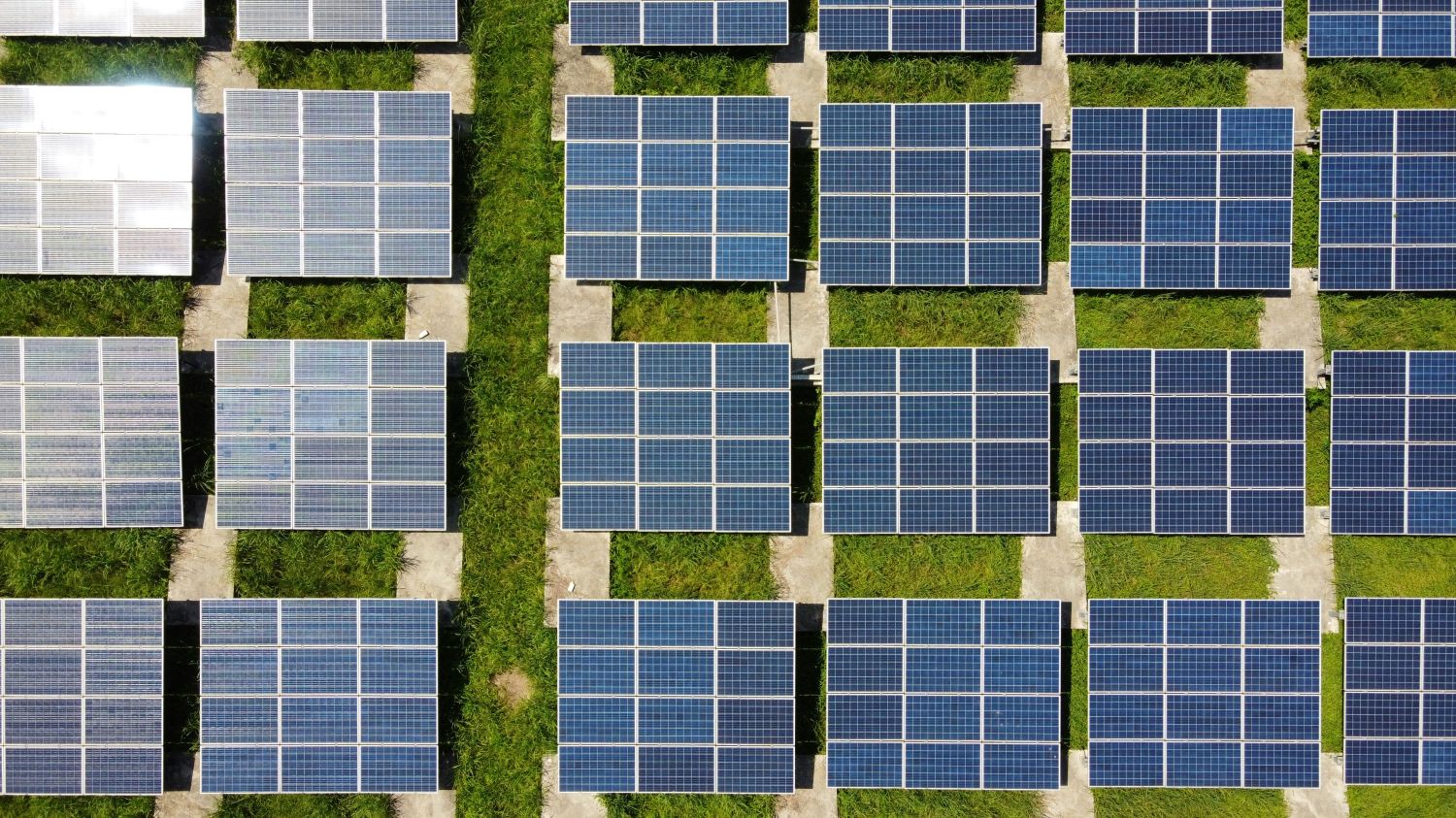
Rivan’s technology uses solar energy to produce green hydrogen from water via electrolysis. It also captures CO2 from the air, and combines the two products together reactor to form a synthetic natural gas that is carbon neutral. Each cubic meter of the gas could displace close to two kilograms of standard natural gas.
Rivan says it’s aiming for fuel replacement in hard-to-abate industries such as steel, cement, chemicals and aviation, which generate just over a fifth of global carbon emissions.
The company has already advanced from a pilot project to one fully operational plant. Earlier this month, Rivan teamed up with Wales & West Utilities to deliver the UK’s first synthetic natural gas project directly connected to the British gas network in the county of Wiltshire.
Cost competitive
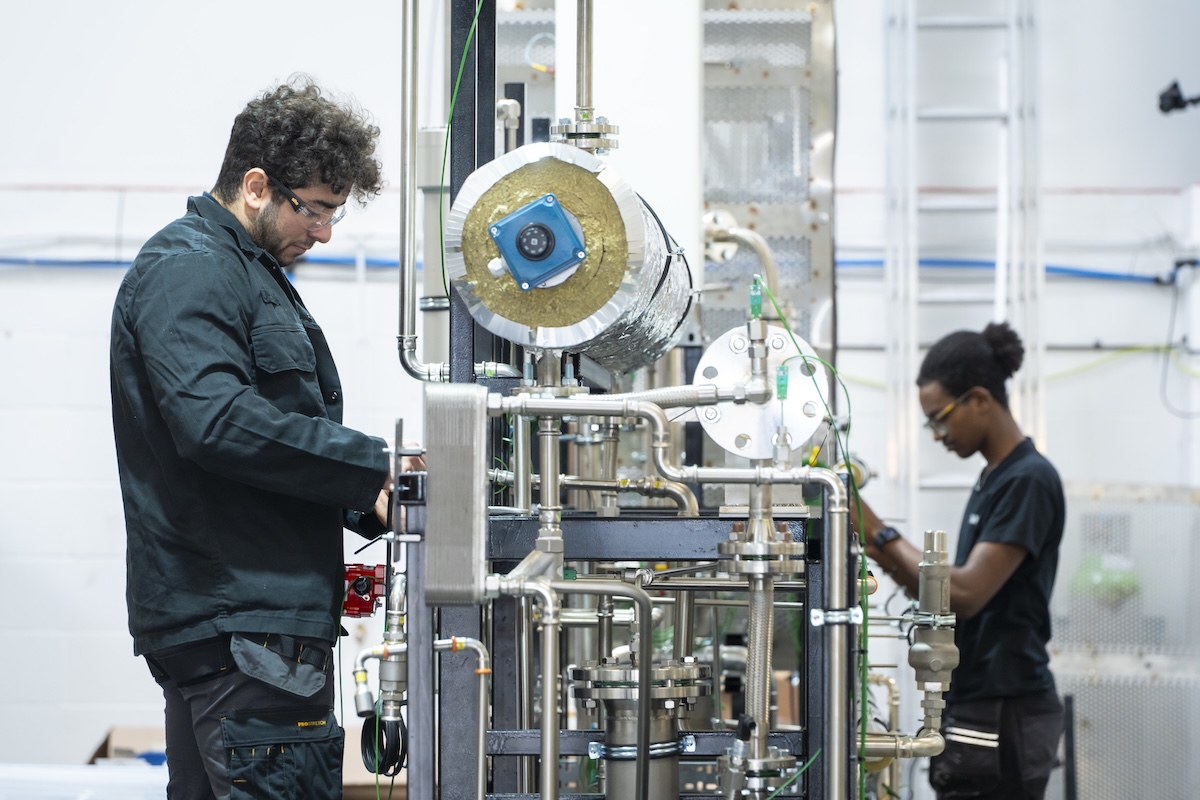
Technologies for turning renewable resources into alternative fuels have been held back by high costs. Rivan says it keeps costs down by designing and manufacturing its plants in the UK.
“By vertically integrating the entire process and manufacturing entirely in-house, we can enable domestic production of synthetic fuels at a scale and price that can make a dent in Europe’s energy security plan,” said Rivan’s Harvey Dodd.
It’s goal is to annually generate up to 20% of UK industrial demand, one billion cubic meters of synthetic natural gas, by 2036.
“Producing synthetic fuel has historically been constrained by cost, complexity and scale. Rivan has made rapid progress in addressing each of these, moving from first principles through to a functioning system with early commercial validation,” said Plural’s Taavet Hinrikus. “That combination of scientific progress, engineering execution and early traction is rare, and puts Harvey and the team in a strong position to build a new category of domestic energy production.”