Shareholder advocacy is facing a defining moment.
Over the past year, actions by the Securities and Exchange Commission have introduced new barriers to participation in the proxy process—limiting who can file resolutions, restricting the use of exempt solicitations on EDGAR, and signaling a broader retreat from corporate disclosure requirements. Many shareholders are feeling a chill.
Let’s be clear: the fundamental tenet of capitalism has not changed.
When you own a share of a company, you own a piece of that enterprise. And with that ownership comes a basic property right—the right to ask questions about material risks and opportunities that affect long-term value. That right is not granted by regulators. It is inherent in ownership itself.
This year is no different from the past 22 years of Proxy Preview. Shareholders are once again stepping forward—boldly, thoughtfully, and persistently—to raise the most important questions of our time. Taken together, these proposals capture the zeitgeist of the market: what investors see coming, what risks they are pricing in, what opportunities they are urging companies to seize, and which management teams and boards or directors value the relationships with their investors – the very people they report to.
As always, risk and opportunity sit at the center.
Artificial intelligence is emerging as both. The rapid expansion of data centers is driving unprecedented demand for energy, with implications for utilities, infrastructure and emissions. At the same time, AI systems—largely unregulated—are already demonstrating real-world harms, particularly for young people, raising questions about oversight, accountability and long-term liability.
Similarly, social media and Big Tech face mounting scrutiny. Companies like Meta and Google are confronting thousands of lawsuits alleging that addictive platform design has caused harm to children as young as 10, 11 and 12. These are not abstract concerns—they are material risks with financial, legal and reputational consequences.
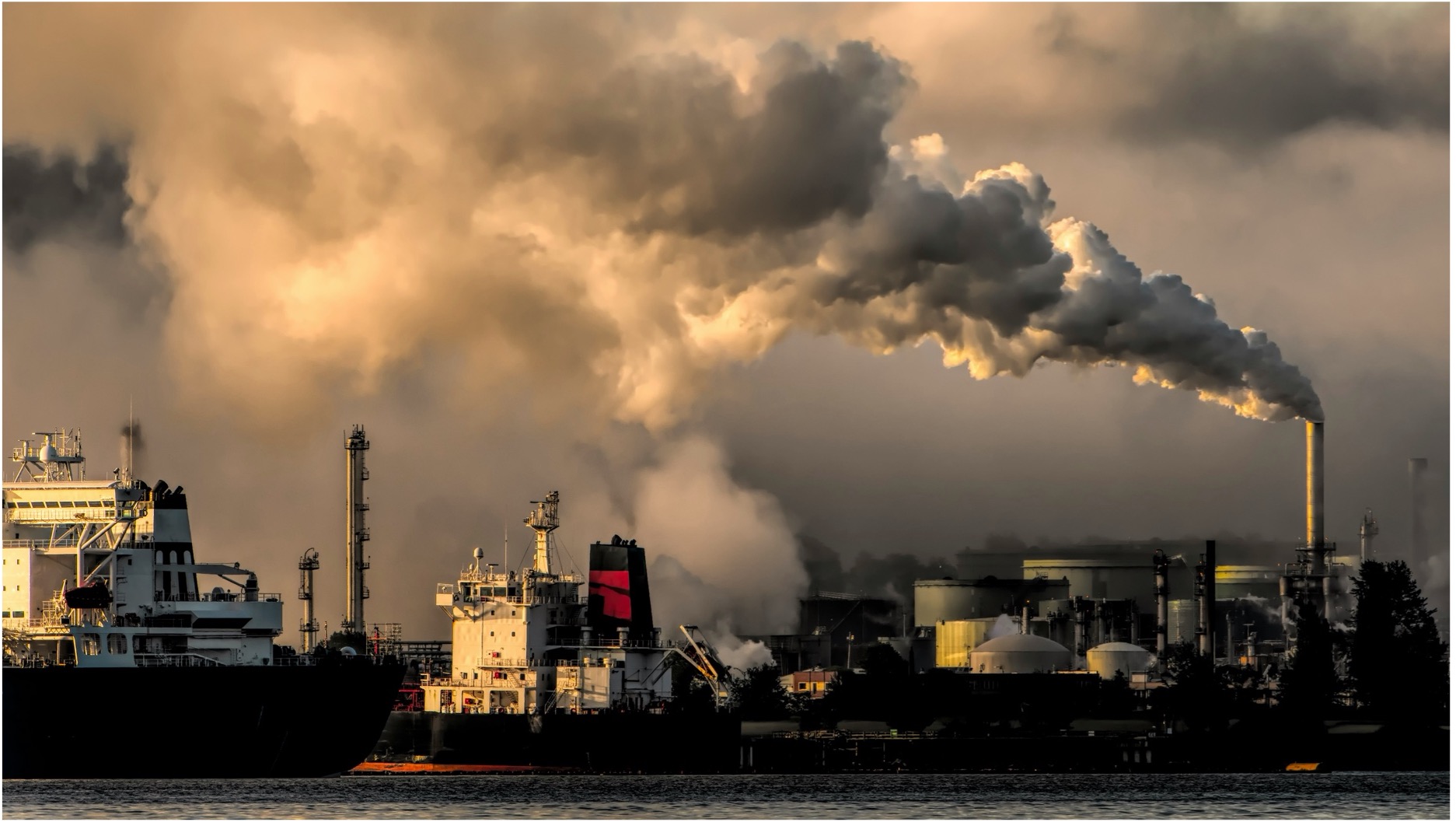
Climate change remains a systemic and accelerating threat. From disrupted supply chains to volatile commodity inputs, companies across every sector are facing growing exposure. Shareholders continue to ask for robust disclosure and credible strategies to manage these risks.
We also see continued focus on corporate political spending, biodiversity loss—from deforestation to deep-sea mining—and the enduring impacts of systemic injustice. These are not separate issues; they are interconnected drivers of long-term value and stability.
And yet, even as these risks grow clearer, the mechanisms for shareholder dialogue are being constrained.
This tension defines the moment in which we seek and need more information while regulators close their eyes, ears, and minds so that publicly traded companies can act like private equity with no oversight. What could go wrong?
We are navigating a period of turbulence as the economy transitions—from a Milton Friedman model of extraction to a Joseph Stiglitz vision of a regenerative, inclusive system. These shifts are never smooth. Resistance is inevitable.
Shareholders are not retreating. We are standing shoulder to shoulder. We remain the best early warning system that corporations have. We have a steady hand on the tiller. And we understand our role as the midwives of this transformation.
We will remain steadfast. We will remain tenacious. And we will continue to engage the companies we own—guiding them toward a future that is more transparent, more resilient and ultimately more valuable for all.
Andrew Behar is the CEO of As You Sow