A year after the Environmental Protection Agency blocked funding for the federal Greenhouse Gas Reduction Fund, local funders are responding with alternative strategies to reduce energy bills and improve health in rural, tribal and low-income communities.
The $27 billion “GGRF” program was intended to catalyze financing for projects that reduce emissions related to buildings, transportation and distributed energy through awards to nonprofit financial intermediaries (e.g., green banks, community development financial institutions–CDFIs) and governmental entities. Community lenders are leveraging what they learned through the GGRF planning process to ramp up impact investments in sustainable community development projects. The experience offers insights on the market potential and what comes next for the field.
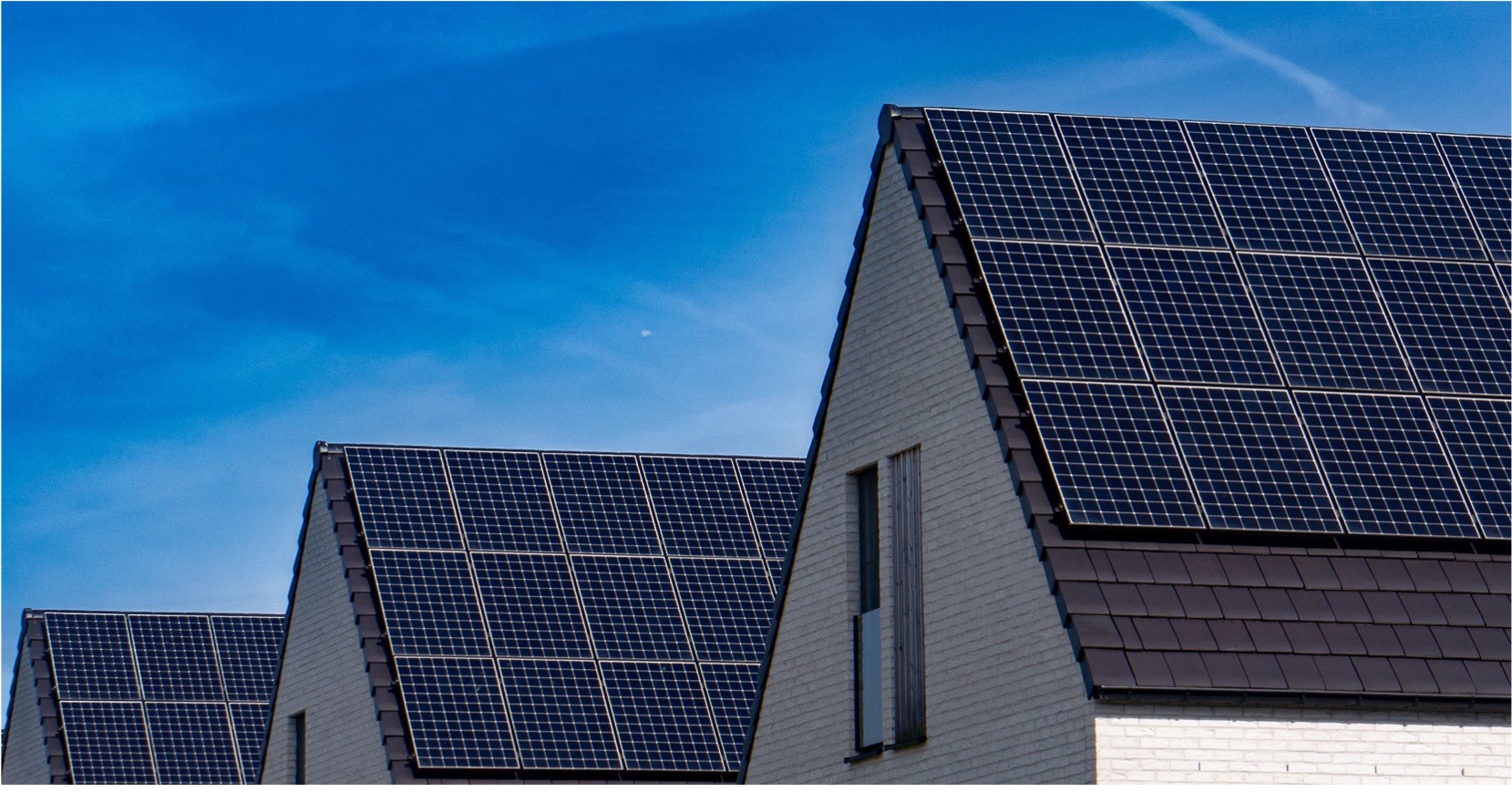
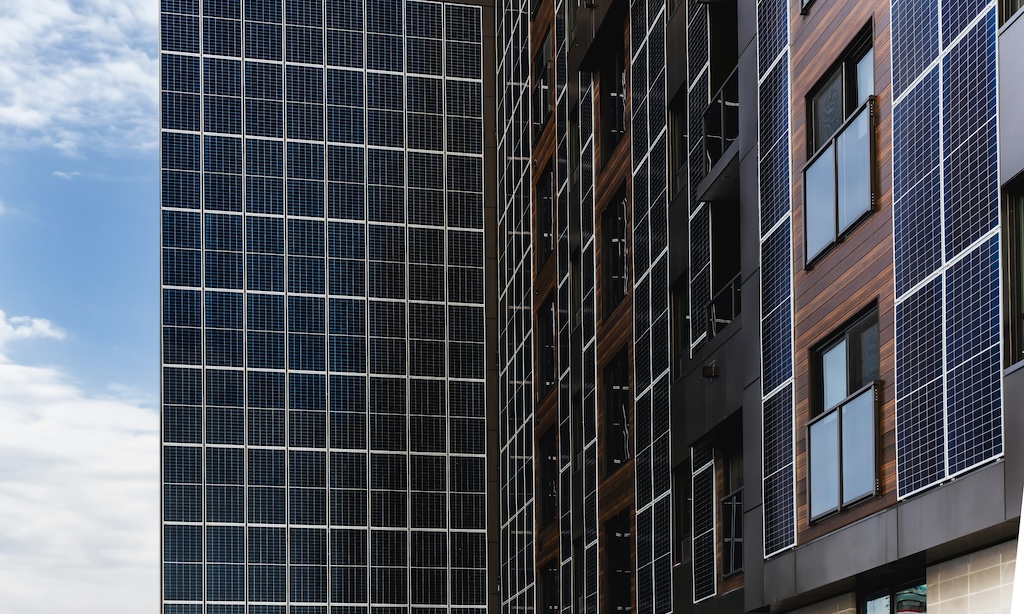
The nonprofit CDFI that I work for, the Local Initiatives Support Corporation, or LISC, is a member of Power Forward Communities. This coalition of nonprofits was awarded $2 billion in GGRF funding to improve the affordability of housing through sustainable energy investments, like solar and heat pumps. Alongside Enterprise Community Partners, we focused our GGRF implementation plans on reducing utility burdens and operating expenses for affordable housing, particularly through sustainable building standards.
This month, LISC announced $100 million in financing over the next three years to support sustainability, on top of our nearly $3 billion in existing annual housing grants and investments. And we are not alone. Other GGRF awardees are pursuing similar commitments as a way to maintain the momentum of the program, fuel affordability and support economic growth. For those of us deeply engaged in this work, current disruptions do not overshadow the market’s appetite for low-cost, sustainable capital.
Strong market demand
The clear takeaway from early GGRF outreach efforts is that affordable housing developers are equipped to absorb significant amounts of sustainable capital. How can we be sure? LISC and Enterprise Community Partners jointly opened up an “interest portal” early this year for developers to submit projects for GGRF funding, and we were overwhelmed by the immense demand — with $1 billion in proposals for sustainable affordable housing projects. Even before the portal opened, LISC was already reviewing more than $150 million in viable projects for our first year of GGRF funding.
The strong demand defied our expectations. We assumed developers and owners would need technical assistance to scope out high-performance building projects and efficiency retrofits that were economically viable. Instead, we found many were ready to immediately move forward with sustainability measures as part of their plans to enhance affordability and improve housing conditions for the residents and communities they serve. The response reinforces the enormous value of this work.
Within the strong market demand, we also saw discrepancies. For example, 80% of our early $150 million pipeline was made up of projects sponsored by larger, more sophisticated developers. Smaller community-based developers and owners were simply not present.
This gap is particularly significant for the small cities and rural towns that smaller, community-based developers serve and for the development capacity of grass-roots organizations. There is a clear need to prioritize technical assistance to these organizations — including building energy audits and other resources — so all can access the health and affordability benefits of clean and sustainable housing.
Real-world messaging
Too often, conversations around sustainable investing fail to communicate the practical benefits for residents and communities. While emissions reductions, decarbonization, systems change and grid transformation are critically important, they aren’t what motivates widespread support. As we move forward, those of us keen to generate community gains need to communicate the real-world benefits for a project, such as utility savings and health improvements for residents.
For example, a project in Iowa proposed to convert an historic hotel into 63 units of affordable housing in an area where 55% of renters were housing cost-burdened. Local households had sizable energy cost burdens as well, paying as much as 10% of their incomes for utilities. The project, now stalled due to the pullback in federal funding, would have created much-needed affordable housing units with lower utility expenses, leveraging energy efficiencies such as high-efficiency heat pump systems that would have been financed as part of the project.
In the face of these challenges, we are focused on three sustainability priorities:
- Expand access to healthy, energy-efficient, affordable housing. As part of our support for community-based organizations — especially those working to expand opportunity in disadvantaged communities — we are connecting developers to the technical knowledge and financing they need to engineer and retrofit high-performance affordable housing buildings. The goal is to moderate utility expenses through high-efficiency improvements, improve health and access renewable energy sources like solar. We will also look to integrate broadband access to new sustainable technologies (e.g. renewable energy, web-enabled appliances) so that low-income homes will be equipped for the benefits of a more dynamic and interactive electrical grid.
- Develop and deepen collaborations. Advancing sustainability requires new partnerships across multiple sectors to be successful. For example, many local and state governments require emissions reductions or electrification. However, without coordination with other stakeholders, such as utilities, community-based organizations, developers and capital providers, there may be unintended consequences that actually raise utility costs for low-income households through mandatory electrification requirements. That’s why programs like the Los Angeles Department of Water and Power’s Comprehensive Affordable Multifamily Retrofits program are working with lenders, community-organizations and local governments to support sustainable affordable housing.
With the pullback in federal funding for affordable energy, the sector will need to stretch every dollar to achieve scale. Through collaboration, we can share resources, develop common platforms and make data widely available. For example, LISC and our affiliates are working with leading national affordable housing entities to identify and respond to shared needs, like creating a data platform to facilitate underwriting standards and impact metrics. We are partnering with a wide range of organizations, including green banks and non-profit solar developers, philanthropic organizations like Waverly Street Foundation, and commercial financial institutions such as Fifth Third Bank. The bank is providing financial solutions and capital deployment models to address energy affordability, sustainable infrastructure and resiliency needs of communities as part of its plan to deploy $100 billion in sustainable finance by 2030.
- Build a body of work to demonstrate benefits. LISC’s $100 million commitment is designed to enhance 2,500 units of affordable housing so they are healthier, have more reliable energy and achieve lower utility expenses. Alongside financing, we bring the experience acquired to reduce lending risk, benchmark underwriting and encourage greater adoption by developers and owners to integrate sustainability into affordable housing. By doing a high volume of lending, we simply get better and more efficient, which allows us to scale this work and reach more homes. We also want to build grass-roots support from community members who can see the benefits and can advocate for healthy, energy-efficient housing.
There is a clear bottom line in this work: If we don’t invest for the long-term in sustainability, housing will be more expensive to own, rent and operate, which is not what we want to see during a national affordable housing crisis. It will take the continued engagement of impact investors, foundations, banks, local government, utilities and other motivated investors to enhance affordability and community well-being for many years to come.
John Moon is senior vice president at the Local Initiatives Support Corporation.
Guest posts on ImpactAlpha represent the opinions of their authors and do not necessarily reflect the views of ImpactAlpha.